Dreaming of that perfect, crispy pizza crust right from your home oven or grill? The secret weapon many professional pizzerias use can be yours: the humble yet mighty pizza stone. Specifically, the 12 Pizza Stone is a versatile, must-have tool for any home baker looking to elevate their pizza game from good to absolutely glorious. This guide will dive deep into everything you need to know about harnessing the power of a 12 pizza stone to consistently achieve those sought-after, restaurant-quality results, ensuring every bite is a delightful crunch.
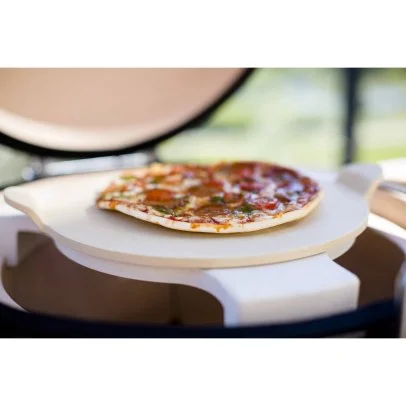
The Secret Behind the 12 Pizza Stone’s Magic
Have you ever wondered why pizzeria pizza just hits different? A major part of it is the extreme heat and direct contact with a hot surface. A 12 pizza stone replicates this environment, transforming your home appliance into a mini pizza oven.
What Makes a Pizza Stone Special?
At its core, a pizza stone is a porous slab, typically made from ceramic or cordierite, designed to absorb and radiate intense heat. This porosity is key; it draws moisture away from your pizza dough as it cooks, directly preventing that dreaded soggy bottom. Imagine a sponge, but for heat and moisture, working tirelessly to give you a light, airy, and exquisitely crispy crust. The stone also holds onto heat incredibly well, ensuring a consistent high temperature that cooks your pizza rapidly and evenly, mimicking a brick oven.
Why a 12-Inch Stone? The Perfect Size for Most Home Bakers
While pizza stones come in various shapes and sizes, a 12 pizza stone, whether round or rectangular, strikes an ideal balance. It’s large enough to accommodate a standard personal to medium-sized pizza, which is perfect for most individual servings or small family meals. Its dimensions also mean it fits comfortably in the majority of home ovens and many outdoor grills, making it a practical choice without requiring special equipment or oversized spaces. For many, it’s the gateway to authentic pizza making.
Exploring Your Options: Types of 12 Pizza Stones
Understanding the material of your 12 pizza stone is crucial, as each offers distinct advantages for your baking adventures.
Cordierite Pizza Stones: The Durable Workhorse
Many experienced pizza makers swear by cordierite stones, and for good reason. This material, often used in kiln shelves, boasts exceptional thermal shock resistance, meaning it can withstand rapid temperature changes without cracking—a common pitfall for other materials. Cordierite stones can handle extremely high temperatures (often up to 1450°F or 787°C) and distribute heat remarkably evenly. This durability makes a cordierite 12 pizza stone an excellent long-term investment for frequent use.
Ceramic Pizza Stones: Classic and Effective
Ceramic pizza stones are the traditional choice and still a fantastic option. They conduct heat well, leading to consistently crisp crusts. While slightly more prone to thermal shock than cordierite, good quality ceramic stones, when cared for properly, can last for years. They are excellent at absorbing moisture, making them superb for achieving that desired dry, crunchy base. When choosing a ceramic 12 pizza stone, look for thicker models, as they tend to retain heat better and be more robust.
Your Step-by-Step Guide to Using a 12 Pizza Stone
Getting the most out of your 12 pizza stone is straightforward once you know the basics.
Preheating is Key: Don’t Rush It!
This is perhaps the most critical step. Place your cold 12 pizza stone on the bottom or middle rack of your oven before you turn it on. Gradually bringing the stone up to temperature prevents thermal shock. Preheat your oven to its highest setting (typically 450-550°F or 230-290°C) and let the stone preheat for at least 30-60 minutes after the oven reaches temperature. This ensures the stone is saturated with heat, ready to instantly crisp your pizza crust. If using a grill, place the stone on the grates and preheat the grill to the desired high temperature for about 30 minutes.
Preparing Your Dough for the Stone
While your 12 pizza stone heats up, prepare your pizza. Stretch your dough to your desired thickness and add your toppings. Lightly dust the bottom of your pizza dough or your pizza peel with flour, semolina, or cornmeal. This creates a barrier that prevents the dough from sticking to the peel and helps it slide smoothly onto the scorching hot stone.
Transferring and Baking Your Masterpiece
Once your oven and 12 pizza stone are screaming hot, carefully slide your prepared pizza from the peel onto the center of the stone. A swift, confident motion is best. Close the oven or grill lid immediately to retain heat. Most pizzas will cook in 8-15 minutes, depending on the oven temperature, dough thickness, and desired crispness. Keep an eye on it! Look for a golden-brown crust and bubbling cheese.
For those eager to equip their kitchen with the best tools, considering a high-quality 12 pizza stone along with a sturdy pizza peel can transform your home pizza experience.
|
Our Picks for the Best Pizza Stone in 2026
As an Amazon Associate I earn from qualifying purchases.
|
||
| Num | Product | Action |
|---|---|---|
| 1 | Unicook Pizza Stone, Heavy Duty Cordierite Pizza Pan for Oven and Grill, Thermal Shock Resistant Baking Stone for Bread, 15 X 12 Inch Rectangular, 6.8 lbs |

|
| 2 | HANS GRILL PIZZA STONE - Circular Pizza Stone For Oven Baking & BBQ Grilling With Free Wooden Peel - Extra Large Round 15\" Inches Diameter (38CM) Durable Cordierite Cooking Stone. |
|
| 3 | 5 PCS Round Pizza Stone Set, 13\" Pizza Stone for Oven and Grill with Pizza Peel(OAK),Serving Rack, Pizza Cutter & 10pcs Cooking Paper for Free, Baking Stone for Pizza, Bread |
|
| 4 | 4 PCS Rectangle Pizza Stone Set, 15\" Large Pizza Stone for Oven and Grill with Pizza Peel(OAK), Pizza Cutter & 10pcs Cooking Paper for Free, Baking Stone for Pizza, Bread,BBQ |
|
| 5 | Large Pizza Stone for Oven 16 inch - Round Pizza Stone for Grill with Handles, Wood Pizza Peel and Cutter Set - Baking Stone for Bread - Pizza Making Kit Accessories - Gifts for Food Lovers |
|
| 6 | Pizza Stone 15x12 Inch Rectangular, Cordierite Baking Stone for Oven Grill BBQ, Crack Resistant with 4 Built-in Handles for Crispy Crust Bread Cookies |
|
| 7 | Hans Grill Pizza Stone PRO XL Baking Stone For Pizzas use in Oven, Grill or BBQ FREE Long Handled Anodised Aluminium Pizza Peel - Rectangular Stone 15 x 12\" Inches - For Pies, Pastry, Bread, Calzone |
|
| 8 | Old Stone Round Pizza Stone, 16-Inch |
|
| 9 | Nuwave Heavy-Duty Cordierite Pizza & Baking Stone, Heat Resistant up to 1472°F, Great for Indoor Electric Ovens, Outdoor Gas, Wood Fire Grills, BBQ Grilling, & Nuwave Bravo XL, Fits Most Frozen Pizzas |
|
| 10 | HANS GRILL PIZZA STONE - Rectangular Pizza Stone For Oven Baking & BBQ Grilling With Free Wooden Peel - Extra Large 15 x 12\" Inch Durable Cordierite Cooking Stone. |
|
Pro Tips for a Pizzeria-Quality Crust with Your 12 Pizza Stone
Beyond the basics, a few expert tips can further perfect your pizza craft.
Achieving Maximum Crispness
The true magic of a 12 pizza stone lies in its ability to create an incredibly crispy crust. To maximize this, ensure your stone is thoroughly preheated. Avoid overloading your pizza with toppings, as excessive moisture can make the crust soggy. A thinner dough also helps achieve a crisper result.
Beyond Pizza: Baking Other Delights
Don’t relegate your 12 pizza stone solely to pizza duty! Its heat-retaining and moisture-absorbing properties make it excellent for baking a variety of other items. Think artisan breads with a beautifully crisp bottom, flaky croissants, homemade focaccia, or even reheating leftover pizza for a revitalized, non-soggy slice. Some even use it for baking cookies, biscuits, and tortillas, finding that it provides a superior, evenly cooked base.
Temperature Management for Best Results
Consistent, high heat is your friend. Avoid opening the oven door too frequently, as this causes temperature fluctuations. If baking multiple pizzas, allow your 12 pizza stone a few minutes to reheat between pies to maintain optimal performance. For outdoor grilling, ensure your grill maintains a steady, high temperature throughout the cooking process.
Caring for Your 12 Pizza Stone: Longevity and Performance
Proper care ensures your 12 pizza stone remains a faithful kitchen companion for years to come.
Cleaning Without Soap: The Golden Rule
Never, ever use soap or detergent on your pizza stone. Its porous nature means it will absorb the soap, which can then leach into your food, imparting an unpleasant taste. Instead, once the stone has completely cooled, use a stiff brush or metal scraper to remove any burnt-on food bits. For stubborn spots, a damp cloth can be used, followed by thorough drying. Discoloration and charring are normal and contribute to the stone’s seasoning and performance, so don’t strive for a perfectly clean appearance.
Cooling Down Safely
Just as you preheat your 12 pizza stone gradually, it’s crucial to let it cool down slowly and naturally. Never plunge a hot stone into cold water or place it on a cold surface immediately after use. Rapid temperature changes can cause thermal shock, leading to cracks. Allow the stone to cool completely inside the oven or on a wire rack at room temperature before handling or cleaning.
What to Avoid
To ensure the longevity of your 12 pizza stone, avoid putting it in the dishwasher. Do not cut pizza directly on the stone, as this can damage the surface and dull your knives. Also, avoid using your pizza stone under a broiler or over an open flame (unless it’s specifically designed for outdoor grill use and can handle direct flame contact), as extreme direct heat can cause it to crack.
Frequently Asked Questions About the 12 Pizza Stone
Q1: How long does a 12 pizza stone take to preheat?
A: A 12 pizza stone typically needs to preheat for at least 30-60 minutes after your oven reaches its maximum desired temperature (usually 450-550°F or 230-290°C). This ensures the stone is fully saturated with heat.
Q2: Can I use my 12 pizza stone on a grill?
A: Yes, many 12 pizza stones, especially cordierite ones, are designed for grill use. Place the stone on the grill grates and preheat the grill to a high temperature for about 30 minutes before transferring your pizza.
Q3: Why is my pizza crust soggy on a pizza stone?
A: A soggy crust often results from insufficient preheating of the 12 pizza stone, too much moisture in the dough or toppings, or the oven temperature being too low. Ensure the stone is scorching hot and avoid overloading your pizza.
Q4: Should I oil or season my 12 pizza stone?
A: No, you should never oil or season a porous pizza stone. Oil will likely smoke and burn, creating an unpleasant odor and potentially damaging the stone. The stone naturally seasons itself over time with use.
Q5: How do I remove burnt-on food from my pizza stone?
A: Once the 12 pizza stone has cooled completely, use a stiff brush, a plastic scraper, or a metal spatula to scrape off any burnt-on food debris. You can use a damp cloth for stubborn areas, but avoid soap.
Conclusion
The 12 pizza stone is more than just a kitchen gadget; it’s an investment in countless delicious, crispy-crusted homemade pizzas and other baked goods. By understanding its materials, mastering the art of preheating, and adhering to simple care routines, you unlock the potential to create pizzeria-quality results in your own home. So go ahead, dust off that peel, ignite your culinary passion, and let your 12 pizza stone transform your baking experience. The perfect crust awaits!