There’s nothing quite like the irresistible aroma of a freshly baked pizza, its crust perfectly crisp and its toppings bubbling with cheesy goodness. While replicating that authentic pizzeria experience at home might seem like a culinary Everest, the secret weapon for many home chefs lies in a humble yet mighty tool: the pizza stone. This essential piece of kitchen gear is designed to transform your ordinary oven into a pizza-making powerhouse, delivering results that will consistently impress. Forget soggy bottoms and unevenly cooked crusts; with a pizza stone, you’re not just baking pizza, you’re crafting an experience.
From casual Friday night dinners to lively backyard gatherings, a pizza stone is your ticket to stepping up your pizza game. It’s more than just a surface to cook on; it’s a conduit to perfection, mimicking the intense, even heat of a traditional brick oven. Let’s dive deep into the world of the pizza stone, uncovering its history, various types, and the insider tips to mastering its use for truly extraordinary homemade pies.
The Ancestry of the Crispy Crust: A Brief History of the Pizza Stone
The concept behind the pizza stone isn’t new. For centuries, traditional pizzerias have relied on wood-fired ovens with hot, porous floors made of brick or stone. This intense, direct heat is crucial for rapidly cooking the dough, creating that signature blistered, chewy-crisp crust that’s so hard to achieve in a conventional home oven. The modern pizza stone brings this ancient wisdom into your kitchen, providing a similar high-heat surface that quickly draws moisture from the dough and ensures even baking. It’s a testament to timeless culinary principles, adapted for contemporary convenience.
Discovering Your Perfect Match: Popular Pizza Stone Types and Their Characteristics
When you’re ready to choose a pizza stone, you’ll find a variety of materials, each with its own strengths and nuances. Understanding these differences can help you select the best pizza stone for your baking style and kitchen habits.
Cordierite Pizza Stones
Cordierite is often hailed as the gold standard for pizza stones, and for good reason. Made from a mineral that’s sintered in high-temperature kilns, cordierite is incredibly durable and boasts exceptional thermal shock resistance. This means it can handle rapid temperature changes without cracking, a common downfall for other materials. It retains heat remarkably well and its porous nature helps to efficiently pull moisture from the dough, resulting in an impeccably crispy crust. While they might be a bit more of an investment, their longevity and performance make them a favorite among serious home bakers.
Ceramic and Clay Pizza Stones
These are perhaps the most classic and widely recognized types of pizza stones. Typically made from various clays, ceramic stones heat up evenly and are excellent at conducting and retaining heat, which is vital for achieving a consistently cooked crust. They are generally lighter than other materials, making them easier to handle. However, ceramic stones are more susceptible to thermal shock and can crack if not handled properly, such as being placed in a preheated oven or exposed to cold water when hot. They are usually more economical, offering a great entry point into pizza stone ownership.
Cast Iron Pizza Pans
While technically not a “stone,” cast iron pizza pans offer similar benefits and are a robust alternative. Cast iron is an exceptional conductor of heat, heating up quickly and maintaining high temperatures. These pans are incredibly durable, virtually indestructible, and versatile enough for use on the stove, in the oven, or on the grill. They often feature a lip, which can be both a benefit (keeping ingredients contained) and a drawback (making it slightly harder to slide a pizza on and off). With proper seasoning and care, a cast iron pizza pan can last for generations.
Baking Steels
For those seeking the ultimate crispy crust and blistering, a baking steel might be your ideal companion. Made from thick, heavy-gauge steel, these are superior heat conductors, heating up much faster and transferring heat to the crust more efficiently than traditional stones. This allows for an incredibly crisp crust, often at slightly lower temperatures or in less time. Baking steels are practically indestructible and won’t crack from thermal shock. Their primary downsides are their considerable weight and higher price point, but for unparalleled results, many find them worth every penny.
Soapstone Pizza Stones
Less common but equally effective, soapstone pizza stones are crafted from a naturally porous material. Like cordierite, soapstone excels at wicking away excess moisture from the dough, ensuring a beautifully crispy pizza crust. They also offer excellent heat retention and are known for their natural non-stick properties once seasoned.
Mastering the Art: A Detailed Guide on How to Use a Pizza Stone
Using a pizza stone properly is key to unlocking its full potential. Follow these steps to achieve pizzeria-quality pies right in your home oven:
- Start Cold: Always place your pizza stone in a cold oven. Never put a cold stone into an already hot oven, as the sudden temperature change can cause thermal shock and crack your stone.
- Preheat Thoroughly: Place the stone on the lowest or middle rack. Then, preheat your oven to the highest possible temperature, typically 500-550°F (260-290°C). Crucially, allow the stone to preheat for at least 30-60 minutes after the oven has reached its set temperature. This ensures the stone is uniformly scorching hot, ready to deliver that initial burst of heat to your dough.
- Prepare Your Pizza: While the stone heats, assemble your pizza. For easy transfer, dust your pizza peel generously with cornmeal or rice flour. This acts as tiny ball bearings, helping the dough slide smoothly. Avoid using regular flour, as it can burn too quickly.
- The Perfect Launch: With your oven and stone screaming hot, carefully slide your pizza from the peel directly onto the center of the preheated pizza stone. A quick, confident motion is best to prevent the pizza from sticking.
- Bake to Perfection: Close the oven door quickly to maintain heat. Bake your pizza for approximately 5-12 minutes, or until the crust is golden brown, bubbly, and the cheese is melted and lightly caramelized. Keep an eye on it, as cooking times can vary.
- Cool Down and Store: Once baked, use your pizza peel to carefully remove the pizza. Let the stone cool completely in the oven before attempting to clean or move it. Handling a hot stone is not only dangerous but can also lead to thermal shock if exposed to cooler air or water too quickly. Many enthusiasts simply leave their pizza stone in the oven permanently, where it can also help regulate oven temperature and absorb moisture, even when not making pizza.
Insider Secrets: Tips and Tricks for Making Perfect Pizza
Beyond the basic steps, a few expert tips can elevate your pizza stone experience:
- Don’t Rush the Preheat: Patience is a virtue here. A truly hot stone is the foundation of a great crust.
- The Cornmeal Trick: Don’t underestimate the power of cornmeal on your peel. It’s your best friend for a seamless launch.
- Avoid Overloading: Too many toppings can weigh down your pizza and make it difficult to transfer and cook evenly. Less is often more.
- Rotate if Needed: If your oven has hot spots, you might need to carefully rotate your pizza halfway through baking for an even cook.
- Experiment with Dough: Different dough recipes will yield different results. From thin and crispy to thick and chewy, find what you love.
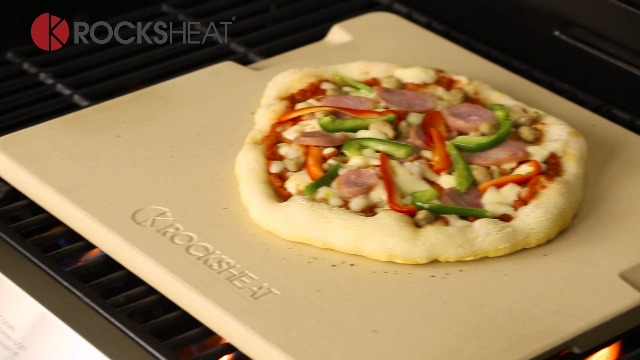
- Consider a Grill: Many pizza stones are grill-safe, offering an alternative way to achieve even higher temperatures and a smoky flavor for your pizza.
- Beyond Pizza: Your pizza stone isn’t just for pizza! Use it to bake artisan breads, cookies, flatbreads, or even to reheat leftovers for a wonderfully crisp texture.
The Transformative Benefits of Using a Pizza Stone for Homemade Pizza
Why go through the “trouble” of using a pizza stone? The benefits are clear and profoundly impact the quality of your homemade pizza:
- Crispier Crusts: This is the most celebrated benefit. The stone’s high, even heat rapidly cooks the dough from below, extracting moisture and creating that coveted crispy, blistered crust akin to a professional brick oven.
- Even Cooking: A pizza stone absorbs and distributes heat uniformly across its surface, eliminating hot spots that can lead to unevenly baked pizzas—think burnt edges and raw centers.
- Reduced Cooking Time: The intense, direct heat transfer from the preheated stone means your pizza cooks much faster than on a cold metal pan, contributing to a better crust and perfectly melted toppings.
- Mimics Brick Oven Effect: It truly brings that authentic pizzeria taste and texture to your home kitchen.
- Superior Heat Retention: Ideal for pizza parties, the stone retains heat effectively, allowing you to cook multiple pizzas in succession without significant temperature drops.
- Versatility: Beyond pizza, it’s excellent for baking bread, pastries, and other items that benefit from a strong, even heat from below.
“A good pizza stone isn’t just a kitchen tool; it’s an investment in countless delicious moments,” says Chef Isabella Rossi, a renowned Italian culinary expert. “The way it transforms a simple dough into a masterpiece with a perfectly crisp bottom and airy crumb is truly magic.”
Preserving Your Investment: How to Store and Care for Your Pizza Stone
To ensure your pizza stone lasts for years of delicious pizza-making, proper care is crucial:
- Cool Completely: Always allow your pizza stone to cool down completely in the oven before cleaning or moving it. This prevents thermal shock.
- Scrape, Don’t Scrub: Once cool, use a stiff brush or a plastic scraper (metal can scratch some surfaces) to remove any stuck-on food or residue.
- No Soap, Ever: This is perhaps the most important rule. Pizza stones are porous and will absorb soap or detergent, which will then leach into your pizza, leaving an unpleasant soapy taste. Avoid soap at all costs.
- Minimal Water: If absolutely necessary for tough stains, you can use a damp cloth and warm water, but avoid submerging the stone in water. Ensure it’s thoroughly air-dried for several hours, or even placed in a warm oven for a bit, before its next use to prevent cracking from trapped moisture.
- Stains are Character: Don’t worry about stains or discoloration—they are natural byproducts of use and won’t affect the flavor or performance of your stone. Consider them a badge of honor for many pizzas well made.
- No Seasoning Needed: Unlike cast iron, most pizza stones do not require seasoning with oil. Adding oil can cause smoking or burning during preheating.
- Store in the Oven: Many people choose to store their pizza stone permanently in the oven. This not only keeps it out of the way but also helps to regulate oven temperature and prevent thermal shock by ensuring it’s always at oven temperature when in use.
Frequently Asked Questions About Pizza Stones
Do I really need a pizza stone?
If you’re serious about making homemade pizza with a genuinely crispy, evenly cooked crust that rivals your favorite pizzeria, then yes, a pizza stone is a game-changer. It provides the intense, direct heat needed to achieve that perfect result.
How hot should my oven be for using a pizza stone?
Aim for the highest temperature your oven can reach, typically between 500°F (260°C) and 550°F (290°C). Remember to preheat the stone for at least 30-60 minutes after the oven reaches temperature.
Can I use my pizza stone on a grill?
Many cordierite and steel pizza stones are safe for use on outdoor grills, allowing for even higher cooking temperatures and a slightly smoky flavor. Always check the manufacturer’s instructions.
Why did my pizza stone crack?
Cracking is almost always due to thermal shock—sudden and drastic changes in temperature. This happens if a cold stone is placed in a hot oven, if cold food (like a frozen pizza) is placed on a hot stone, or if a hot stone is exposed to cold water.
How do I clean a pizza stone with stubborn stains?
For tough, stuck-on food, scrape it off with a plastic scraper or stiff brush. You can try making a paste with baking soda and a tiny bit of water, applying it, letting it sit, then scraping. Rinse sparingly with warm water and ensure it’s completely dry before reuse. Never use soap.
Can I use parchment paper on a pizza stone?
Yes, you can use parchment paper to help with transfer and prevent sticking or staining. Just be sure to trim any excess paper that might burn in a very hot oven.
Is a pizza stone better than a baking steel?
Both are excellent, but they have subtle differences. Baking steels conduct heat more rapidly and can achieve an incredibly crisp crust, sometimes even faster. Pizza stones, especially cordierite, offer great heat retention and moisture absorption, mimicking a traditional brick oven’s floor. The “best” depends on personal preference and desired crust texture.
Unleash Your Inner Pizzaiolo
The journey to perfect homemade pizza is an exciting one, and the pizza stone is your trusted companion on this culinary adventure. By understanding its materials, mastering its use, and committing to proper care, you’ll unlock a world of crispy crusts, evenly cooked toppings, and the undeniable satisfaction of creating authentic, delicious pizzas right in your own kitchen. So, fire up that oven, grab your favorite toppings, and get ready to transform your home pizza nights from good to absolutely glorious. Your taste buds—and your guests—will thank you!