For any home chef dreaming of crafting pizzeria-quality pizzas, a pizza stone is more than just a kitchen accessory—it’s a game-changer. Imagine a crust that’s perfectly crisp, a base that’s cooked through without being soggy, and flavors that sing with every bite. That’s the magic a high-quality pizza stone brings to your kitchen. It transforms your standard oven into a super-hot brick oven, mimicking the professional touch that makes all the difference. Get ready to elevate your pizza game with these 18 essential insights into mastering the art of the pizza stone.
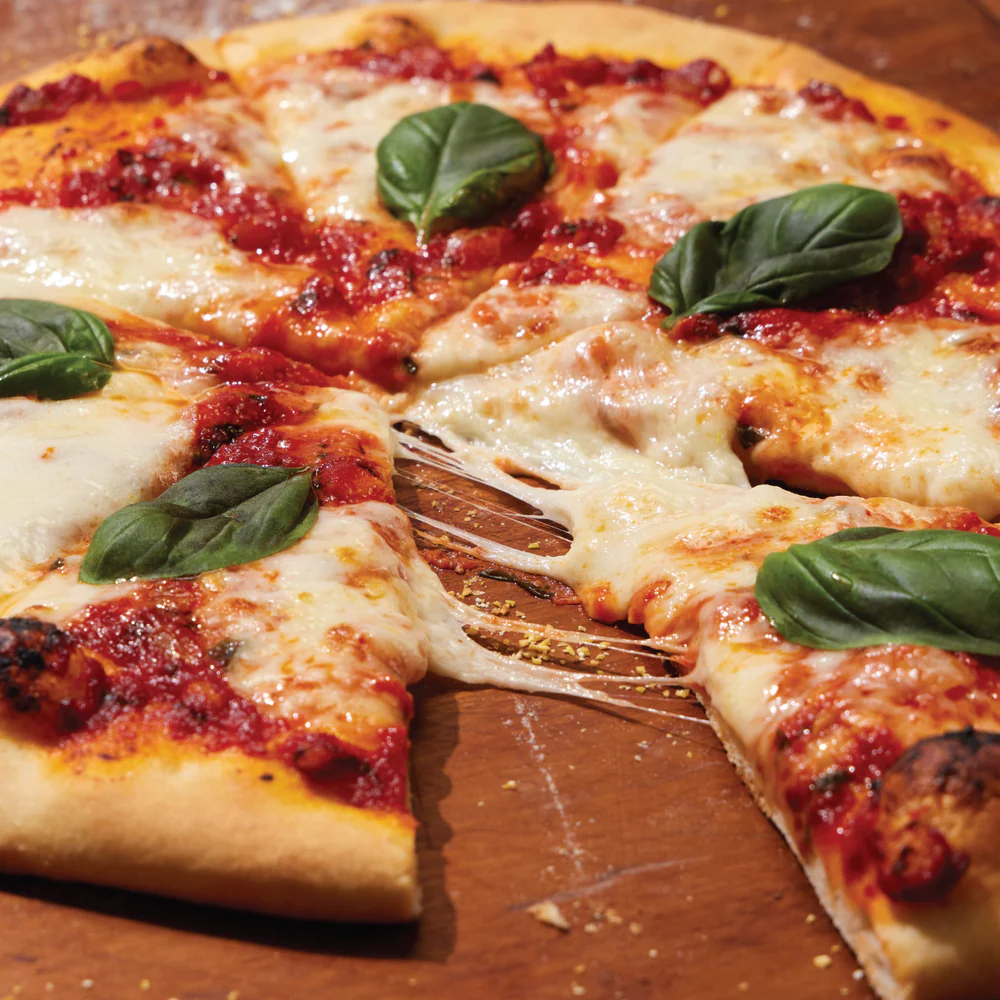
What Exactly is a Pizza Stone? (And Why You Need One)
A pizza stone is a thick slab, typically made of ceramic, cordierite, or even cast iron or steel, designed to be preheated in your oven. Its primary function is to absorb and retain heat, then transfer that intense, even heat directly to your pizza dough. This rapid heat transfer is crucial for achieving that coveted crispy crust and perfectly cooked toppings, something a regular baking sheet simply cannot replicate. The versatile pizza stone transforms your home oven into a pizzeria-grade cooking environment, delivering crispy crusts and perfectly cooked pizzas every time.
The Ancestral Roots: A Brief History of Baking on Stone
The concept of baking on hot stones isn’t new; it’s ancient. For millennia, cultures across the globe have cooked flatbreads, meats, and vegetables directly on heated rocks or in stone hearths. From the earliest forms of flatbread to the rustic pizzas of Naples, the principle remained the same: direct, intense heat from a porous surface creates superior results. Modern pizza stones bring this age-old technique into our kitchens, allowing us to connect with this rich culinary heritage.
Decoding the Materials: Types of Pizza Stones
Understanding the different materials available for a pizza stone is key to choosing the right one for your cooking style and budget. Each material offers distinct advantages.
Ceramic Pizza Stones
These are the most traditional and often the most affordable. Ceramic stones are porous, absorbing moisture from the dough to create a crispier crust. They retain heat well, but are more susceptible to thermal shock, meaning sudden temperature changes can cause them to crack.
Cordierite Pizza Stones
Cordierite is a mineral known for its excellent thermal shock resistance, making it more durable and less prone to cracking than ceramic. It also heats up quickly and maintains a consistent temperature, making it a popular choice for serious home pizzaiolos.
Pizza Steels
While not technically a “stone,” pizza steels are a fantastic alternative. Made from thick carbon steel, they conduct heat much more efficiently than stone, resulting in an even crispier crust and faster cook times. They are virtually indestructible and perform exceptionally well, especially for Neapolitan-style pizzas that require extreme heat.
Cast Iron Pizza Pans/Stones
Cast iron offers incredible heat retention and durability. These “stones” often come as a pan, providing a lip that makes launching and retrieving easier. They require seasoning, similar to other cast iron cookware, but offer a robust and versatile option for pizza and other baked goods.
Choosing Your Perfect Match: Size, Shape, and Thickness
When selecting a pizza stone, consider your oven and your pizza habits. Most ovens accommodate a 14-inch or 16-inch round stone, or a rectangular stone that fits on the bottom rack. A common search query often refers to an 18 Pizza Stone, which implies either a very large stone for commercial ovens or a robust list of options. Ensure your stone leaves enough space for air circulation around it in the oven. Thicker stones (¾ inch or more) generally retain heat better and are more durable, though they take longer to preheat.
The Art of Preheating: Getting Your Stone Ready
Preheating is arguably the most crucial step. A pizza stone needs to be scorching hot to work effectively. Place your stone on the middle or lower rack of a cold oven, then preheat to the highest temperature your oven can reach (typically 450-550°F or 230-290°C). Allow at least 45 minutes to an hour for the stone to fully heat up and stabilize at temperature. Don’t rush this step—it’s what gives your pizza its incredible crust.
Launching Your Masterpiece: Tips for a Seamless Slide
Getting your pizza onto the hot stone without mishap is a skill. Use a pizza peel dusted generously with cornmeal or semolina flour. This creates tiny ball bearings that help the pizza slide off smoothly. Work quickly when topping your pizza on the peel to prevent the dough from sticking. Practice makes perfect, so don’t be discouraged if your first few launches aren’t flawless.
Cooking to Perfection: Temperature and Time
Once launched, keep a close eye on your pizza. Cooking times will vary depending on your oven’s temperature, the thickness of your dough, and your toppings. Generally, a thin-crust pizza will cook in 5-8 minutes, while thicker crusts might take 10-15 minutes. Look for a bubbling cheese, browned crust edges, and a firm, crisp base. You can usually tell by lifting an edge with your peel.
Beyond Pizza: Other Uses for Your Versatile Stone
Your pizza stone isn’t a one-trick pony. Its ability to retain and distribute heat makes it excellent for baking other items:
- Artisan Bread: Achieve beautiful, crispy crusts on homemade loaves.
- Focaccia: Get a perfectly golden, chewy base.
- Cookies/Biscuits: Bake them evenly from the bottom up.
- Reheating Leftovers: Especially pizza! It revives slices with a fresh, crispy texture.
The Golden Rules of Care: Longevity and Performance
Proper care extends the life of your pizza stone and ensures consistent performance.
Cooling Down Slowly
Always let your pizza stone cool completely in the oven before removing it. Rapid temperature changes can cause thermal shock, leading to cracks, especially in ceramic stones.
Cleaning Without Soap
Never use soap on a porous pizza stone. Soap can soak into the material and impart unwanted flavors to your next pizza. Instead, use a stiff brush or metal scraper to remove any stuck-on food. For stubborn stains, you can use a damp cloth, then bake the stone in a clean oven for an hour to dry and sterilize it.
Embrace the Patina
Your pizza stone will naturally darken and develop a seasoned patina over time. This is a sign of a well-loved and well-used stone, and it actually improves its non-stick properties and performance. Don’t try to scrub it back to its original appearance.
Troubleshooting Common Woes: Cracks, Sticking, and Uneven Cooking
Even experienced home cooks encounter issues. Here’s how to tackle them:
- Cracks: Often due to thermal shock. Prevent by preheating and cooling slowly.
- Sticking: Not enough cornmeal on the peel, or too slow a launch. Ensure adequate dusting and swift movement.
- Uneven Cooking: Could be an oven hot spot or uneven stone heating. Rotate your pizza halfway through, or extend preheating time.
Expert Insights: Elevating Your Pizza Game
“The secret to a truly great homemade pizza isn’t just about the dough or the toppings; it’s about the intense, dry heat a pizza stone provides. It’s that immediate ‘shock’ to the base that creates the perfect crispness you can’t get any other way,” explains Chef Enzo Rossi, a celebrated pizzaiolo and culinary instructor. “Many overlook the importance of a properly preheated stone, but it’s the foundation of incredible pizza.”
18 Essential Pizza Stone Hacks and Wisdom Nuggets
To truly master your pizza stone experience, here are 18 crucial pieces of advice and wisdom:
- Always Preheat Thoroughly: Don’t cut corners on preheating time. A minimum of 45-60 minutes at maximum oven temperature is key.
- Start from a Cold Oven: Place the stone in a cold oven to prevent thermal shock.
- Choose the Right Material: Ceramic for traditional crisp, cordierite for durability, steel for ultimate crispness, and cast iron for versatility.
- Size Matters: Ensure your stone fits your oven with a few inches of clearance on all sides for air circulation.
- Use a Pizza Peel: An absolute necessity for launching and retrieving pizzas safely.
- Dust with Semolina/Cornmeal: This provides a frictionless surface for pizza transfer.
- Work Quickly on the Peel: Minimize the time your dough sits on the peel to prevent sticking.
- Don’t Overload Toppings: Excessive moisture from toppings can lead to a soggy crust.
- Avoid Frozen Pizzas Directly: Thaw them first, or place them on parchment paper to prevent shocking the stone.
- Never Use Soap: It will absorb into porous stones and taint future meals.
- Scrape, Don’t Scrub Aggressively: Use a metal scraper or stiff brush for cleaning.
- Embrace the Dark Patina: It’s a sign of a well-used, well-seasoned stone and enhances performance.
- Cool Completely in Oven: Protect your stone from thermal shock by letting it cool naturally.
- Elevate Your Stone: Some stones come with feet or racks; ensure good airflow around it.
- Consider a Steel for Neapolitan: If you chase blistering, leopard-spotted crusts, steel is often superior.
- Practice Your Launch: It’s a skill that improves with repetition.
- Experiment with Dough Hydration: Higher hydration doughs often benefit most from intense stone heat.
- Store Safely: Keep your stone in the oven or a secure spot to prevent accidental drops or chips.
Benefits That Go Beyond the Bite: Why a Pizza Stone is a Must-Have
The advantages of using a pizza stone extend far beyond just taste. It provides a more authentic cooking experience, allowing you to replicate the high heat of a brick oven in your home. This leads to a beautifully golden, crispy crust every time, something a baking sheet simply cannot deliver. The even heat distribution prevents hot spots, ensuring your pizza cooks uniformly, from the center to the edges. It transforms your homemade pizza from good to genuinely spectacular, bringing the pizzeria experience right to your kitchen table.
Frequently Asked Questions
Q: Can I put a frozen pizza on a pizza stone?
A: It’s generally not recommended to place a frozen pizza directly onto a screaming hot pizza stone due to the risk of thermal shock, which can cause the stone to crack. If you must use a frozen pizza, it’s best to thaw it slightly or place it on parchment paper first.
Q: How do I clean a stained pizza stone?
A: For stained pizza stones, scrape off any burnt-on food with a stiff brush or metal spatula. Avoid soap entirely. For stubborn stains, a paste of baking soda and water can be applied, then gently scrubbed off. Bake the stone in a clean oven at a high temperature for an hour to dry and sanitize.
Q: Do pizza stones need to be seasoned?
A: Most ceramic and cordierite pizza stones do not need to be seasoned. However, cast iron pizza “stones” or pizza steels do benefit from seasoning, similar to other cast iron cookware, to build a non-stick surface and prevent rust.
Q: What’s the difference between a pizza stone and a pizza steel?
A: The main difference lies in material and heat conduction. Pizza stones (ceramic, cordierite) are porous and retain heat well. Pizza steels (carbon steel) conduct heat much faster and more efficiently, leading to an even crispier, often more charred crust, and are virtually indestructible.
Q: How do I prevent my pizza from sticking to the stone?
A: Ensure your pizza stone is thoroughly preheated and use a generous amount of cornmeal or semolina flour on your pizza peel before transferring the pizza. Work quickly to top and launch the pizza to prevent the dough from absorbing the dusting flour and sticking.
Q: How long should I preheat my pizza stone?
A: For optimal performance, a pizza stone should be preheated for at least 45 minutes to an hour at your oven’s highest temperature setting (typically 450-550°F or 230-290°C). This ensures the stone reaches a stable, high temperature throughout.
Conclusion
Embracing the pizza stone in your home kitchen is a journey toward culinary excellence. From understanding the nuances of different materials to mastering the art of the perfect launch and adhering to essential care practices, these 18 insights pave the way for consistently delicious, crispy-crusted pizzas. Don’t be afraid to experiment with different doughs and toppings; your pizza stone is a tool for boundless creativity. So, fire up your oven, get your dough ready, and unlock the true potential of your homemade pizza with the incredible power of your pizza stone.