The quest for the perfect homemade pizza often leads us down many culinary paths, but few are as rewarding as discovering the magic of a pizza stone. This humble kitchen tool is your secret weapon, transforming your standard home oven into a blistering hot furnace, mimicking the intense heat of a traditional brick oven. If you’ve ever dreamt of a crispy, chewy crust with that delightful char, then understanding and utilizing a pizza stone is your next great adventure. Join us as we unlock 20 essential insights for mastering your pizza stone and achieving pizza perfection every single time.
The Humble Beginnings: A Brief History of the Pizza Stone
The concept behind a pizza stone isn’t new; it’s rooted in ancient culinary practices. Long before modern ovens, people cooked directly on hot stones in hearths or primitive kilns. This method imparted a unique texture and flavor that has been cherished for centuries. The modern pizza stone brings this ancient wisdom into our contemporary kitchens, allowing us to replicate the high-heat, radiant cooking environment necessary for authentic pizza. It’s all about heat transfer and moisture absorption, two critical elements in crafting that signature crispy crust.
Understanding Your Hearth: Different Types of Pizza Stones
When it comes to choosing your pizza stone, you’ll find a few key players, each with its own characteristics. Understanding these differences is crucial for finding the right match for your pizza-making journey.
Cordierite Pizza Stones: The Workhorse
Cordierite is perhaps the most popular material for pizza stones, and for good reason. It’s incredibly durable and highly resistant to thermal shock, meaning it’s less likely to crack when exposed to rapid temperature changes. This makes it a forgiving choice for beginners. Cordierite absorbs moisture from the dough effectively, leading to a wonderfully crispy crust.
Ceramic Pizza Stones: Traditional & Reliable
Traditional ceramic or clay pizza stones have excellent heat retention properties, gradually radiating heat to bake your pizza evenly. They are often more porous than cordierite, which aids in moisture absorption. However, ceramic stones can be more susceptible to thermal shock, requiring careful handling and gradual heating and cooling to prevent cracking.
Pizza Steels: The Modern Powerhouse
For those seeking ultimate performance, a pizza steel is a game-changer. Steel conducts heat far more efficiently than stone, getting hotter faster and transferring that heat to your pizza dough with incredible speed. This results in an exceptionally crispy crust and quicker cooking times. Pizza steels are virtually indestructible and immune to thermal shock, making them a premium, albeit heavier, option.
Cast Iron Pizza Pans: Versatility in Action
While not a “stone” in the traditional sense, a cast iron pizza pan or griddle offers many of the same benefits. Cast iron excels at heat retention and distribution, creating a superb crust. Its versatility means it can be used for much more than just pizza, from searing steaks to baking bread, making it a valuable multi-purpose tool in any kitchen.
Preparing for Perfection: Getting Your Pizza Stone Ready
The secret to a great pizza isn’t just in the toppings; it starts with how you prepare your pizza stone.
First Use: Seasoning & Curing
Some new pizza stones, especially ceramic ones, may benefit from a slow, gradual “curing” process during their first few uses to help them acclimate to high heat. Follow manufacturer instructions. For pizza steels or cast iron, seasoning with oil is essential, just like any other cast iron cookware, to create a non-stick surface and prevent rust.
The Golden Rule: Preheat, Preheat, Preheat!
This is perhaps the most critical step for any pizza stone. You need to preheat your oven with the pizza stone inside for at least 30 to 60 minutes, typically at your oven’s highest temperature (500-550°F or 260-290°C). This extended preheat ensures the stone is uniformly scorching hot, ready to instantly crisp your pizza crust upon contact. Don’t rush this step; patience here pays off in crispy dividends.
Dusting for Success: Preventing Stickage
Before launching your pizza, lightly dust your pizza peel with semolina flour, cornmeal, or regular flour. This creates tiny ball bearings that allow your pizza to slide off smoothly onto the hot stone. A little goes a long way; too much can burn and make a mess.
Crafting Your Masterpiece: Using Your Pizza Stone Like a Pro
With your stone screaming hot and ready, it’s time to make some pizza!
The Art of the Launch: Getting Your Pizza On
Once your pizza is built on a lightly floured peel, position the tip of the peel just above the back edge of the pizza stone. With a quick, decisive jerk, slide the pizza off the peel and onto the stone. Practice makes perfect here! A swift motion prevents sticking and misshapen pizzas.
Optimal Cooking Temperatures and Times
Most homemade pizzas benefit from very high temperatures, usually 500-550°F (260-290°C). Cooking times will vary depending on your oven, dough thickness, and toppings, but a thin-crust pizza typically cooks in 5-10 minutes. Keep a close eye on it, rotating if necessary, until the crust is golden brown and the cheese is bubbly and slightly charred.
Rotating Your Pie: Ensuring Evenness
Ovens often have hot spots. If you notice one side of your pizza browning faster, use your peel to carefully rotate it halfway through cooking for an evenly baked pie.
Post-Bake: The Perfect Rest
Once your pizza is out of the oven, let it rest for a minute or two on a cutting board before slicing. This allows the cheese to set and prevents toppings from sliding off when you cut into it.
Elevating Your Pizza Game: 20 Pro Tips & Tricks for Pizza Stone Mastery
Here are 20 invaluable tips to ensure your pizza stone delivers truly exceptional results, every single time:
- Always Preheat Thoroughly: Don’t just wait for the oven light to go out; give it a solid 45-60 minutes at maximum heat.
- Use High-Quality Dough: A great pizza starts with great dough, whether homemade or store-bought.
- Don’t Overload Toppings: Too many toppings add moisture and weight, leading to a soggy crust. Keep it lean!
- Room Temperature Dough: Allow your dough to come to room temperature for easier stretching and a better rise.
- Use a Pizza Peel: An essential tool for safely transferring pizza to and from the hot stone.
- Dust the Peel Generously (but not excessively): Semolina or cornmeal is your friend for a smooth launch.
- Work Quickly When Launching: Hesitation can lead to a stuck pizza. Be confident!
- Avoid Cold Dough on a Hot Stone: Thermal shock can crack ceramic stones.
- Par-Bake Wet Toppings: Sauté mushrooms or onions beforehand to remove excess moisture.
- Pre-Cook Meats: Ensure sausage or bacon are cooked through before adding to the pizza.
- Don’t Forget the Sauce Barrier: A thin layer of cheese under the sauce can prevent a soggy center.
- Consider Your Cheese: Low-moisture mozzarella is ideal for even melting and browning.
- Use a Spatula or Tongs to Rotate: If you’re nervous about using the peel for rotation.
- Check the Bottom Crust: Lift the pizza with a peel to ensure the underside is perfectly browned and crispy.
- Avoid Cutting on the Stone: This can damage the stone and dull your pizza cutter.
- Let the Stone Cool Completely: Before cleaning or moving, allow the stone to return to room temperature naturally.
- Scrape, Don’t Soak (for porous stones): Use a stiff brush or scraper for stubborn bits; avoid soap for unglazed stones.
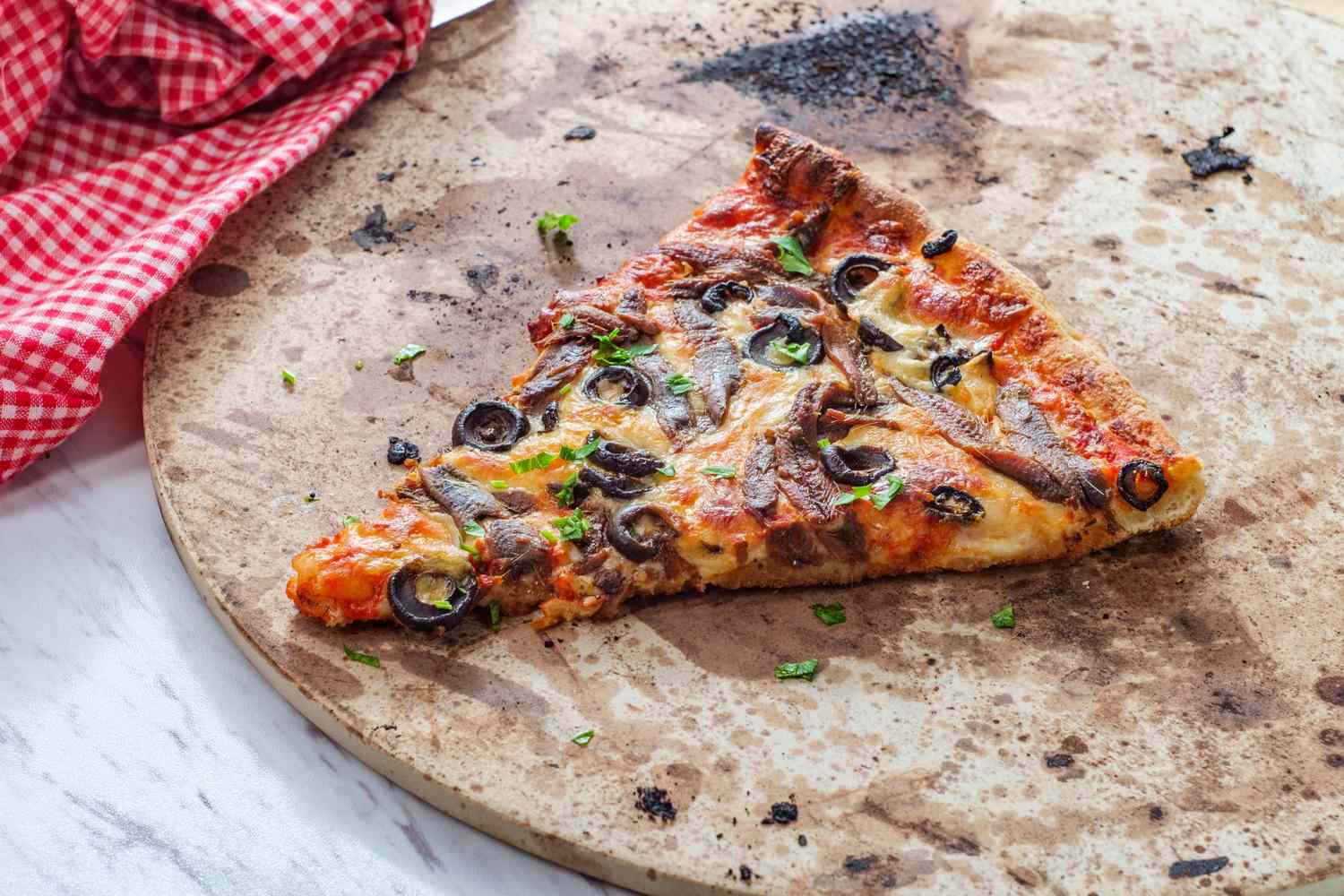
- Embrace the Patina: Discoloration and stains are normal and add character to your stone; they don’t affect performance.
- Experiment with Different Flours: Try different types of flour for your dusting to find your preference.
- Clean Your Oven Regularly: A clean oven means fewer burnt bits falling onto your stone during preheating.
“The key to incredible pizza is understanding how heat works,” says Chef Antoine Dubois, a celebrated artisan baker. “A pizza stone acts as a thermal battery, creating a burst of heat that crisps the crust almost instantly, something a standard baking sheet simply can’t achieve.”
The Undeniable Benefits of a Pizza Stone
Why go through all this trouble? The benefits of using a pizza stone are clear:
- Crispier Crust: The intense, direct heat from the preheated stone instantly cooks the bottom of the dough, creating that coveted crispy, crackly crust.
- Even Cooking: The consistent heat distribution ensures your pizza bakes uniformly, preventing soggy centers or burnt edges.
- Authentic Taste: By mimicking a brick oven, a pizza stone helps you achieve a flavor and texture that’s remarkably close to your favorite pizzeria.
- Versatility Beyond Pizza: Many pizza stones can also be used for baking bread, artisan crackers, or even reheating leftovers, giving them a new lease on life.
Longevity & Care: Maintaining Your Pizza Stone for Years of Joy
A well-cared-for pizza stone can be a lifelong companion in your culinary adventures.
Cooling Down Safely: Avoiding Thermal Shock
Always allow your pizza stone to cool completely within the oven after use. Removing a hot stone into a cooler environment can cause thermal shock, leading to cracks, especially with ceramic stones.
The Cleaning Conundrum: Scrape, Don’t Soak
For cordierite and ceramic stones, never use soap. These materials are porous and will absorb detergents, imparting soapy flavors to future pizzas. Instead, use a stiff brush, plastic scraper, or spatula to scrape off any stuck-on food. For stubborn, burnt-on bits, you can often turn the stone upside down in a hot oven during a self-cleaning cycle (check manufacturer instructions first). For pizza steels and cast iron, follow regular cast iron seasoning and cleaning procedures.
Stubborn Stains: Are They a Problem?
Don’t worry about stains or discoloration on your pizza stone. This “patina” is a badge of honor, a natural result of repeated high-heat cooking. It won’t affect the stone’s performance and actually helps build a more seasoned, non-stick surface over time.
Storage Solutions: Keeping It Safe
Store your pizza stone in a safe place where it won’t be easily chipped or broken. Many people simply leave it in their oven, ready for the next pizza night, but always ensure it’s removed if you need to use the oven for other purposes that might involve excessive spills or broiling.
Troubleshooting Common Pizza Stone Challenges
Even with the best intentions, you might encounter a few hurdles.
- Sticking issues: Usually due to insufficient flour/cornmeal on the peel or hesitation during the launch. Ensure your peel is well-dusted and your motion is swift.
- Cracking: Almost always a result of thermal shock. Avoid putting cold dough on a hot stone or rapidly cooling a hot stone. Gradual heating and cooling are key.
- Uneven cooking: Your oven likely has hot spots. Rotate your pizza halfway through baking.
- Pizza not getting crispy: The stone wasn’t preheated long enough, or the oven temperature wasn’t high enough. Patience and maximum heat are your best friends.
FAQs About Pizza Stones
Q1: How hot should I preheat my pizza stone?
A1: You should preheat your pizza stone in your oven at its highest temperature, typically between 500-550°F (260-290°C), for at least 30 to 60 minutes to ensure it’s thoroughly heated through.
Q2: Can I use soap to clean a pizza stone?
A2: For porous cordierite and ceramic pizza stones, absolutely not. Soap can be absorbed into the stone and leach into your food later. Use only water and a scraper or brush. For pizza steels or cast iron, normal soap can be used, but ensure they are dried and re-seasoned properly.
Q3: What’s the difference between a pizza stone and a pizza steel?
A3: A pizza stone is typically made of ceramic or cordierite and absorbs heat. A pizza steel is made of metal and conducts heat much more efficiently, getting hotter faster and transferring heat more rapidly to the pizza, often resulting in a crispier crust in less time.
Q4: How do I prevent my pizza from sticking to the stone?
A4: Lightly dust your pizza peel with semolina flour or cornmeal before assembling your pizza. Ensure you slide the pizza onto the hot stone with a quick, confident motion.
Q5: Can I use a pizza stone in a gas grill?
A5: Yes, many pizza stones can be used in a gas grill, which can reach even higher temperatures than a home oven. Place the stone on the grill grates and preheat it for at least 30 minutes with the lid closed before launching your pizza.
Q6: How long do pizza stones last?
A6: With proper care, a good quality pizza stone, especially cordierite or steel, can last for many years. Ceramic stones can be more prone to cracking from thermal shock but can still last a long time if handled carefully.
Q7: Do I need to season a pizza stone?
A7: Cordierite and ceramic pizza stones do not typically require seasoning. Pizza steels and cast iron pizza pans, however, do require seasoning with oil, similar to other cast iron cookware, to create a non-stick surface and prevent rust.
The journey to perfect homemade pizza is an exciting one, and your pizza stone is an indispensable companion. By understanding its nuances, from the types of materials to the importance of a thorough preheat and proper care, you can consistently achieve those coveted crispy crusts and perfectly cooked toppings. Embrace these 20 insights into the world of the pizza stone, experiment with your techniques, and get ready to impress yourself and your loved ones with pizzeria-quality pies right from your own kitchen. Happy baking!