Dreaming of that perfect, crispy-crusted pizza you get from your favorite pizzeria, but right in your own backyard or kitchen? It’s not a pipe dream! The secret weapon many home chefs are embracing is the versatile pizza stone for grill and oven. This unassuming slab can transform your everyday cooking setup into a high-heat pizza-making powerhouse, promising restaurant-quality pies every single time.
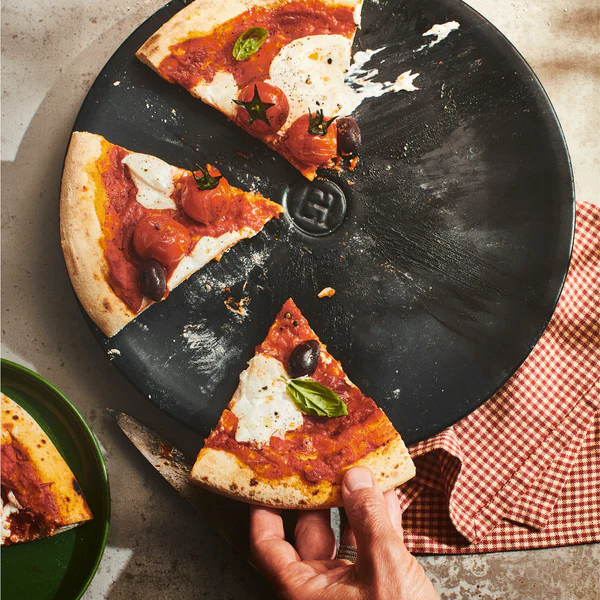
What Exactly is a Pizza Stone and Why Do You Need One?
A pizza stone, often called a baking stone, is typically a flat, thick slab made from materials like ceramic, cordierite, steel, or cast iron. Its primary mission? To mimic the intense, even heat of a traditional brick oven. When preheated, the stone absorbs and retains a significant amount of heat. As your pizza makes contact, this stored heat is rapidly transferred directly to the dough, initiating an immediate, powerful bake. This rapid heat transfer is crucial for two reasons: it prevents a soggy bottom by quickly wicking away moisture from the dough, and it creates that coveted blistered, airy, and wonderfully crispy crust that’s the hallmark of truly great pizza. Beyond pizza, these stones enhance everything from artisan breads and flatbreads to roasted vegetables, making them a truly versatile kitchen tool.
The Heart of the Matter: Exploring Pizza Stone Materials
The material of your pizza stone significantly impacts its performance, durability, and how you care for it. Understanding the differences will help you choose the best pizza stone for grill and oven to suit your culinary adventures.
- Cordierite Pizza Stones: Often considered the gold standard for stone options, cordierite is a mineral-rich ceramic known for its exceptional resistance to thermal shock. This means it’s less prone to cracking from sudden temperature changes, making it ideal for both high-heat ovens and grills. Cordierite is porous, actively drawing moisture from your dough to ensure an incredibly crispy crust.
- Ceramic Pizza Stones: Made from various clays, ceramic stones also provide excellent heat retention and even cooking. They tend to be lighter than steel or cast iron, making them easier to handle. However, ceramic stones can be more susceptible to cracking if not preheated and cooled slowly. Many are glazed, offering easier cleaning and a more aesthetic appeal.
- Baking Steels: While not technically a “stone,” baking steels have gained immense popularity. Made from thick, heavy-gauge steel, they are superior heat conductors, heating up much faster and retaining heat more effectively than any stone. This rapid heat transfer results in an incredibly crispy and often charred crust, mimicking commercial pizza ovens even more closely. Baking steels are virtually indestructible and won’t crack from thermal shock. The trade-offs? They are significantly heavier and often more expensive.
- Cast Iron Pizza Pans: Robust and nearly indestructible, cast iron pans offer excellent heat retention and can withstand extremely high temperatures, making them perfect for both oven and grill use. They require seasoning, similar to other cast iron cookware, to maintain a non-stick surface. Like baking steels, they are heavy but promise a lifetime of delicious pizzas if properly cared for.
“Choosing the right pizza stone material is like picking the perfect canvas for your culinary masterpiece,” says Chef Isabella Rossi, a renowned Italian-American pizzaiola. “Each material offers a unique texture and flavor profile to your crust, so consider your goals: extreme crispness, classic chew, or versatile durability.”
Pizza Stone on the Grill: Unleash Your Inner Pitmaster
Using a pizza stone for your grill elevates outdoor cooking to a whole new level. Grills can often reach higher temperatures than conventional indoor ovens, imparting a unique smoky flavor and achieving a blistered crust that’s reminiscent of a true wood-fired oven.
How to Use Your Pizza Stone on the Grill:
- Start Cold: Always place your cold pizza stone on a cold grill grate before turning on the heat. This gradual heating helps prevent thermal shock, which can cause cracking.
- Preheat with Purpose: Close the grill lid and preheat to its highest temperature, typically between 500-600°F (260-315°C), for at least 30-45 minutes. You want the stone itself to be scorching hot to deliver that instant crisp.
- Prepare Your Peel: Lightly dust your pizza peel with cornmeal or rice flour. This creates tiny ball bearings that allow your pizza to slide effortlessly onto the hot stone. Avoid using regular flour directly on the stone, as it can burn and create an unpleasant taste.
- Transfer and Cook: Quickly slide your assembled pizza onto the preheated stone. Close the grill lid immediately to trap the heat.
- Watch and Rotate: Grill for 5-10 minutes, checking periodically. Grill temperatures can fluctuate, so rotate your pizza halfway through if you notice uneven browning. Your pizza is ready when the crust is golden brown and the cheese is bubbly and melted.
Baking Perfection: Using Your Pizza Stone in the Oven
Even if you don’t have a dedicated outdoor pizza oven, a pizza stone for your oven will significantly upgrade your indoor pizza game, allowing you to replicate that pizzeria-style crispness right in your kitchen.
Step-by-Step Oven Pizza:
- Cold Start, High Heat: Place your cold pizza stone on the middle or lower rack of your cold oven. Turn your oven to its highest setting (usually 500-550°F or 260-290°C).
- Long Preheat is Key: Allow the stone to preheat for at least 30-60 minutes after the oven reaches its set temperature. This extended preheat ensures the stone is saturated with enough heat to properly cook your pizza.
- Dust Your Peel: Just like with grilling, dust your pizza peel generously with cornmeal or rice flour to ensure a smooth transfer.
- Slide and Bake: Carefully slide your pizza onto the super-hot stone.
- Bake to Perfection: Bake for approximately 8-15 minutes, depending on your oven and desired crispness. Keep an eye on it! The rapid heat transfer from the stone means your pizza will cook faster than on a regular baking sheet.
Tips and Tricks for That Legendary Crispy Crust
Achieving that perfect, crispy pizza crust with your pizza stone for grill and oven involves a few essential techniques:
- Don’t Rush the Preheat: Patience is a virtue here. A properly preheated stone is the single most important factor for a crispy crust.
- Go Light on Toppings: Overloading your pizza can lead to a soggy center. Less is often more for optimal crispness.
- Use a Reliable Pizza Peel: A sturdy pizza peel dusted with cornmeal or rice flour is indispensable for quick and smooth transfers, preventing heat loss.
- Work Quickly: The quicker you get the pizza from the peel to the hot stone, the less heat the stone loses, ensuring a more consistent bake.
- Consider Dough Hydration: Slightly lower hydration doughs tend to crisp up better on a pizza stone.
Beyond Pizza: The Unexpected Versatility of Your Pizza Stone
While “pizza stone” is in the name, this kitchen workhorse is capable of so much more. Its ability to absorb and distribute heat evenly makes it fantastic for a variety of baked goods and roasted dishes.
- Artisan Breads and Flatbreads: Achieve a beautifully browned, crusty exterior on loaves of sourdough, ciabatta, focaccia, or even homemade naan.
- Roasting Vegetables: Place a roasting pan on your preheated stone for more even browning and quicker cooking of vegetables or even a whole chicken.
- Baked Goods: From cookies to pastries, the consistent heat can improve texture and prevent hot spots, especially useful in ovens with uneven heating.
- Reheating Leftovers: Bring day-old pizza or other baked goods back to life with a fresh, crispy texture that microwave reheating simply can’t match.
“My pizza stone is often heating up in the oven for breads, even when no pizza is on the menu,” shares Chef Rossi. “The consistent heat it provides is a game-changer for anything requiring a good crust.”
Longevity Secrets: Caring for Your Pizza Stone
Your pizza stone for grill and oven can last for years, even generations, with proper care. It’s not like cleaning your average baking sheet, so pay close attention to these guidelines:
Cool Down Completely:
This is paramount. Never expose a hot pizza stone to cold water or extreme temperature changes, as this is the most common cause of cracking due to thermal shock. Always let it cool completely in the oven or on the grill before handling or cleaning.
Say No to Soap:
Pizza stones are porous, meaning they will absorb liquids and, unfortunately, soap. This can lead to a soapy aftertaste in future foods and can compromise the stone’s integrity. Avoid using any soap or harsh detergents.
Cleaning the Right Way:
- Scrape Off Debris: Once cool, use a stiff nylon brush or a plastic/silicone scraper to gently remove any stuck-on food bits, cheese, or sauce. Avoid metal utensils, which can scratch the surface.
- Minimal Water Wipe: If necessary, wipe the stone with a slightly damp cloth. Use as little water as possible.
- Baking Soda for Tough Stains: For stubborn stains, create a paste with equal parts baking soda and water. Apply the paste to the stained area, gently scrub with a nylon brush, then wipe clean with a damp cloth. Baking soda is a natural abrasive that won’t harm the stone or impart flavors.
Air Dry Thoroughly:
After cleaning, allow your pizza stone to air dry completely for at least 1-2 hours, or even overnight, before storing it or using it again. Any trapped moisture can lead to cracking during the next heating cycle.
Natural Stains Are Good:
Don’t fret over dark spots or discoloration on your pizza stone. These are normal and a sign of natural “seasoning” developing over time. They won’t affect the stone’s performance or the taste of your food; in fact, they often contribute to its non-stick properties.
Frequently Asked Questions (FAQ)
Q: How often should I clean my pizza stone?
A: Ideally, you should clean your pizza stone after every use by scraping off debris and wiping it down. Deep cleaning with a baking soda paste can be done every few uses or as needed for stubborn stains.
Q: Can I use parchment paper on a pizza stone?
A: Yes, you can use parchment paper on a pizza stone, especially for easier transfer. Just ensure it’s trimmed so there isn’t too much overhang, particularly when using it on a grill where it could catch fire.
Q: What’s the difference between a pizza stone and a pizza steel?
A: A pizza stone is typically made from ceramic or cordierite and is known for absorbing moisture and retaining heat. A pizza steel, made from solid steel, conducts heat much faster and is virtually indestructible, leading to a quicker and often crispier crust. Steels are heavier and generally more expensive.
Q: Can I put a frozen pizza directly on a pizza stone?
A: Yes, you can. Ensure your pizza stone is thoroughly preheated to prevent thermal shock from the cold pizza. This will help the crust crisp up significantly better than baking on a metal tray.
Q: Why did my pizza stone crack?
A: Most often, pizza stones crack due to thermal shock – sudden and extreme changes in temperature. This happens if a cold stone is placed into a hot oven/grill, or if a hot stone comes into contact with cold water. Always heat and cool your stone gradually.
The Ultimate Slice Awaits
Embracing a pizza stone for grill and oven truly unlocks a new world of homemade pizza possibilities. From the crispy, char-kissed crusts achieved on the grill to the evenly baked perfection from your oven, this simple tool empowers you to create pizzas that rival your favorite pizzerias. It’s an investment in countless delicious meals and a testament to the joy of crafting something wonderful in your own home. So go ahead, ignite your passion, get that stone hot, and share the incredible experience of truly great homemade pizza!
|
Our Picks for the Best Pizza Stone in 2026
As an Amazon Associate I earn from qualifying purchases.
|
||
| Num | Product | Action |
|---|---|---|
| 1 | Nuwave Heavy-Duty Cordierite Pizza & Baking Stone, Heat Resistant up to 1472°F, Great for Indoor Electric Ovens, Outdoor Gas, Wood Fire Grills, BBQ Grilling, & Nuwave Bravo XL, Fits Most Frozen Pizzas |

|
| 2 | Unicook Pizza Stone, Heavy Duty Cordierite Pizza Pan for Oven and Grill, Thermal Shock Resistant Baking Stone for Bread, 15 X 12 Inch Rectangular, 6.8 lbs |
|
| 3 | Large Pizza Stone for Oven 16 inch - Round Pizza Stone for Grill with Handles, Wood Pizza Peel and Cutter Set - Baking Stone for Bread - Pizza Making Kit Accessories - Gifts for Food Lovers |
|
| 4 | Pizza Stone 15x12 Inch Rectangular, Cordierite Baking Stone for Oven Grill BBQ, Crack Resistant with 4 Built-in Handles for Crispy Crust Bread Cookies |
|
| 5 | Hans Grill Pizza Stone PRO XL Baking Stone For Pizzas use in Oven, Grill or BBQ FREE Long Handled Anodised Aluminium Pizza Peel - Rectangular Stone 15 x 12\" Inches - For Pies, Pastry, Bread, Calzone |
|
| 6 | 5 PCS Round Pizza Stone Set, 13\" Pizza Stone for Oven and Grill with Pizza Peel(OAK),Serving Rack, Pizza Cutter & 10pcs Cooking Paper for Free, Baking Stone for Pizza, Bread |
|
| 7 | Old Stone Round Pizza Stone, 16-Inch |
|
| 8 | HANS GRILL PIZZA STONE - Rectangular Pizza Stone For Oven Baking & BBQ Grilling With Free Wooden Peel - Extra Large 15 x 12\" Inch Durable Cordierite Cooking Stone. |
|
| 9 | HANS GRILL PIZZA STONE - Circular Pizza Stone For Oven Baking & BBQ Grilling With Free Wooden Peel - Extra Large Round 15\" Inches Diameter (38CM) Durable Cordierite Cooking Stone. |
|
| 10 | 4 PCS Rectangle Pizza Stone Set, 15\" Large Pizza Stone for Oven and Grill with Pizza Peel(OAK), Pizza Cutter & 10pcs Cooking Paper for Free, Baking Stone for Pizza, Bread,BBQ |
|