Ever dreamed of restaurant-quality pizza right in your own backyard? Forget complex outdoor ovens – your trusty BBQ grill, paired with the Best Pizza Stone For Bbq, can unlock a world of smoky, crispy-crusted deliciousness. It’s not just about cooking a pizza; it’s about transforming your grilling game and bringing that authentic pizzeria experience to your patio.
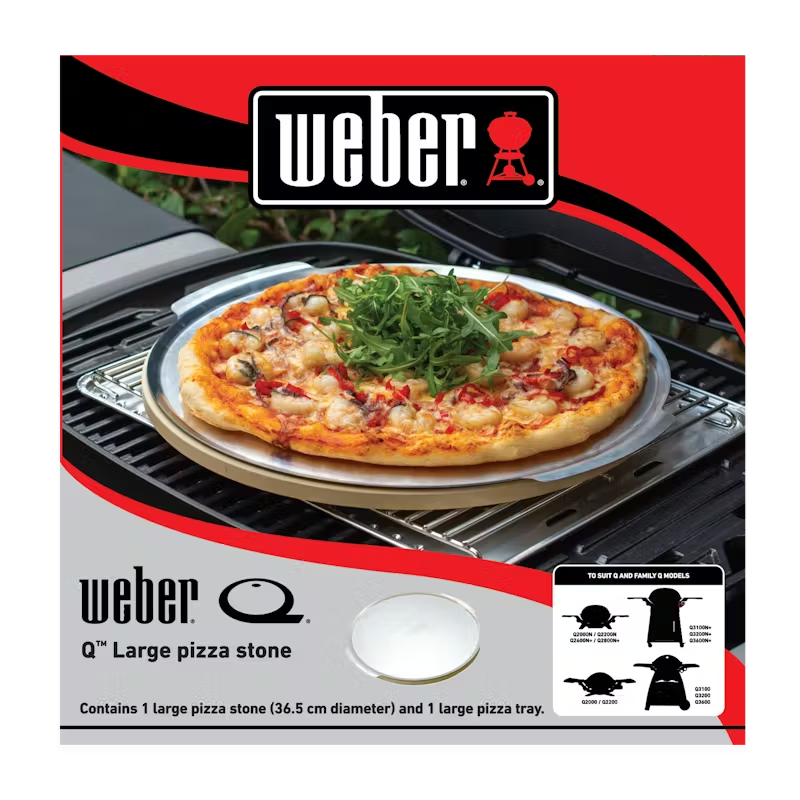
The Sizzling Secret: Why Use a Pizza Stone on Your BBQ?
You might wonder, “Why bother with a pizza stone when I can just throw dough on the grill grates?” The magic lies in the stone’s ability to mimic a traditional brick oven. While your BBQ excels at direct heat, it often struggles to provide the intense, even heat needed for a perfectly cooked pizza crust without burning it. A pizza stone acts as a thermal battery, absorbing and radiating consistent, high heat directly into your pizza dough. This prevents the dreaded “soggy bottom” that often plagues grilled pizzas and helps achieve that irresistible, blistered crust you crave. The stone elevates your grill’s performance, giving you a faster, more even bake and infusing your pizza with a subtle, delightful smoky flavor that an indoor oven simply can’t replicate.
Decoding Materials: Types of Pizza Stones for the Grill
When searching for the best pizza stone for BBQ, you’ll encounter a few primary materials, each with its unique characteristics. Understanding these will help you choose the perfect match for your grilling style and desired pizza perfection.
Cordierite Pizza Stones
Cordierite is perhaps the most common material for pizza stones, and for good reason. This ceramic material is highly prized for its exceptional resistance to thermal shock, meaning it can handle the intense temperature fluctuations of a BBQ grill without cracking. Cordierite stones are porous, allowing them to absorb moisture from the dough, resulting in a wonderfully crispy crust. They retain heat effectively, ensuring a consistent bake from edge to center. While generally durable, they do require careful cleaning – typically just scraping and wiping, as soap can be absorbed and impart off-flavors.
Baking Steel Pizza Plates
A newer, increasingly popular alternative to traditional stones, baking steels are made from solid steel. These plates are veritable heat powerhouses, conducting and retaining heat far more efficiently and at higher temperatures than ceramic stones. If you’re chasing that super-fast, ultra-crispy crust with incredible leopard-spotting, a baking steel might be your ideal choice. They heat up quicker, can reach much higher temperatures (up to 1,000°F!), and are virtually indestructible – no worries about thermal shock or accidental drops. The trade-off? They are significantly heavier and often more expensive than ceramic stones.
Cast Iron Pizza Pans
Don’t overlook the humble cast iron pan or griddle when considering options for grilled pizza. Cast iron is incredibly durable, retains heat exceptionally well, and distributes it evenly, making it an excellent candidate for achieving a great crust on the grill. Many cast iron pizza pans come pre-seasoned, offering a naturally non-stick surface over time. They are also incredibly versatile, doubling as griddles for other grilled foods. While they might not reach the extreme temperatures of a baking steel, their robust construction and consistent heat make them a fantastic, long-lasting option for BBQ pizza enthusiasts.
Choosing Your Champion: Factors for the Best BBQ Pizza Stone
Selecting the best pizza stone for BBQ involves more than just picking a material. Consider these factors to ensure your choice aligns with your grilling setup and pizza ambitions:
- Size and Shape: Measure your grill! Ensure the stone fits comfortably on your grates, leaving some space for air circulation if possible. Rectangular stones often maximize space on larger grills, while round ones are classic for traditional pizzas.
- Heat Retention and Distribution: This is paramount. A good stone should absorb and radiate heat evenly across its entire surface to prevent hot spots and ensure a uniform, crispy crust.
- Durability: Grills can be tough on cooking surfaces. Look for materials known for their resistance to thermal shock and breakage, especially if you’re prone to accidental drops or rapid temperature changes.
- Ease of Cleaning and Maintenance: While no pizza stone is truly “easy” to clean if you get cheese baked on, some materials are more forgiving. Consider how much effort you’re willing to put into post-pizza cleanup.
Grilling Your Way to Perfection: A Step-by-Step Guide
Using a pizza stone on your BBQ grill is straightforward once you know the ropes. Follow these steps for a consistently delicious outcome.
Preparation is Key
First things first, make sure your grill grates are clean. Any old grease or food bits can smoke and impart unwanted flavors. Place your pizza stone on the cold grill grates. This is crucial to prevent thermal shock, which can cause ceramic stones to crack. Close the grill lid and preheat your grill to its highest setting, aiming for a temperature between 500-600°F (260-315°C). Let the stone preheat for at least 30 to 45 minutes. This extended preheating ensures the stone is saturated with heat, ready to give your pizza that perfect, immediate crisp.
Crafting Your Masterpiece
While your grill and stone are getting hot, it’s time to assemble your pizza. Roll or stretch your dough to your desired thickness. For grilled pizza, a thinner crust generally works best and cooks faster. Be mindful not to overload your pizza with toppings, as too much moisture or weight can lead to a soggy center. For an easy transfer, sprinkle your pizza peel generously with cornmeal, semolina, or rice flour. This acts as a frictionless layer, allowing your pizza to glide smoothly from peel to stone.
The Grand Reveal: Cooking Your Pizza
Once your grill and stone are thoroughly preheated, it’s showtime! Quickly open the grill lid and carefully slide your prepared pizza onto the blazing hot stone using your pizza peel. Close the lid immediately to trap the heat and let the magic happen. Grill your pizza for about 5 to 10 minutes, or until the crust is golden brown and the cheese is bubbly and slightly charred. Resist the urge to frequently open the lid, as this releases heat and prolongs cooking time, potentially compromising your crust.
Tips and Tricks from a Pitmaster
“For the crispiest crust, don’t rush the preheating. A well-heated stone is half the battle!” advises Chef Antonio Rossi, a renowned expert in outdoor cooking. “And remember, every grill is different; get to know your hot spots and rotate the pizza once or twice if you notice uneven browning.”
- Mind the Lid: Keep the grill lid closed as much as possible to maintain consistent high heat, which is essential for cooking the top of the pizza evenly with the bottom.
- Rotate for Evenness: If your grill has hot spots, gently rotate the pizza halfway through cooking to ensure uniform browning.
- Par-Baking: For pizzas with very wet toppings or a thicker crust, consider par-baking the dough on the stone for a few minutes before adding sauce and toppings. This gives the base a head start.
- Indirect Heat: If you find the bottom of your pizza cooking too fast, try setting up your grill for indirect heat, with the stone over unlit burners or coals, and the flames roaring around it.
Beyond Pizza: The Versatility of Your BBQ Stone
While its name suggests one purpose, a good BBQ stone is far more versatile than you might imagine. You can use it to bake artisan bread with a perfectly crisp crust, achieve beautifully chewy cookies, or even roast vegetables, giving them a lovely char and smoky depth. It’s an indispensable tool that extends your BBQ’s capabilities far beyond burgers and steaks.
Maintaining Your Masterpiece: Care for Your Pizza Stone
Proper care will ensure your best pizza stone for BBQ lasts for years. After grilling, leave the stone on the grill with the lid closed until it has completely cooled down. Removing a hot stone too quickly can cause thermal shock and cracking. Once cool, use a stiff brush or metal scraper to remove any stuck-on food residue. For ceramic stones, never use soap, as it can soak into the porous material and leave a soapy taste. A simple wipe with a damp cloth (if needed) and thorough drying is usually sufficient. Store your stone in a dry place to prevent moisture absorption.
Conclusion
Embracing the best pizza stone for BBQ is more than just buying a kitchen gadget; it’s an investment in countless memorable meals, shared laughter, and the pure joy of crafting perfect pizzas right in your own outdoor space. By understanding the different materials, mastering the simple techniques of preheating and cooking, and giving your stone the care it deserves, you’ll elevate your grilling experience and impress everyone with your newfound pizza prowess. So fire up that grill, grab your stone, and start experimenting – the world of incredible grilled pizza awaits!