There’s something uniquely satisfying about homemade pizza, but achieving that coveted crispy crust and perfectly cooked toppings often feels like a quest for the holy grail. If you’ve ever dreamt of recreating authentic pizzeria-quality pizza in your own kitchen, then understanding the Best Pizza Stone For Oven use is your golden ticket. It’s more than just a piece of kitchen equipment; it’s a game-changer that transforms your standard oven into a high-heat pizza-making powerhouse, promising a consistently delightful experience for every pizza enthusiast.
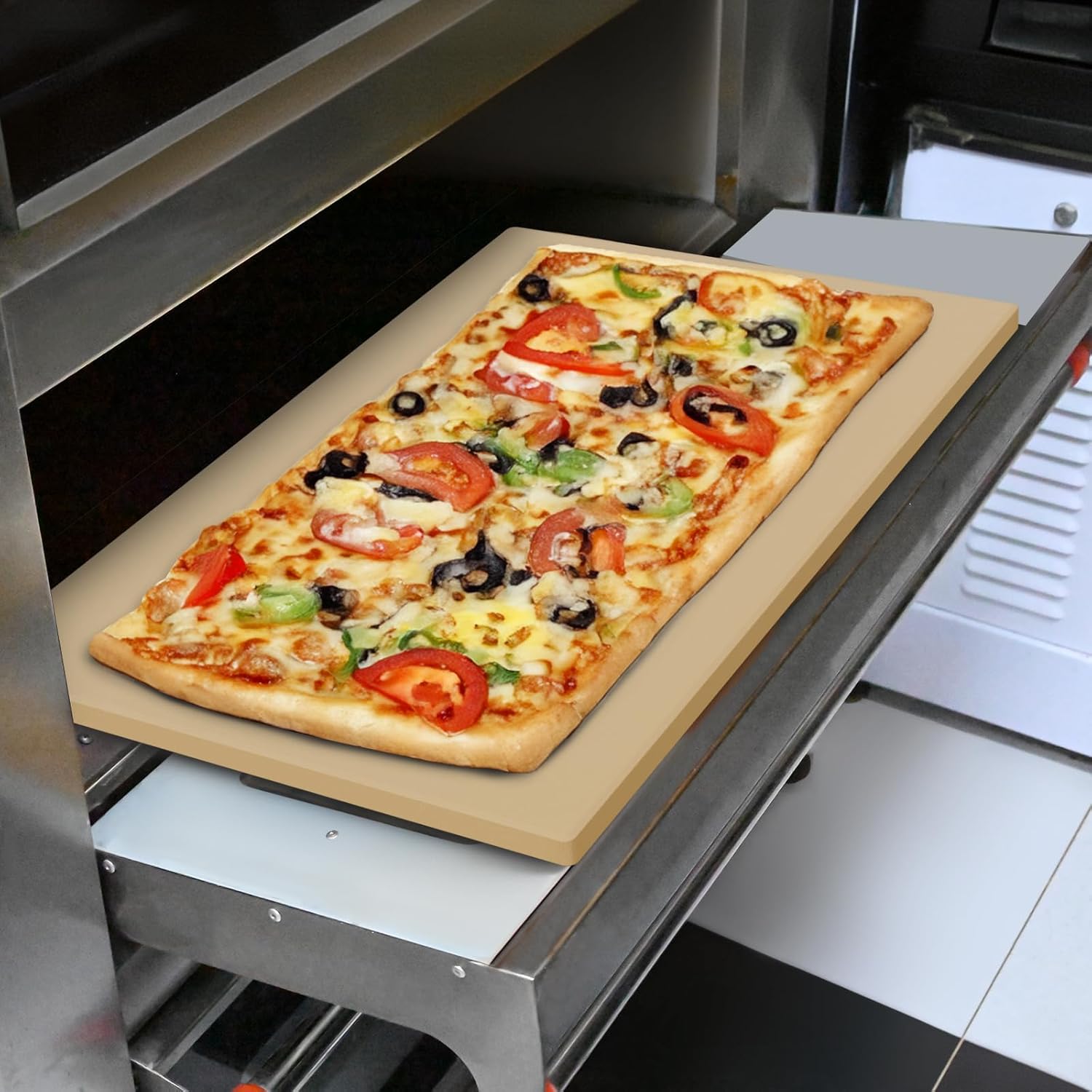
The Secret Ingredient for Perfect Pizza: What Exactly is a Pizza Stone?
At its heart, a pizza stone is a flat, heat-retentive surface designed to mimic the intense, even heat of a traditional brick oven. When preheated in your oven, it absorbs and holds a significant amount of thermal energy. As soon as your pizza dough hits this scorching surface, that stored heat transfers rapidly to the crust, initiating a quick bake that creates a beautifully crisp bottom and prevents dreaded sogginess. It’s this rapid heat transfer that makes all the difference, helping your homemade pies reach new heights of deliciousness.
A Journey Through Time: The Humble Origins of the Pizza Stone
The concept of using a hot surface for baking isn’t new; humans have been baking flatbreads on hot rocks or clay slabs for millennia. From ancient hearths to traditional Italian wood-fired ovens, the principle has remained the same: direct, intense heat from below is crucial for a superior crust. The modern pizza stone, as we know it, evolved from these rudimentary baking methods, offering home cooks a convenient way to replicate professional results right in their conventional ovens. It brings a slice of that time-honored tradition straight into your kitchen.
Choosing Your Champion: Popular Pizza Stone Types and Their Traits
When searching for the best pizza stone for oven use, you’ll encounter a few main contenders, each with its own set of advantages and characteristics. Picking the right one depends on your priorities, whether that’s durability, heat retention, or sheer speed.
Cordierite Pizza Stones
Often considered the workhorse of pizza stones, cordierite is a mineral-rich ceramic known for its excellent thermal shock resistance. This means it’s less likely to crack when exposed to rapid temperature changes, a common pitfall for other stone types. Cordierite stones absorb and radiate heat effectively, delivering a reliably crispy crust.
Why is cordierite good for pizza stones?
Cordierite is prized for its durability and resistance to thermal shock, making it a reliable choice that can withstand the high temperatures and sudden changes often encountered when baking pizza in a home oven.
Ceramic Pizza Stones
Traditional ceramic stones are fantastic for even heat absorption and distribution, which translates to a consistent, crispy crust across your entire pizza. They are typically lighter than steel or cast iron options. However, they can be more fragile and susceptible to cracking if not handled with care or exposed to extreme temperature fluctuations.
Are ceramic pizza stones durable?
While effective at heat distribution, traditional ceramic pizza stones are generally more prone to cracking from thermal shock or accidental drops compared to cordierite or steel alternatives.
Pizza Steels (Steel Stones)
For those chasing the ultimate crisp and fastest bake, pizza steels are often hailed as the champion. Made from a highly conductive steel alloy, they transfer heat to your pizza dough much faster and retain heat longer than any stone material. This superior conductivity leads to a blistering hot crust that cooks incredibly quickly, often mimicking the intense heat of commercial pizza ovens.
What are the benefits of a pizza steel over a stone?
Pizza steels offer significantly higher heat conductivity and retention, resulting in faster baking times, a crispier crust, and unparalleled durability compared to traditional pizza stones. They are nearly indestructible.
Cast Iron Pizza Pans/Stones
Cast iron, known for its incredible heat retention and durability, also makes an excellent pizza-baking surface. A cast iron pizza pan can function similarly to a stone, getting incredibly hot and holding that heat through multiple bakes. They are versatile and can often be used on the stovetop or grill as well as in the oven, though they require seasoning like other cast iron cookware.
Is cast iron a good substitute for a pizza stone?
Yes, cast iron can be an excellent substitute for a pizza stone due to its superior heat retention and durability, often producing a wonderfully crispy crust, though it requires seasoning and can be quite heavy.
Pizza Stone Material Comparison
| Material | Heat Conductivity | Durability | Price Range | Key Benefit |
|---|---|---|---|---|
| Cordierite | Good | Very High | Mid | Thermal shock resistant, reliable |
| Ceramic | Good | Moderate (prone to cracking) | Low-Mid | Even heat, traditional feel |
| Steel | Excellent | Extremely High (unbreakable) | High | Fastest bake, crispiest crust, retains heat longer |
| Cast Iron | Good | Very High | Mid-High | Excellent heat retention, versatile, durable |
Your First Slice: A Step-by-Step Guide to Using Your Pizza Stone
Using a pizza stone effectively is straightforward, but a few key steps will ensure you get that perfect crispy crust every time.
- Preparation is Key: Start by placing your pizza stone in a cold oven on the middle or lowest rack. It’s crucial that the stone heats up gradually with the oven to prevent thermal shock, which can cause cracking.
- Preheat Like a Pro: Turn your oven to its highest setting, typically 500-550°F (260-290°C). Once the oven reaches temperature, let the stone continue to preheat for at least 45 to 60 minutes. This extended period allows the stone to fully saturate with heat, becoming a true heat reservoir for your pizza.
- Crafting Your Masterpiece: While your stone preheats, prepare your pizza. Stretch your dough on a pizza peel (or a rimless baking sheet) that has been generously dusted with semolina flour or cornmeal. This creates tiny ball bearings that help the pizza slide off effortlessly. Add your sauce and toppings, but go light – an overloaded pizza can become soggy and hard to transfer.
- The Launch: Once your oven and stone are piping hot, open the oven door. Position the tip of your peel near the back of the stone. With a confident, quick jerk, slide the peel back, allowing the pizza to smoothly glide onto the hot stone. Don’t hesitate!
- Baking Brilliance: Bake your pizza for 5 to 10 minutes, or until the crust is golden brown and the cheese is bubbly and slightly charred. Baking times vary depending on your oven and pizza thickness.
- The Grand Reveal: Use your pizza peel to carefully remove the cooked pizza from the oven. Let it rest on a wire rack for a minute or two before slicing. This allows steam to escape and further crisps the crust.
Pro Tips and Tricks for Pizza Stone Perfection
Elevating your pizza game with the best pizza stone for oven use involves a few insider secrets:
- Optimal Oven Temperature and Preheat Duration: Always use your oven’s highest temperature setting and give your stone ample time – a minimum of 45-60 minutes after the oven reaches temperature – to fully heat through. This is non-negotiable for a truly crispy crust.
- Avoiding Thermal Shock: Never place a cold pizza stone into a hot oven, or a hot stone onto a cold surface or under cold water. Allow it to cool down slowly inside the oven after use to prevent cracking. Similarly, avoid placing frozen pizzas directly on a super-hot stone.
- Using Parchment Paper: For beginners or those worried about sticking, parchment paper can be a lifesaver. Prepare your pizza on parchment, then transfer the whole thing (pizza and paper) onto the hot stone. Just be sure your parchment paper is oven-safe for high temperatures.
- Storing Your Pizza Stone: Many experienced home bakers keep their pizza stone in the oven all the time. It helps stabilize oven temperatures and prevents you from having to move a heavy, awkward item. “Leaving your pizza stone in the oven permanently isn’t just convenient,” says Chef Isabella Rossi, a renowned Italian culinary expert. “It actually helps your oven maintain a more even temperature, reducing hot spots and making all your baked goods better.”
- Don’t Overload: A lighter hand with toppings ensures your pizza cooks evenly and the crust stays crisp. Excess moisture from too many ingredients can steam the crust instead of baking it.
More Than Just Pizza: The Undeniable Benefits of a Pizza Stone
Investing in the best pizza stone for oven use extends beyond just perfect pizzas. Here’s why it’s a stellar addition to any kitchen:
- Crispier Crust, Every Time: This is the primary reason. The direct, intense heat transforms dough into a beautifully blistered, airy, and incredibly crispy crust.
- Even Cooking: The stone’s ability to maintain a consistent high temperature ensures your pizza cooks uniformly, from edge to center, preventing uncooked spots.
- Faster Bake Times: By transferring heat so efficiently, a pizza stone significantly reduces the cooking time, allowing you to get dinner on the table faster and enjoy more of that fresh, hot pizza.
- Versatility: Beyond pizza, these stones are excellent for baking artisan breads, baguettes, focaccia, pastries, and even cookies, giving everything a professional, evenly baked finish.
Long Live Your Stone: Essential Care and Maintenance
Proper care is key to ensuring your pizza stone lasts for years, delivering countless delicious meals.
- Cooling Down: Always allow your pizza stone to cool completely in the oven after use. This can take several hours. Patience prevents cracks.
- Cleaning Process: Forget soap and scrubbing brushes! Pizza stones are porous and will absorb soap, which can lead to soapy-tasting pizzas. Once cool, simply scrape off any baked-on food bits with a stiff brush or a spatula. Then, wipe it down with a damp cloth. That’s it!
- Dealing with Stubborn Stains: For persistent, burnt-on residue, create a paste of equal parts baking soda and water. Apply it to the stain, let it sit for a bit, then scrub gently with a nylon brush and wipe clean.
- Why Discoloration is Normal: Don’t worry about stains or darkening over time. This “seasoning” is natural and won’t affect the stone’s performance or the flavor of your food. It’s a badge of honor for a well-used kitchen tool!
Frequently Asked Questions About the Best Pizza Stone for Oven
Q: How hot should my oven be for a pizza stone?
A: For the best results, preheat your oven to its highest possible temperature, usually between 500°F and 550°F (260-290°C), allowing the pizza stone to heat up for at least 45-60 minutes after the oven reaches temperature.
Q: Can I put a frozen pizza directly on a hot pizza stone?
A: No, it’s generally not recommended to place a frozen pizza directly on a searingly hot pizza stone as the extreme temperature difference can cause thermal shock and crack the stone.
Q: Do I need to season my pizza stone?
A: Most traditional pizza stones made of ceramic or cordierite do not need to be seasoned with oil. In fact, oil can absorb into the porous surface and cause smoking or unpleasant odors when heated. However, cast iron pizza pans often require seasoning.
Q: Why did my pizza stone crack?
A: Pizza stones typically crack due to thermal shock, which happens from rapid temperature changes, such as placing a cold stone in a hot oven, removing a hot stone to a cold surface, or cleaning it with cold water while it’s still hot.
Q: What’s the best way to launch a pizza onto a stone without a peel?
A: If you don’t have a pizza peel, you can use a rimless baking sheet or a sturdy cutting board heavily dusted with cornmeal or semolina. Alternatively, prepare your pizza on parchment paper and slide the paper (with the pizza) directly onto the stone.
Q: Can I use my pizza stone on a grill?
A: Many pizza stones, especially cordierite and steel ones, are designed to withstand high temperatures and can be used on a grill. Always check the manufacturer’s instructions for your specific stone to confirm grill compatibility.
Q: How do I remove burnt-on food from my pizza stone?
A: After the stone has cooled completely, scrape off any burnt food with a stiff brush or spatula. For stubborn stains, create a paste of baking soda and water, apply it, let it sit, then scrub gently with a nylon brush and wipe clean.
The Ultimate Home Pizza Experience Awaits
Discovering the best pizza stone for oven use truly is a pivotal moment for any home cook aspiring to create pizzeria-quality pizza. From understanding the nuanced differences between cordierite, ceramic, and steel, to mastering the art of the preheat and the perfect launch, you’re now equipped with the knowledge to consistently bake extraordinary pizzas right in your own kitchen. Don’t be afraid to experiment, refine your technique, and most importantly, enjoy the delicious rewards. The crispy crust and melted perfection of a truly great homemade pizza are now within your grasp!