There’s an undeniable magic in a perfectly baked pizza: a crust that’s wonderfully crisp on the outside, yet tender and airy within, adorned with bubbling cheese and fresh, vibrant toppings. For home bakers dreaming of recreating that authentic pizzeria experience, the Ceramic Pizza Stone stands as an indispensable tool. At Pietra Pizza, we believe in empowering your culinary adventures, and understanding this essential piece of equipment is key to elevating your homemade pizza game.
The Ancient Roots of Baking Stones
The concept of baking on heated stones isn’t new; it’s a culinary tradition that stretches back thousands of years. From the simple fire pits of the Paleolithic Age to the sophisticated brick ovens of ancient Rome, our ancestors understood the power of radiant heat. These early methods laid the groundwork for modern baking, demonstrating how a hot, stable surface could transform dough into something truly special. Fast forward to the 1970s, and the modern pizza stone was born, bringing this age-old wisdom right into our home kitchens. It’s a testament to timeless principles, now refined for contemporary convenience.
What Exactly is a Ceramic Pizza Stone?
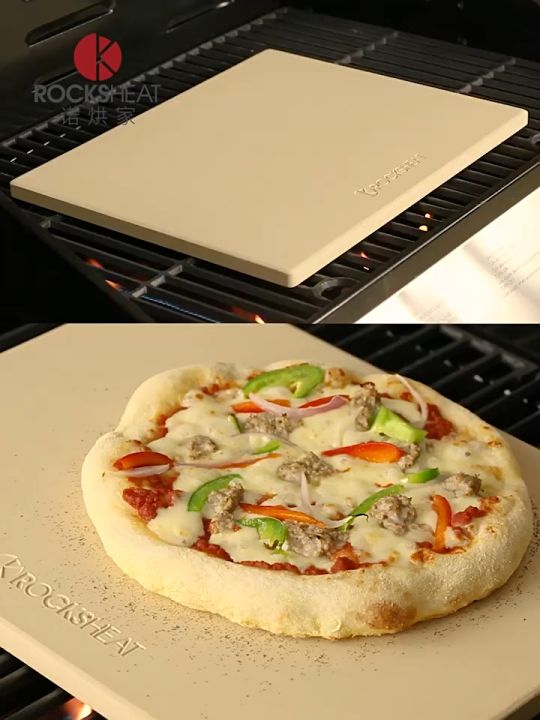
A ceramic pizza stone is a flat slab, typically made from a natural clay composite, designed to replicate the intense, even heat of a traditional brick oven. When placed in your oven and preheated, it absorbs and radiates heat directly into your pizza crust, simulating professional conditions. This isn’t just a fancy baking sheet; it’s a dedicated cooking surface engineered for superior results.
Why Choose Ceramic?
- Even Heat Distribution: Ceramic excels at absorbing and distributing heat uniformly across its surface. This means no more soggy centers or burnt edges – just a consistently cooked, golden-brown crust every time.
- Crispy Crust Perfection: The porous nature of a ceramic pizza stone helps draw moisture away from the dough as it bakes. This is the secret to achieving that coveted crispy bottom and airy interior, a hallmark of great pizza.
- Affordability and Accessibility: Compared to some other materials, ceramic stones are generally more budget-friendly, making them an accessible entry point for anyone eager to master homemade pizza. They’re also widely available in various shapes and sizes to fit most home ovens.
- Versatility Beyond Pizza: While “pizza” is in the name, a ceramic pizza stone is a multi-talented kitchen companion. It’s fantastic for baking artisan breads, warming up pastries, or even reheating leftovers, giving them a delightful crispness that a microwave simply can’t match.
Ceramic vs. The Competition: A Quick Look at Materials
When delving into the world of baking surfaces, you’ll encounter a few popular contenders alongside the ceramic pizza stone:
Ceramic’s Balanced Appeal
Ceramic stones are beloved for their excellent heat retention and ability to produce wonderfully crispy crusts by wicking away moisture. They offer a great balance of performance and cost. However, their main characteristic is a susceptibility to thermal shock, meaning rapid temperature changes can cause them to crack. Handle them with care, and they will serve you well for years.
Cordierite: The Durable Cousin
Cordierite is a mineral composite that offers greater resistance to thermal shock than traditional ceramic. It’s often a bit more expensive but provides enhanced durability, making it a favorite for those who use their stone frequently or at very high temperatures, such as in outdoor pizza ovens.
Baking Steel: The Speed Demon
Baking steels, made from thick carbon steel, are known for their incredibly fast heat transfer and superior heat retention. They get hotter, quicker, resulting in an ultra-crispy crust in less time. While virtually indestructible and resistant to thermal shock, they are typically heavier and more expensive than ceramic or cordierite stones. Each material has its strengths, but for many home bakers, the ceramic pizza stone hits a sweet spot, delivering excellent results without a professional price tag.
How to Use Your Ceramic Pizza Stone for Flawless Pizza
Using a ceramic pizza stone might seem intimidating at first, but with a few simple steps, you’ll be baking like a pro.
1. Getting Started: The Essential Preheat
Always place your ceramic pizza stone in a cold oven. Placing it in an already hot oven risks thermal shock, which can cause cracking. Once the stone is in place, preheat your oven to the highest possible temperature, typically 500°F (260°C) or even higher if your oven allows. For optimal results, let the stone continue to heat for at least 30-60 minutes after your oven indicates it has reached temperature. This ensures the stone is thoroughly saturated with heat, ready to give your crust that amazing initial spring.
2. The Grand Entrance: Launching Your Pizza
Once your stone is super hot, it’s time for the pizza. Prepare your dough on a lightly floured or cornmeal-dusted pizza peel. This crucial step prevents sticking. Swiftly slide your prepared pizza directly onto the scorching hot ceramic pizza stone. Precision here is key, but don’t fret if it’s not perfect on your first try!
3. Baking to Perfection
Bake your pizza according to your recipe, typically for 8-15 minutes, depending on your oven temperature and desired crust crispness. Keep a close eye on it; you’re looking for a beautifully golden-brown crust and bubbling, slightly charred cheese.
4. The Cool Down: Patience is Key
Once your pizza is baked, use your peel to carefully remove it from the oven. Turn off your oven and, crucially, allow your ceramic pizza stone to cool completely inside the oven. Resist the urge to pull it out immediately, as sudden temperature changes can lead to cracking.
Mastering Your Ceramic Pizza Stone: Tips & Tricks
A few insider tips can make all the difference when working with a ceramic pizza stone.
Why Does My Pizza Stick to the Stone?
If your pizza is sticking, it’s usually due to one of two reasons: either the stone wasn’t preheated long enough, or you didn’t use enough cornmeal or flour on your pizza peel. A super-hot stone instantly sets the crust, preventing sticking. Ensure you allow ample preheating time for your ceramic pizza stone.
How Can I Prevent Thermal Shock and Cracking?
Thermal shock is the arch-nemesis of a ceramic pizza stone. The golden rule is to always introduce the stone to gradual temperature changes. Place it in a cold oven, allow it to preheat with the oven, and let it cool down in the oven. Avoid placing cold or frozen items directly onto a hot stone, as this rapid temperature difference can lead to cracks.
Should I Use Oil or Season My Ceramic Pizza Stone?
Unlike cast iron, a ceramic pizza stone does not need to be seasoned with oil. In fact, oil can soak into the porous surface, potentially causing smoke and unpleasant odors when heated. A well-preheated, clean stone is all you need for a non-stick surface.
Caring for Your Ceramic Pizza Stone: Longevity is Key
Proper care will ensure your ceramic pizza stone remains a reliable kitchen workhorse for years.
The Gentle Art of Cleaning
- Cool Completely: Always wait until your ceramic pizza stone is entirely cool to the touch before attempting to clean it.
- Scrape Away Debris: Use a plastic scraper, a stiff nylon brush, or even an old toothbrush to gently scrape off any baked-on food, cheese, or crumbs.
- Wipe Clean (Sparingly): Dampen a cloth with warm water and wipe down the stone. Crucially, avoid using soap or detergents, as the stone can absorb them and impart a soapy flavor to your future pizzas.
- Air Dry Thoroughly: Allow your stone to air dry completely before storing it or using it again. Any trapped moisture can cause issues upon reheating.
Essential Maintenance for Lasting Performance
- Stains are Normal: Don’t obsess over stains or discoloration. Over time, your ceramic pizza stone will develop a seasoned, darker appearance. This is natural and will not affect its performance or the taste of your pizza.
- No Dishwasher, No Soaking: Never put your ceramic pizza stone in the dishwasher or submerge it in water. Its porous nature makes it highly susceptible to absorbing too much moisture, which can lead to cracking.
- Store Safely: The best place to store your ceramic pizza stone is often right in your oven, especially if you use it frequently. This not only keeps it safe from accidental drops but also helps regulate oven temperatures for more consistent baking.
The Benefits Beyond the Bake: Why a Ceramic Stone is a Must-Have
Incorporating a ceramic pizza stone into your kitchen routine offers more than just a crispy crust; it transforms your entire approach to home cooking.
Unleash Your Inner Pizzaiolo
There’s immense satisfaction in pulling a restaurant-quality pizza from your own oven. A ceramic pizza stone empowers you to experiment with different doughs, sauces, and toppings, turning pizza night into a creative culinary adventure.
Consistency in Every Slice
With its ability to maintain and distribute heat evenly, the stone ensures predictable, delicious results. Say goodbye to guesswork and hello to consistently perfect pizzas that will impress family and friends.
A Foundation for Culinary Creativity
Beyond pizza, think about the artisan breads, rustic flatbreads, or even perfectly warmed croissants you can achieve. The stone provides a versatile foundation for a wide range of baked goods, expanding your culinary repertoire.
Expert Insight: A Word from Chef Isabella Rossi
“For anyone serious about making incredible pizza at home, a ceramic pizza stone is non-negotiable. It’s the closest you’ll get to a traditional brick oven in a standard kitchen. The key is understanding its thermal properties: patience during preheating and gentle care are rewarded with truly exceptional results. It truly makes all the difference.” – Chef Isabella Rossi, Culinary Director at Pietra Pizza
FAQ: Your Ceramic Pizza Stone Questions Answered
How long does a ceramic pizza stone take to preheat?
A ceramic pizza stone should be placed in a cold oven and preheated for at least 30-60 minutes after your oven reaches its set temperature (usually 500°F / 260°C). This ensures the stone is fully saturated with heat for the best results.
Can I use a ceramic pizza stone on a grill?
Yes, many ceramic pizza stones are designed to withstand high grill temperatures. Always place the stone on a cold grill grate, then preheat the grill slowly to avoid thermal shock. Ensure your stone is rated for grill use.
What’s the best way to store my pizza stone?
The most convenient and often safest place to store your ceramic pizza stone is right in your oven. This keeps it out of harm’s way, protects it from sudden temperature changes, and helps stabilize oven temperatures for other baking tasks.
Is it normal for my ceramic pizza stone to get stained?
Absolutely! Stains, discoloration, and dark spots are a completely normal part of a ceramic pizza stone‘s life. These marks are a sign of a well-loved and well-used stone and will not impact its performance or the flavor of your food.
Can I bake other foods on my ceramic pizza stone?
Yes, a ceramic pizza stone is incredibly versatile. It’s excellent for baking various breads, cookies, flatbreads, and even reheating leftovers like fried chicken or pastries, giving them a delightful crispness.
The Heart of Homemade Pizza
The journey to crafting the perfect homemade pizza is an exciting one, and a ceramic pizza stone is your steadfast companion on this adventure. By understanding its unique properties, respecting its need for gradual temperature changes, and giving it the simple care it deserves, you’ll unlock a world of culinary possibilities. At Pietra Pizza, we’re passionate about inspiring your kitchen creativity, and we believe a high-quality ceramic pizza stone is the cornerstone of any aspiring pizzaiolo’s toolkit. So, go ahead, ignite your passion, embrace the craft, and create unforgettable pizzas right in your own home!