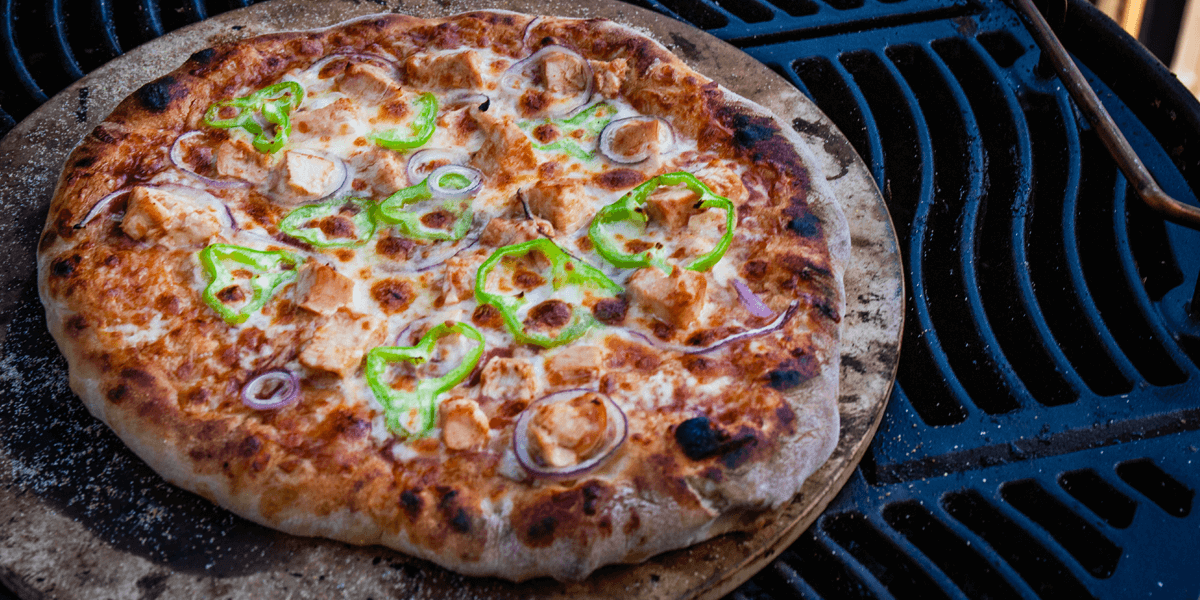
Imagine biting into a pizza with a perfectly crispy crust, bubbling cheese, and evenly cooked toppings, just like it came from your favorite pizzeria. For years, achieving that restaurant-quality pie at home felt like a distant dream, often requiring awkward maneuvers with a pizza peel or sacrificing consistency. But what if there was a game-changer? Enter the gas pizza oven with a rotating stone – a revolutionary appliance designed to bring professional-grade pizza making right to your backyard. This innovative oven takes the guesswork out of achieving that perfect bake, making it accessible for everyone, from seasoned pizzaiolos to weekend warriors.
The Genesis of Gastronomy: A Brief History of Pizza Ovens
The art of pizza making is deeply rooted in tradition, with early pizzas cooked in blazing hot, wood-fired brick ovens. These ovens delivered intense, radiant heat, creating the signature blistered crust and rapid cook times that define authentic Neapolitan pizza. However, traditional wood-fired ovens demand significant space, setup, and expertise in managing the fire. As home cooks sought to replicate this magic, gas-powered pizza ovens emerged as a more convenient and accessible alternative. They offered quick heating, precise temperature control, and a cleaner burn, paving the way for a new era of outdoor cooking. Yet, even with gas, one challenge remained: manually rotating the pizza for an even cook, a delicate dance often requiring a steady hand and keen eye to prevent one side from burning while the other lagged behind. The introduction of the rotating stone ingeniously solves this, marking a significant leap in home pizza oven technology.
What is a Gas Pizza Oven with Rotating Stone?
A gas pizza oven with a rotating stone is an outdoor cooking appliance that combines the high-heat capabilities of a gas-fired oven with the ingenious automation of a self-turning baking surface. Unlike conventional gas pizza ovens where you manually turn your pizza using a peel, these ovens feature a motorized pizza stone that slowly rotates during cooking. This continuous motion ensures that every part of your pizza is exposed to the intense, even heat emanating from the gas burner(s), eliminating hot spots and cold zones. Think of it as having an invisible assistant constantly perfecting your pie, allowing you to truly “launch it and forget it.” The core concept is simplicity meets precision, delivering a consistently superior result with minimal effort.
“The beauty of a rotating stone oven is its ability to democratize perfect pizza,” explains Chef Isabella Rossi, a renowned expert in Italian culinary arts. “It removes the intimidation factor of manual rotation, allowing anyone to achieve a beautifully cooked crust and evenly melted cheese every single time.”
Why Choose a Rotating Stone? Unbeatable Benefits for Home Pizza Makers
The rotating stone isn’t just a fancy feature; it’s a fundamental shift in how home pizza is made, offering a multitude of benefits:
- Unrivaled Even Cooking: This is the primary advantage. As the stone rotates, every inch of your pizza passes through the hottest zones of the oven, ensuring a uniform bake from edge to edge. Say goodbye to one side being charred while the other remains pale.
- Effortless Consistency: No more guessing games or frantic mid-cook adjustments. The automated rotation guarantees consistency, leading to predictable results batch after batch. This means less stress and more deliciousness.
- “Launch It and Forget It” Convenience: Perhaps the most liberating benefit. Once your pizza is launched onto the preheated rotating stone, you’re free to prepare your next pie, socialize, or simply enjoy the moment. The oven handles the rotation, freeing you from constant vigilance.
- Faster Cook Times with Superior Results: The high, consistent heat distribution facilitated by the rotating stone often means pizzas cook quicker, sometimes in as little as 90 seconds to a few minutes, while still developing that desired char and crispness.
- Expanded Culinary Versatility: While stellar for pizza, the even heat of these ovens also makes them fantastic for other high-heat cooking. You can perfectly sear steaks, roast vegetables, bake artisanal breads, or even prepare fish and desserts with remarkable uniformity.
Navigating the Market: Popular Types and Key Features
The market for gas pizza ovens with rotating stones is growing, offering various models designed to meet different needs. Understanding their key features is essential for making an informed choice:
- Size Matters: These ovens typically accommodate pizzas ranging from 12 to 16 inches. Larger stones (16 inches) offer more space for bigger pies or multiple smaller items, while smaller ones are often more portable.
- Burner Configurations: Many models utilize a powerful U-shaped burner, often positioned at the back or side, which wraps around the pizza for direct and indirect heat. Some advanced ovens incorporate dual burners, with one under the stone for consistent base heat and another in the oven dome for even top browning. Others feature multiple heat sources, including center flames and dedicated finishing flames, for precise heat management. The Halo Versa 16, for instance, uses dual burners, with an infrared burner for stone temperature and a back oven burner for convection heating.
- Portability vs. Stationary: Many gas pizza ovens with rotating stones are designed for outdoor use and portability, featuring foldable legs and often coming with carry bags for easy transport to picnics or tailgates. However, some larger, more robust models are meant to be a permanent fixture in your outdoor kitchen.
- Material and Construction Quality: Look for durable materials like stainless steel exteriors for weather resistance and cordierite or refractory ceramic stones for excellent heat retention and longevity. High-quality refractory stones, such as those used by Marana, can be six times more resistant to abrasion.
- Digital Temperature Control: Some cutting-edge models, like the Prokan Kano 16″, feature digital temperature displays and controls, allowing you to precisely set and monitor the oven’s internal heat, often reaching temperatures up to 896°F (480°C).
- Integrated Doors: While not all models have them, a door can help maintain consistent temperatures, especially on windy days, and can slightly alter the cooking environment for different pizza styles.
Your First Spin: A Step-by-Step Guide to Using Your Rotating Stone Pizza Oven
Getting started with your gas pizza oven with a rotating stone is surprisingly straightforward. Here’s a general guide:
- Assembly and Setup: Follow the manufacturer’s instructions carefully. This typically involves attaching legs, installing the chimney, placing the rotating stone mechanism, and connecting your propane tank securely. Ensure the oven is on a stable, heat-resistant surface away from flammable materials.
- Preheating is Key: Turn on the gas and ignite your oven. Set it to its highest temperature. Most ovens with a rotating stone will take 15-30 minutes to reach optimal cooking temperatures, often between 700°F and 950°F (370°C and 510°C). You’ll know it’s ready when the stone is incredibly hot. Using an infrared thermometer to check the stone’s surface temperature is highly recommended.
- Launch Your Masterpiece: Once the oven is preheated, dust your pizza peel lightly with flour or semolina. Carefully transfer your prepared pizza onto the peel. Open the oven door (if applicable) and smoothly slide the pizza onto the center of the rotating stone.
- Engage the Rotation: Activate the rotating stone feature. The stone will begin its slow, steady turn, ensuring even exposure to the flame.
- Monitor and Marvel: Keep an eye on your pizza. Depending on the oven’s temperature and your desired doneness, pizzas can cook in as little as 60-90 seconds for Neapolitan styles, or 3-5 minutes for New York-style pies. The rotating stone means you don’t need to manually turn it, but observe the crust browning and cheese bubbling.
- Retrieve and Enjoy: When your pizza has achieved that perfect golden-brown crust and melted, blistered cheese, use your pizza peel to gently slide it out of the oven. Transfer it to a cutting board, slice, and serve immediately!
Expert Tips for Pizza Perfection with a Rotating Stone
Even with the automation of a rotating stone, a few expert tips can elevate your pizza game:
- Dough is Paramount: High-heat ovens demand specific doughs. Opt for Neapolitan-style doughs that can withstand extreme temperatures and develop that desirable airy, chewy crust with leopard spots.
- Mind Your Toppings: Less is often more. Overloading your pizza can lead to uneven cooking and a soggy center. Distribute toppings evenly and ensure they are thinly sliced.
- Master Preheat Times: While the oven heats up quickly, the stone needs ample time to absorb and radiate heat. A properly preheated stone is crucial for a crispy bottom crust. Don’t rush this step!
- Don’t Overwork the Peel: With a rotating stone, your interaction with the pizza is minimal. Use your peel primarily for launching and retrieving, letting the oven do the rotating work.
- Practice Makes Perfect: Like any culinary endeavor, there’s a slight learning curve. Experiment with different dough recipes, topping combinations, and cook times to find your sweet spot.
Caring for Your Culinary Companion: Maintenance and Longevity
To ensure your gas pizza oven with a rotating stone provides years of delicious service, proper care is essential:
- Burn Off Residue: After each use, allow the oven to run at high heat for about 10-15 minutes. This will incinerate any leftover food bits on the stone, turning them into ash.
- Cool Down and Brush: Once the oven has completely cooled, use a stiff-bristled brush (not soap and water) to gently brush away any ash or stubborn carbonized bits from the pizza stone. Never submerge a hot pizza stone in water, as it can crack.
- Exterior Cleaning: Wipe down the stainless steel exterior with a damp cloth and mild detergent. For tougher grease, use a stainless steel cleaner.
- Protect from Elements: When not in use, always cover your outdoor pizza oven with a weather-resistant cover to protect it from rain, dust, and UV exposure. If your oven is portable, consider storing it indoors during harsh weather.
- Inspect Gas Lines: Periodically check the gas hose and connections for any signs of wear, cracks, or leaks.
- Motor Longevity: While modern rotating stone mechanisms are robust, be mindful of any unusual noises or sluggishness. If an issue arises, consult the manufacturer’s troubleshooting guide or customer support. Proper care generally prolongs the life of all components.
Frequently Asked Questions (FAQ)
Q: Are gas pizza ovens with rotating stones only for Neapolitan pizza?
A: Not at all! While they excel at Neapolitan-style pizzas due to high heat, the precise temperature control and even cooking make them fantastic for New York-style pizzas, thin and crispy Roman pizzas, and even deep-dish with minor adjustments. Many users report excellent results across various pizza styles.
Q: How long does it take for a gas pizza oven with a rotating stone to preheat?
A: Most models can reach their optimal cooking temperature (700°F – 950°F / 370°C – 510°C) within 15 to 30 minutes, though this can vary by model and ambient conditions. Always use an infrared thermometer to confirm the stone’s temperature before launching your pizza.
Q: Is it difficult to assemble a rotating stone pizza oven?
A: Generally, no. Most modern gas pizza ovens are designed for relatively easy assembly, often involving attaching legs, the chimney, and connecting the gas line. Comprehensive instruction manuals are typically provided to guide you through the process.
Q: Can I cook other foods in a gas pizza oven with a rotating stone?
A: Absolutely! The high, even heat is perfect for a variety of dishes beyond pizza. You can sear steaks, roast vegetables, bake fish, chicken wings, or even bread. Some models, like the Halo Versa 16, are specifically highlighted for their versatility in cooking other foods.
Q: How do I clean the rotating pizza stone?
A: The best way to clean your pizza stone is through pyrolysis, which is essentially self-cleaning at high temperatures. After cooking, let the oven run at maximum heat for 10-15 minutes to burn off any food residue. Once the oven cools completely, use a stiff brush to remove any ash. Avoid using soap and water on the stone, as it can absorb moisture and affect future cooks, or even cause cracking.
Embrace the Revolution of Home Pizza
The gas pizza oven with a rotating stone is more than just another kitchen gadget; it’s a culinary innovation that empowers home chefs to produce genuinely exceptional pizzas with unprecedented ease and consistency. By combining the convenience of gas with the genius of an automatically rotating stone, these ovens eliminate common frustrations and unlock a world of perfect crusts, beautifully melted cheese, and evenly cooked toppings. Whether you’re hosting a backyard pizza party or simply craving a personal masterpiece, embracing this technology will transform your home pizza-making experience. So, fire up your oven, prepare your favorite toppings, and get ready to experience the joy of truly effortless pizza perfection.