Imagine biting into a perfectly crisp, smoky-flavored pizza, made right in your backyard. For years, achieving that authentic pizzeria-quality crust at home seemed like a distant dream, especially for those looking to feed a crowd. But with the right Large Pizza Stone For Grill, that dream becomes a delicious reality. This essential tool transforms your outdoor grill into a high-temperature, brick-oven-like cooking environment, unlocking a new world of culinary possibilities beyond just burgers and hotdogs. If you’re ready to elevate your homemade pizza game and impress your guests, understanding how to harness the power of a spacious pizza stone on your grill is your next big step.
The Storied Journey of the Pizza Stone
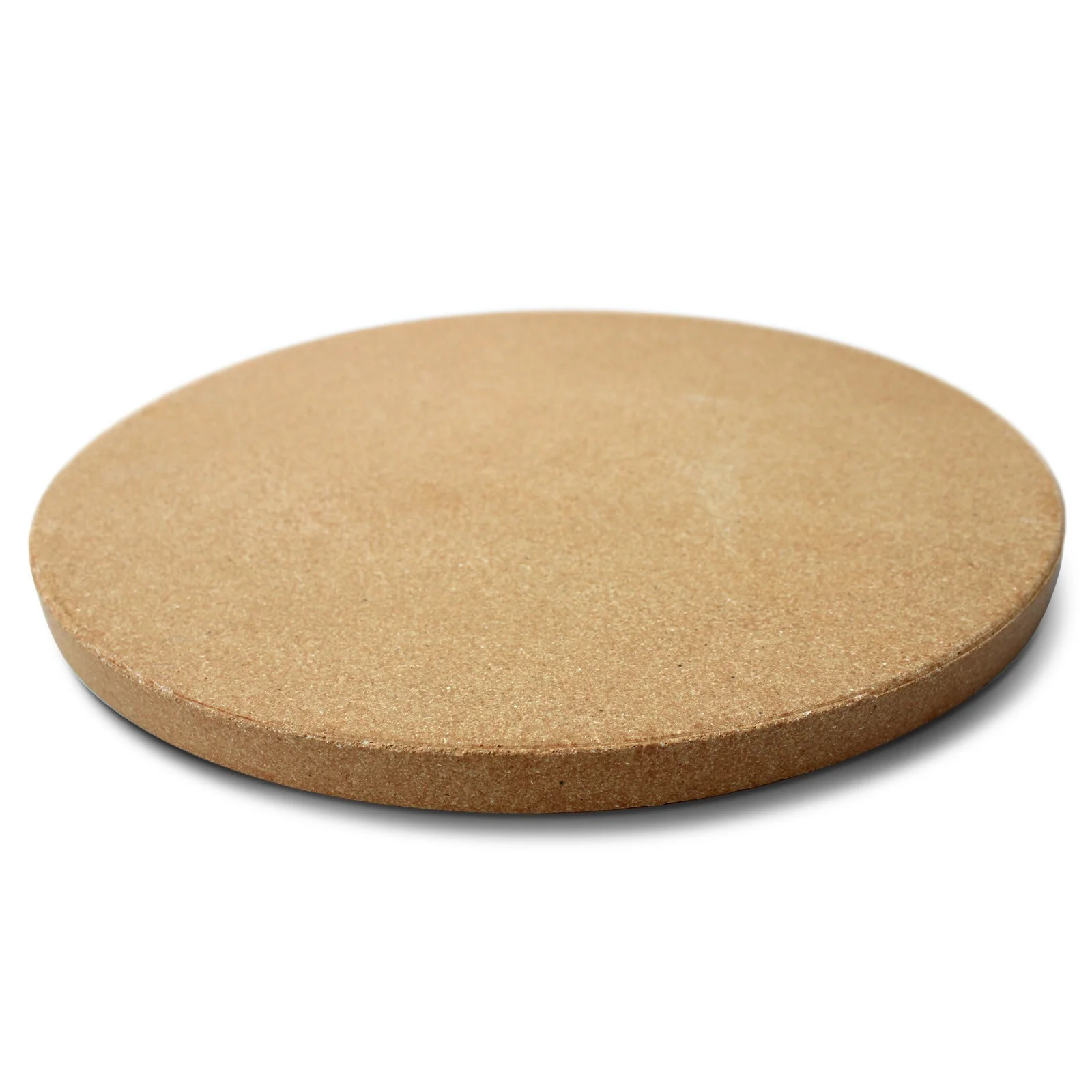
While the concept of baking on hot surfaces is ancient, the dedicated “pizza stone” as we know it is a more recent innovation in home cooking. Its purpose is simple yet profound: to mimic the intense, even heat of a traditional brick oven. Early versions of flatbreads and pizzas were often cooked directly on hot stones or in rudimentary ovens. Over time, as pizza evolved into the global phenomenon it is today, home cooks sought ways to replicate its authentic texture. This led to the development of ceramic, cordierite, and even soapstone slabs designed to retain and radiate high heat, creating that coveted crispy crust that makes pizza so irresistible. When adapted for the grill, this principle takes on an added dimension, infusing your creations with a unique smoky essence impossible to achieve indoors.
Decoding the Best Large Pizza Stone for Grill: Types and Traits
Not all pizza stones are created equal, especially when it comes to the extreme temperatures of a grill. When choosing a large pizza stone for grill, material and size are paramount.
Materials Matter: Built for the Heat
- Cordierite: This is often the top recommendation for grilling. Cordierite is a mineral known for its exceptional thermal shock resistance, meaning it can withstand rapid temperature changes without cracking—a common issue for lesser materials on a hot grill. It heats evenly and retains heat remarkably well, essential for a consistently baked crust.
- Ceramic: While common for oven use, standard ceramic stones can be more prone to cracking under the direct, intense heat fluctuations of a grill. If opting for ceramic, ensure it’s specifically rated as “grill-safe” by the manufacturer.
- Cast Iron: Though technically not a “stone,” cast iron pizza pans are a robust alternative, offering excellent heat retention and durability on the grill. They provide a different crust texture, often a bit chewier, but are virtually indestructible.
- Soapstone: Less common but highly effective, soapstone stones offer superb heat retention and a naturally non-stick surface once seasoned. They are also highly resistant to thermal shock.
Size and Fit: The Larger, The Better (with caution)
For a “large” pizza stone, you’re looking for ample surface area, typically 15 inches or more in diameter for round stones, or generously sized rectangular options. However, the most crucial consideration is that it fits your specific grill. Ensure there’s at least 2 centimeters of clearance on all sides between the stone and the grill walls to allow for proper airflow and heat circulation. This prevents heat from building up excessively in one spot, which could lead to an uneven cook or even damage your grill. A large stone allows you to make substantial pizzas, perfect for entertaining or for families who love their leftovers.
Your Step-by-Step Guide: How to Master a Large Pizza Stone on the Grill
Using a large pizza stone for grill isn’t complicated, but it does require adherence to a few key steps to ensure safety and superior results.
-
Choosing the Right Moment and Spot
Select a day with minimal wind, as strong gusts can make temperature control challenging. For gas grills, aim for indirect heat where possible, or balance the heat zones. For charcoal grills, arrange coals to create a hot zone and a slightly cooler zone if your stone doesn’t cover the entire grate.
-
The Cold Start: Crucial for Stone Longevity
Always place your pizza stone on a cold grill grate before turning on the heat. This is perhaps the most vital rule. Introducing a cold stone to a hot grill can cause thermal shock, leading to cracks or even shattering.
-
Preheat to Perfection: The Waiting Game
Close the grill lid and preheat your grill with the stone inside. Aim for a high temperature, ideally between 450°F and 550°F (230°C to 290°C). This preheating process should last at least 30 to 45 minutes, even longer if your grill struggles to reach high temperatures. The goal isn’t just for the grill’s ambient temperature to hit the mark, but for the stone itself to absorb and radiate intense heat. This extended preheat is what gives you that ultra-crispy crust.
-
Pizza Prep: The Indoor Stage
While your stone is preheating, prepare your pizza. Stretch your dough, add your sauce, cheese, and toppings. Be mindful not to overload it, especially for larger pizzas, as too many toppings can lead to a soggy center and longer cooking times. A metal pizza peel dusted generously with cornmeal or semolina is indispensable for transferring your pizza smoothly.
-
The Grand Transfer: Swift and Smooth
Once the stone is scorching hot, carefully open the grill lid. Give your pizza peel another light dusting of cornmeal or semolina, then gently slide your prepped pizza onto the center of the hot stone. Work quickly to minimize heat loss from the grill.
-
Grilling to Crispy Perfection: Lid Down
Immediately close the grill lid. The trapped heat will cook your pizza rapidly, mimicking a brick oven. Cooking times typically range from 5 to 10 minutes, depending on your grill’s temperature, crust thickness, and toppings. Keep an eye on it – you’re looking for a bubbly, golden-brown crust and melted, slightly caramelized cheese.
-
The Unveiling: A Masterpiece Awaits
Using your pizza peel, carefully slide the cooked pizza off the stone and onto a cutting board. Let it rest for a minute or two before slicing to allow the cheese to set and prevent toppings from sliding off.
Insider Secrets: Tips and Tricks for Your Best Grill Pizza Yet
Achieving truly spectacular results with your large pizza stone for grill involves more than just following steps; it’s about finessing the process.
- Temperature Control is Key: While high heat is desired, consistency is crucial. Avoid opening the grill lid too frequently, as this causes significant temperature drops. Use your grill’s thermometer and adjust burners/vents as needed. For charcoal, ensure an even bed of coals.
- Don’t Fear the Cornmeal: That dusting of cornmeal or semolina on your pizza peel is your best friend. It acts like tiny ball bearings, making it easy to slide your pizza onto the hot stone and preventing sticking.
- Less is More with Toppings: Especially when starting out, go easy on the toppings. Overloading a large pizza can make it difficult to transfer, increase cooking time, and lead to a less crispy crust.
- The Power of the Peel: Practice using your pizza peel with some plain dough beforehand. A confident, swift motion is key to a successful transfer.
- Pre-Cook Meats and Veggies: If using raw meats or dense vegetables like peppers and onions, consider pre-cooking them slightly before adding to your pizza. This ensures they cook through in the pizza’s relatively short grill time.
- Rotate for Evenness: If you notice one side of your pizza browning faster, a quick rotation (using your peel) halfway through cooking can help achieve an even bake, especially on larger grills with hot spots.
The Undeniable Benefits of a Large Pizza Stone for Homemade Pizza
Beyond the sheer joy of creating your own pizza, utilizing a large pizza stone for grill offers several distinct advantages:
- Unrivaled Crispy Crust: This is the cornerstone benefit. The stone absorbs moisture from the dough, preventing a soggy bottom and delivering that coveted crispy, slightly charred crust synonymous with authentic pizza.
- Smoky Flavor Infusion: Cooking on the grill imparts a unique smoky flavor profile that an indoor oven simply cannot replicate. It adds a delicious depth to your pizza that elevates the entire experience.
- Consistent, Even Baking: The stone’s ability to retain and distribute heat evenly across its surface eliminates hot spots and cold zones, ensuring your large pizza cooks uniformly from edge to center.
- Higher Temperatures = Faster Cook: Grills can often reach higher temperatures than conventional indoor ovens. This intense heat cooks pizzas rapidly, giving them that characteristic “oven spring” and perfectly cooked toppings without drying them out.
- Versatility Beyond Pizza: While perfect for pizza, your large stone can also be used for baking artisan breads, flatbreads, calzones, or even roasting vegetables, making it a versatile addition to your outdoor cooking arsenal.
As grilling enthusiast and culinary consultant, Chef Emilia Rossi, often states, “A large pizza stone on the grill isn’t just an accessory; it’s a gateway to outdoor culinary artistry. The combination of intense heat and smoky aroma creates a pizza experience that’s genuinely transformative for any backyard chef.”
Preserving Your Investment: Care and Maintenance for Your Pizza Stone
A well-cared-for large pizza stone for grill can last for many years. Proper maintenance is straightforward but essential.
- Slow Cool-Down is a Must: Never attempt to clean or move a hot pizza stone immediately after use. Leave it on the grill with the lid open (or closed, depending on your preference for heat dissipation) until it has completely cooled to room temperature. This gradual cooling prevents thermal shock and potential cracking.
- The Dry Clean Principle: Once cool, most residues can be scraped off with a stiff brush or a plastic scraper. For more stubborn bits, a damp cloth is acceptable. The golden rule: Never use soap, detergent, or immerse your pizza stone in water. Stones are porous and will absorb soap, leading to unpleasant flavors in future pizzas. Similarly, soaking in water can cause them to crack when heated again.
- Embrace the “Seasoning”: Don’t worry about stains or dark spots on your pizza stone; these are a sign of a well-used and “seasoned” stone. Over time, oils and residues bake onto the surface, creating a natural non-stick layer and enhancing its performance. A perfectly clean stone isn’t the goal.
- Storage: Once completely dry, store your large pizza stone in a dry place to prevent moisture absorption, which can also lead to cracking during reheating. Keep it protected from bumps and drops.
Frequently Asked Questions About Large Pizza Stones for Grills
Here are some common questions prospective grill masters ask about this game-changing accessory:
Q1: Can I use any pizza stone on my grill?
A1: No, not all pizza stones are suitable for grills. Standard ceramic stones can be prone to cracking from the grill’s intense direct heat and rapid temperature changes. Always look for a stone specifically labeled “grill-safe” or made from materials like cordierite or soapstone, known for their thermal shock resistance.
Q2: How do I prevent my large pizza from sticking to the stone?
A2: The best way to prevent sticking is to generously dust your pizza peel with cornmeal or semolina before placing your raw pizza dough on it. A light sprinkle on the preheated stone just before transferring can also help, but be quick to avoid burning.
Q3: What’s the ideal temperature for grilling pizza on a stone?
A3: For the best results, aim for a grill temperature between 450°F and 550°F (230°C to 290°C). The key is to let the stone itself reach and maintain these high temperatures, which requires preheating for 30-45 minutes.
Q4: How long does it take to cook a pizza on a grill with a pizza stone?
A4: Cooking times vary but typically range from 5 to 10 minutes. Factors include grill temperature, crust thickness, and the amount of toppings. Always monitor your pizza closely for a golden, bubbly finish.
Q5: How do I clean my large pizza stone after grilling?
A5: Allow the stone to cool completely on the grill. Then, scrape off any food residue with a stiff brush or plastic scraper. You can wipe it with a damp cloth, but never use soap or immerse it in water, as the stone will absorb them and impart unwanted flavors.
Q6: Can I use my large pizza stone for other foods on the grill?
A6: Absolutely! A large pizza stone is versatile. It’s excellent for baking artisan breads, flatbreads, calzones, and even roasting vegetables, offering a unique crispy texture and smoky flavor.
Your Backyard Pizzeria Awaits
Embracing a large pizza stone for grill is more than just buying a new kitchen gadget; it’s investing in an experience. It’s about transforming your backyard into an authentic pizzeria, where the aroma of bubbling cheese and smoky crust fills the air, and every slice is a testament to your culinary passion. From mastering the preheat to perfecting the peel slide, each step brings you closer to that elusive crispy, chewy, flavorful pizza that will have friends and family clamoring for more. So, fire up your grill, get that large pizza stone sizzling, and prepare to embark on a delicious journey that will forever change the way you think about homemade pizza. The art of grill-fired pizza is within your reach—go forth and create!