Have you ever savored a pizza from a traditional brick oven, that perfect crust with its irresistible crispness and subtle char, and wished you could replicate it at home? The secret to achieving that pizzeria-quality magic in your own kitchen lies with a remarkable tool: the Old Stone Oven Pizza Stone. This unassuming slab of material is your gateway to transforming ordinary homemade pizzas into extraordinary culinary delights, channeling the ancient art of stone baking right into your modern oven.
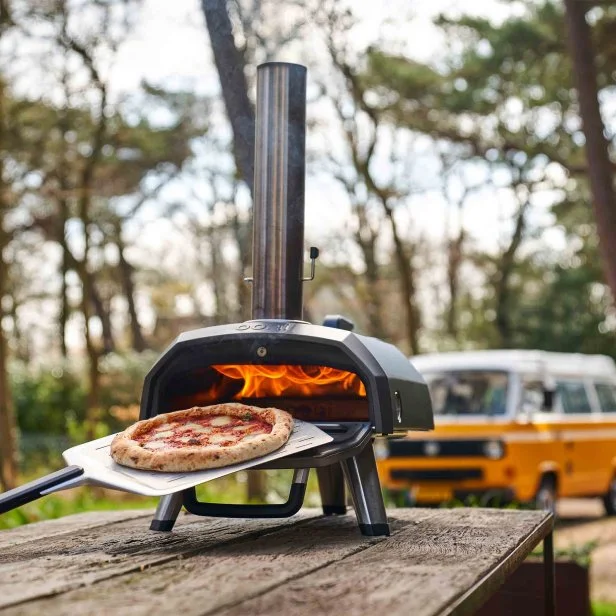
The Ancestry of the Pizza Stone: Mimicking Millennia of Baking
The concept behind the pizza stone isn’t new; it’s inspired by centuries-old baking traditions. Before modern ovens, cultures worldwide used hot stones or brick ovens to bake flatbreads and pizzas. These “old stone ovens” created an intensely hot, consistent, and dry cooking surface that instantly crisped the dough while the top cooked evenly. A pizza stone brings this fundamental principle to your home kitchen, absorbing and radiating heat in a way that regular metal baking sheets simply cannot match. It’s about creating a burst of high, dry heat that mimics the scorching floors of those revered brick ovens, ensuring a crust that’s truly out of this world.
Discovering Your Perfect Old Stone Oven Pizza Stone: Materials Matter
Not all pizza stones are created equal, and understanding the different materials can help you choose the best one for your pizza ambitions. Each type offers a unique baking experience:
Ceramic Pizza Stones
Ceramic stones, often made from various clays, are popular for their ability to heat evenly and produce wonderfully crisp crusts. They take a bit longer to heat up but retain that heat consistently, preventing the stone from cooling down when you launch your pizza. They are lighter than some alternatives, making them easier to handle. However, ceramic is susceptible to thermal shock, meaning sudden temperature changes can cause it to crack if not handled with care.
Cordierite Pizza Stones
Often considered a premium option, cordierite pizza stones are exceptionally durable and highly resistant to thermal shock, thanks to the mineral they’re made from—the same material used for kiln shelves. Cordierite excels at handling high temperatures and drawing moisture away from the dough, resulting in an exceptionally crispy crust. While they might be a bit more of an investment, their longevity and performance make them a favorite among serious home pizzaiolos.
Cast Iron Pizza Pans/Stones
While less common as traditional “stones,” cast iron baking pans offer incredible heat retention and virtually indestructible durability. They can withstand extremely high temperatures and are incredibly versatile, usable in the oven, on the stove, or even over an open flame. Cast iron requires a bit more care, including seasoning, but its robust nature and ability to deliver a beautifully charred crust make it a strong contender for those seeking an old stone oven experience.
Steel (Baking Steel)
Technically not a “stone,” a baking steel is a game-changer for many, offering superior heat conductivity and retention compared to ceramic or cordierite. Steels heat up faster and transfer heat more efficiently, delivering an incredibly crisp crust even at slightly lower oven temperatures. They are heavy and often more expensive, but for rapid-fire pizza making and ultimate crispness, a baking steel often stands out.
“Choosing the right pizza stone is like selecting the perfect canvas for your culinary masterpiece,” says Chef Antonio Rossi, a seasoned Italian chef and pizza enthusiast. “While cordierite offers a fantastic balance of durability and moisture-wicking properties for that classic ‘old stone oven’ feel, a good baking steel can give you an incredibly fast and crisp bake that rivals professional pizzerias.”
Your Step-by-Step Guide to Using an Old Stone Oven Pizza Stone
Ready to bake? Here’s how to unlock the full potential of your pizza stone:
How do I preheat an old stone oven pizza stone for the best results?
The preheating process is crucial for achieving that authentic crispy crust. Always place your cold old stone oven pizza stone into a cold oven. Position it on the lowest or middle rack. Then, crank your oven to its highest temperature, typically 500-550°F (260-290°C). Once the oven reaches temperature, let the stone preheat for an additional 45 to 60 minutes. This extended time allows the stone to fully absorb and radiate enough intense, even heat to perfectly cook your pizza.
Preparing Your Pizza for the Stone
While your old stone oven pizza stone is diligently preheating, get your dough ready. Ensure your pizza dough is at room temperature; cold dough hitting a hot stone can cause thermal shock and potentially crack the stone. Stretch your dough gently and place it on a pizza peel (a flat shovel-like tool with a handle) generously dusted with cornmeal or semolina flour. These coarser flours act like tiny ball bearings, helping the pizza slide effortlessly off the peel. Keep your toppings light to prevent a soggy center.
The Grand Transfer: Sliding Pizza onto the Hot Stone
This is often the most nerve-wracking part for beginners, but with a confident motion, it’s simple. Open your oven door, slide the tip of your well-dusted pizza peel near the back edge of the preheated old stone oven pizza stone. With a quick, decisive jerk, pull the peel back, allowing the pizza to smoothly slide onto the blazing hot surface. Close the oven door quickly to maintain heat. If you don’t have a peel, a rimless cookie sheet or a sturdy cutting board dusted with cornmeal can work, though you’ll need to pull the oven rack out slightly to facilitate the transfer.
Baking to Perfection
Your pizza will bake remarkably fast on an old stone oven pizza stone! Most pizzas are done in 5 to 10 minutes. Keep a close eye on it, rotating it halfway through if your oven has hot spots. You’re looking for a golden-brown, crispy crust and bubbly, melted cheese.
Retrieving Your Masterpiece
Once your pizza is perfectly baked, use your pizza peel or a sturdy metal spatula to slide the cooked pizza off the old stone oven pizza stone and onto a cutting board or cooling rack. Leave the stone in the oven to cool down naturally with the oven.
Pro Tips and Tricks for Your Old Stone Oven Pizza Stone
- Patience is a Virtue: Never, ever rush the preheating. That extended time is crucial for the stone to become a true “thermal battery.”
- Don’t Overload: Too many toppings weigh down the dough and release excess moisture, working against the stone’s ability to create a crispy crust.
- Cornmeal, Not Flour: While flour prevents sticking, it burns easily and can create an unpleasant taste and mess on your stone. Stick to cornmeal or semolina.
- Store It in the Oven: The oven is the best place to store your old stone oven pizza stone. It not only keeps it safe from accidental drops but also helps regulate oven temperature, making your oven more efficient for all your baking.
- Go for Thickness: Thicker old stone oven pizza stones retain heat better and are less prone to cracking due to temperature fluctuations, offering a more consistent bake.
The Undeniable Benefits of an Old Stone Oven Pizza Stone
Why bother with a pizza stone? The advantages are clear and truly elevate your homemade pizza game:
- Superior Crust: This is the primary benefit. The intense, direct heat from the stone quickly cooks the bottom of the dough, creating that coveted crispy, often slightly charred, and beautifully browned crust. It’s the closest you’ll get to a commercial brick oven.
- No More Soggy Bottoms: The porous nature of many pizza stones (especially ceramic and cordierite) draws moisture away from the dough as it bakes, eliminating that dreaded soggy middle.
- Faster Cooking Times: The high, consistent heat drastically reduces baking time, meaning you can serve up fresh pizzas in minutes.
- Enhanced “Oven Spring”: The immediate heat shock helps the dough rise rapidly, creating an airy, light, and perfectly puffed crust with those delightful bubbles.
- Versatility Beyond Pizza: Your old stone oven pizza stone isn’t just for pizza. It’s fantastic for baking artisan breads, baguettes, calzones, pita bread, cookies, and even roasting vegetables, all benefiting from that consistent, dry heat.
Caring for Your Old Stone Oven Pizza Stone: A Lifelong Companion
Proper care ensures your old stone oven pizza stone remains a cherished kitchen tool for years. It’s simpler than you might think, mainly focusing on what not to do.
Cleaning an Old Stone Oven Pizza Stone
- Cool Completely: Always allow your pizza stone to cool down completely inside the oven after use. Never expose a hot stone to cold water; the rapid temperature change (thermal shock) will likely cause it to crack or shatter.
- No Soap, Ever: Because pizza stones are porous, they will absorb soap or detergent, which can impart an unpleasant taste to future pizzas.
- Scrape and Brush: Once cool, use a stiff nylon brush, a plastic dough scraper, or a metal spatula (gently) to scrape off any burnt-on food, cheese, or dough bits.
- Damp Wipe: For stubborn spots, make a paste of baking soda and a little water. Apply it, let it sit briefly, then scrub with a brush and wipe clean with a damp cloth.
- Air Dry Thoroughly: Ensure your old stone oven pizza stone is completely air-dried before storing or using it again. Any trapped moisture can turn to steam and crack the stone during reheating.
- Embrace the Stains: Your stone will naturally darken and develop stains over time. This is perfectly normal, much like seasoning a cast iron pan, and does not affect its performance or flavor. Do not try to scrub away these “seasoning” marks.
- Avoid Oil: Never oil or “season” a ceramic or cordierite pizza stone. It will simply absorb the oil, which can then smoke and create an undesirable flavor.
Frequently Asked Questions About the Old Stone Oven Pizza Stone
Q: Do old stone oven pizza stones need to be seasoned?
A: Generally, ceramic and cordierite pizza stones do not need seasoning. They are porous and will absorb oils, which can lead to smoking and a burnt taste. Cast iron “pizza stones” or pans, however, do require seasoning like any other cast iron cookware.
Q: Can I put a frozen pizza on a hot old stone oven pizza stone?
A: No, it is strongly advised against placing a frozen pizza directly onto a blazing hot pizza stone. The extreme temperature difference will cause thermal shock, which is a common reason for stones to crack or break. Always let your pizza stone heat up with the oven from cold.
Q: How do I prevent my pizza from sticking to the old stone oven pizza stone?
A: The best way to prevent sticking is to liberally dust your pizza peel with cornmeal or semolina flour before placing your dough on it. This creates a non-stick barrier that helps the pizza slide onto the hot stone. Some stones also become naturally more non-stick over time with use.
Q: What is the ideal thickness for an old stone oven pizza stone?
A: Thicker pizza stones (typically 15 millimeters or more) are generally preferred because they have more thermal mass. This means they absorb and retain heat better, resulting in a more consistent bake and the ability to cook multiple pizzas without significant temperature drops.
Q: Can I use an old stone oven pizza stone on the grill?
A: Yes, many pizza stones, especially those made from cordierite or cast iron, are suitable for use on a grill. Always check the manufacturer’s instructions for your specific stone. The principles remain the same: place the cold stone on a cold grill and preheat it thoroughly to a high temperature before launching your pizza.
Embrace the Art of Homemade Pizza with Your Old Stone Oven Pizza Stone
The journey to crafting perfect homemade pizza is an exciting one, and the old stone oven pizza stone is your most reliable companion. It’s more than just a kitchen tool; it’s an investment in authentic flavor, crisp textures, and the joy of sharing restaurant-quality pizza with friends and family. By understanding its materials, mastering its use, and committing to proper care, you’ll unlock a world of culinary possibilities, creating pizzas that evoke the timeless taste of those traditional stone ovens. So go ahead, ignite your passion, get creative with your toppings, and let your old stone oven pizza stone transform your pizza nights forever!