There’s something uniquely satisfying about biting into a slice of homemade pizza, especially when the crust is perfectly crispy on the outside and wonderfully chewy on the inside. For years, home cooks dreamed of replicating that authentic pizzeria experience, often falling short with soggy bottoms or unevenly cooked dough. But what if I told you the secret to unlocking that coveted golden, blistered crust lies in a simple yet revolutionary kitchen tool? Enter the Pizza Baking Stone. This unassuming slab, a true game-changer for any aspiring pizzaiolo, transforms your standard home oven into a high-heat haven, promising a pizza experience that rivals your favorite take-out spot.
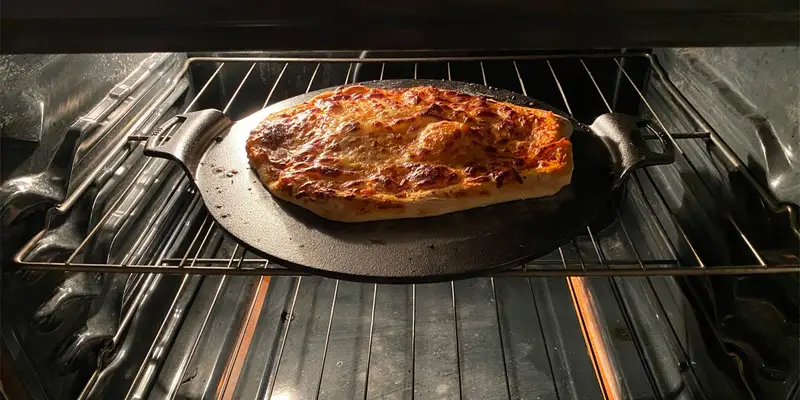
The Heart of Homemade Pizza: What is a Pizza Baking Stone?
At its core, a pizza baking stone is a special cooking surface designed to mimic the intense, even heat of a traditional brick oven. Imagine walking into a bustling Italian pizzeria; chances are, their glorious pies are emerging from an oven boasting incredibly high temperatures and a stone hearth. Our home ovens, while versatile, can’t quite match that raw power on their own. That’s where the baking stone steps in. Made from porous materials like ceramic or cordierite, a pizza stone acts like a heat battery, absorbing and retaining a tremendous amount of thermal energy. When your raw pizza hits this superheated surface, two magical things happen: first, an immediate burst of heat is transferred directly to the dough, kick-starting the crust’s rise and creating that desirable crispness. Second, the stone’s porous nature draws moisture away from the dough, preventing sogginess and ensuring a perfectly dry, firm base. It’s this one-two punch that makes all the difference, giving your pizza a foundation that’s both structurally sound and utterly delicious.
Beyond Basic: Popular Pizza Baking Stone Materials and Their Characteristics
When you embark on your journey to find the ideal pizza baking stone, you’ll discover a few key materials dominating the market, each with its own strengths. Understanding these differences can help you choose the perfect companion for your pizza adventures.
Cordierite: The Durable Workhorse
Cordierite is often considered the gold standard for pizza stones, and for good reason. This mineral-rich ceramic is incredibly durable and resistant to thermal shock – that dreaded cracking that can occur when a hot stone meets a cold surface. Cordierite stones can withstand exceptionally high temperatures, often up to 1450°F, making them suitable for not just home ovens but also outdoor grills. Their excellent heat retention and moisture-absorbing properties mean consistent, crispy crusts time after time. If you’re looking for a reliable, long-lasting pizza baking stone that can handle intense heat, cordierite is an outstanding choice.
Ceramic: The Classic Crisper
Traditional ceramic pizza stones, typically made from various clays, are fantastic at distributing heat evenly and creating wonderfully crisp crusts. They do an admirable job of retaining heat, ensuring your baking surface stays hot even after your dough is launched. Ceramic stones are generally lighter than some other options, making them easier to maneuver. However, they can be more susceptible to thermal shock and cracking if not handled with care, particularly regarding rapid temperature changes.
Cast Iron: The Versatile Heavyweight
While not a “stone” in the traditional sense, cast iron pizza pans or griddles offer a superb alternative with many similar benefits. Cast iron is virtually indestructible, resisting warping, cracking, and shattering. It boasts excellent heat retention and can be used not only in the oven but also on the stovetop or grill, adding to its versatility. The main difference is that cast iron requires seasoning, much like a good cast iron skillet, to maintain its non-stick properties and longevity. For those who value multi-purpose tools and extreme durability, a cast iron pizza baking stone equivalent is a strong contender.
Choosing the right material for your pizza baking stone depends on your priorities: durability, heat retention, ease of handling, and specific use cases like grilling. Each offers a path to superior homemade pizza.
Mastering the Heat: How to Use Your Pizza Baking Stone
Getting the most out of your pizza baking stone is all about understanding how it interacts with heat. Here’s a detailed guide to ensure your pizzas turn out perfect every time.
How long to preheat a pizza baking stone?
Preheating is crucial for a crisp crust. You should preheat your pizza stone for at least 30 to 60 minutes. Thicker stones will require closer to an hour to reach optimal temperature. This ensures the stone is saturated with heat, ready to deliver that immediate thermal shock to your dough.
What temperature should I bake pizza on a stone?
For best results, preheat your oven to its highest possible temperature, typically around 500°F (260°C) or even higher if your oven allows. This intense heat is key to replicating a professional pizza oven environment.
- Start Cold: Always place your clean, dry pizza baking stone into a cold oven. Position it on the middle or lower rack. This prevents thermal shock, which can cause the stone to crack, and allows the stone to gradually heat up with the oven.
- Preheat Thoroughly: Turn your oven to its highest setting, usually 500-550°F (260-290°C). Allow the oven and stone to preheat for at least 30 minutes, and ideally 45-60 minutes. The longer the preheat, the hotter your stone will be, and the crisper your crust will become.
- Prepare Your Pizza: While the stone preheats, assemble your pizza. Roll out your dough on a lightly floured surface or a piece of parchment paper. A wooden pizza peel dusted generously with cornmeal or semolina flour is your best friend here, as it helps the pizza slide easily. Add your sauce, cheese, and toppings.
- The Launch: Once your oven and stone are fully preheated, carefully transfer your pizza onto the hot pizza baking stone. If using a peel, give it a confident, swift slide. If using parchment paper, you can slide the entire paper with the pizza onto the stone.
- Bake to Perfection: Bake for 5-15 minutes, depending on your oven, pizza thickness, and desired crispness. Keep an eye on it! The stone’s direct heat cooks pizza much faster than a conventional baking sheet. Look for a golden-brown crust and bubbling, slightly charred cheese.
- Cool Down: Once baked, use your peel to remove the pizza from the oven. Leave the pizza baking stone inside the oven to cool down completely with the oven turned off. This gradual cooling process is vital for the stone’s longevity.
Pizzaiolo’s Secrets: Tips and Tricks for Perfect Pizza
Beyond the basic steps, a few expert tips can elevate your pizza baking stone experience from good to absolutely glorious.
- Room Temperature Dough is Key: For the best “oven spring” and an even cook, allow your pizza dough to come to room temperature before stretching and topping it. Cold dough can slightly reduce the stone’s surface temperature and bake less uniformly.
- Don’t Overload: While it’s tempting to pile on the toppings, less is often more, especially when using a pizza baking stone. Too many toppings can release excessive moisture, leading to a soggy center despite the stone’s best efforts. It can also weigh down the pizza, making transfer tricky.
- The Cornmeal Trick: Don’t skimp on the cornmeal or semolina flour on your pizza peel. This creates tiny ball bearings that allow your pizza to glide smoothly from peel to stone without sticking, saving you from pizza-launching disasters.
- Rotate for Evenness: Depending on your oven’s hot spots, you might find one side of your pizza browning faster than the other. If needed, halfway through baking, carefully rotate the pizza using your peel for an evenly cooked masterpiece.
- Get That Broiler Boost: For an extra crispy, slightly charred top, especially if your oven doesn’t get super hot, consider switching to the broiler for the last minute or two of baking. Watch it closely, as broiler heat is intense and can burn quickly.
“Using a pizza baking stone isn’t just about cooking; it’s about connecting with the age-old art of pizza making,” says Chef Leo Moretti, a renowned artisan baker. “The stone provides that essential blast of heat that mimics a wood-fired oven, creating a crust that truly sings.”
Why a Pizza Baking Stone? The Undeniable Benefits for Home Bakers
So, why go through the extra step of using a pizza baking stone? The benefits are clear and will undoubtedly transform your homemade pizza game.
- Superior Crust Texture: This is the primary reason. The intense, direct heat from the stone creates an incredibly crispy, often bubbly, exterior on your crust, while the interior remains wonderfully soft and chewy. Say goodbye to pale, lifeless pizza bases.
- No More Soggy Bottoms: The stone’s porous surface efficiently wicks away moisture from the dough as it bakes. This prevents the dreaded “soggy bottom” that often plagues pizzas cooked on standard metal trays, ensuring a firm foundation for your toppings.
- Even Cooking: Unlike a metal pan that can have hot and cold spots, a properly preheated pizza baking stone radiates consistent, uniform heat across the entire surface of your pizza, leading to a more evenly cooked pie from edge to center.
- Faster Baking Times: The sheer thermal mass of a pizza stone means it holds a lot of heat, which it rapidly transfers to your pizza. This results in quicker cooking times compared to baking on a cold tray, getting your delicious pizza to the table faster.
- Versatility Beyond Pizza: While “pizza” is in the name, a pizza baking stone is a fantastic tool for a variety of other baked goods. Think artisan breads, focaccia, tortillas, or even reheating leftover pizza to restore its original crispness. It’s a true multi-tasker in the kitchen.
Preserving Your Perfection: Care and Maintenance for Your Pizza Baking Stone
A well-cared-for pizza baking stone can last for years, becoming a cherished part of your kitchen arsenal. Proper cleaning and maintenance are simple, but crucial.
How to clean a pizza baking stone?
Cleaning a pizza stone is straightforward and doesn’t involve harsh chemicals or excessive scrubbing. The key is patience and gentle care.
Can I wash my pizza stone with soap?
Absolutely not! Never use soap on a pizza baking stone. Its porous nature means it will absorb the soap, and your future pizzas will carry an unpleasant, soapy flavor. Stick to water and a brush.
- Cool Down Completely: This is perhaps the most important rule. After use, turn off your oven and allow the pizza baking stone to cool down completely inside the oven. Attempting to clean a hot stone or exposing it to cold water can cause thermal shock, leading to cracks or even shattering.
- Scrape Off Debris: Once the stone is at room temperature, use a stiff nylon brush or a plastic scraper to gently remove any stuck-on food particles, cheese, or charred bits. Avoid metal utensils, as these can scratch and damage the stone’s surface.
- Wipe Clean: If necessary, wipe the stone with a slightly damp cloth. Avoid submerging the stone in water or allowing it to soak, as it can absorb too much moisture, which could lead to cracking during its next use.
- Air Dry Thoroughly: After wiping, allow the stone to air dry completely before storing it. Any residual moisture can cause problems later.
- Embrace the Stains: Over time, your pizza baking stone will darken and develop stains. This is perfectly normal and a sign of a well-loved stone! These stains will not affect the stone’s performance or the flavor of your pizza. Think of them as battle scars of deliciousness. For stubborn baked-on stains, a paste made from baking soda and a little water can be gently scrubbed on and then wiped clean.
- No Seasoning Needed: Unlike cast iron, a pizza baking stone does not need to be oiled or seasoned. Adding oil can cause it to smoke or develop an unpleasant odor when heated. A natural “seasoning” develops over time through regular use.
- Proper Storage: Store your pizza baking stone in a flat, dry place, or simply leave it in your oven (preferably on the bottom rack). If storing it in a cabinet, ensure no heavy items are placed on top of it, which could cause breakage.
Pizza Stone vs. Baking Steel: A Quick Look
While this guide focuses on the pizza baking stone, it’s worth a quick mention of its popular counterpart, the baking steel. Both aim to achieve a crispy crust, but they do it with slightly different strengths. A baking steel, made of solid steel, conducts heat much faster and retains even more heat than a stone. This means steels can often produce a crispier, more charred crust in a shorter amount of time, and they are virtually indestructible against thermal shock. However, stones, with their porous nature, are exceptional at drawing moisture from the dough, contributing to a unique crispness that many pizzaiolos adore. Stones also offer a slightly more “tempered” heat transfer, which some bakers prefer for certain types of bread. Ultimately, both are excellent tools, with the pizza baking stone providing a classic, reliable path to perfect homemade pizza with its distinct moisture-wicking properties and even heat.
Your Journey to Pizza Perfection Starts Now
The pizza baking stone is more than just a kitchen accessory; it’s an investment in your culinary passion, a tool that empowers you to elevate your homemade pizza from good to truly exceptional. From its historical roots in replicating brick-oven magic to its modern-day versatility, this trusty slab offers a pathway to crispy crusts, evenly cooked toppings, and an authentic flavor profile you might have thought was only achievable at your favorite pizzeria. By understanding its materials, mastering its use, and committing to simple care, you’ll ensure your pizza stone remains a faithful companion for countless delicious meals. So, embrace the heat, experiment with your favorite recipes, and prepare to delight friends and family with pizzas that boast that unmistakable crunch and flavor. Your journey to pizza perfection, with the humble yet mighty pizza baking stone at its heart, is just beginning!