Imagine biting into a slice of pizza with a perfectly crisp crust, evenly cooked toppings, and that delightful smoky char you usually only find at your favorite pizzeria. For years, home pizza makers have chased this elusive dream, often battling unevenly cooked bases and perpetually rotating their pizzas with peels. Enter the Pizza Oven Rotating Stone, a game-changing innovation that promises to revolutionize your homemade pizza experience. This isn’t just another kitchen gadget; it’s a strategic upgrade that brings true pizzeria-quality results right to your backyard or kitchen.
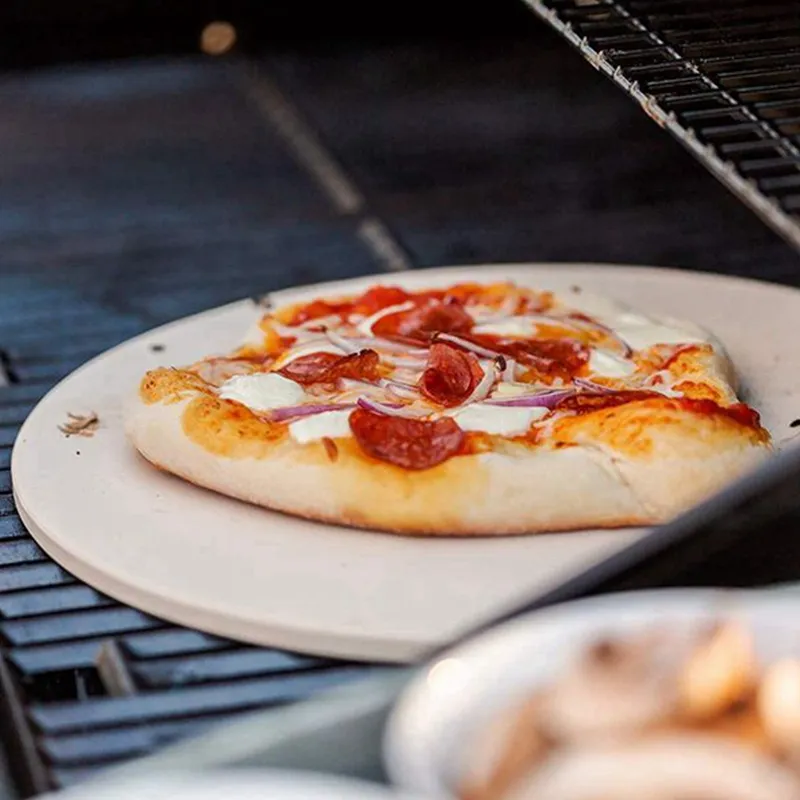
The Evolution of the Pizza Stone: From Static to Spinning
The journey to perfect homemade pizza began with the traditional pizza stone. These flat slabs, typically made from ceramic or cordierite, were designed to mimic the intense, even heat of a brick oven. By absorbing and retaining high temperatures, they provided a hot surface to rapidly cook the dough from below, helping to create a crispier crust than a standard metal baking sheet. However, even with a static pizza stone, home cooks often faced a common challenge: uneven cooking. Ovens, especially outdoor pizza ovens with a single heat source, inevitably have hotter spots, leading to one side of the pizza cooking faster than the other. This necessitated constant vigilance and manual rotation with a pizza peel, a delicate dance that could easily go awry, leading to burnt edges or undercooked centers.
The pizza oven rotating stone emerged as the ingenious solution to this age-old problem. By continuously spinning the pizza throughout the cooking process, it ensures every inch of the crust and every topping receives uniform heat exposure, eliminating the need for manual intervention and taking the guesswork out of achieving that coveted, consistent bake.
Unveiling the Magic: How a Pizza Oven Rotating Stone Works
At its heart, a pizza oven rotating stone is a dedicated cooking surface, often crafted from high-quality cordierite, that sits within a specialized pizza oven. What sets it apart is its ability to rotate, either manually or, more commonly, with a small, integrated motor. As the oven preheats to blistering temperatures—often reaching 900-1000°F (500°C)—the stone absorbs and stores this intense heat. When you launch your pizza onto the stone, the rotation begins, slowly and steadily turning your creation.
This continuous movement means that no single part of your pizza lingers in a hotspot or a colder zone for too long. Instead, the entire pizza is exposed to a consistent thermal environment, ensuring an even distribution of heat from the oven’s powerful burners. The result? A perfectly uniform bake, from the crust to the toppings, every single time.
“A rotating stone is like having an extra set of expert hands in your oven,” explains Chef Isabella Rossi, a renowned pizzaiola and culinary innovator. “It takes the variability out of high-heat cooking, letting you focus on the art of your pizza, not the mechanics of turning it.”
Why Every Home Pizzaiolo Needs a Rotating Stone
Investing in a pizza oven rotating stone isn’t just about convenience; it’s about elevating your pizza game to professional levels.
Effortless Perfection: No More Manual Turning
The most immediate and obvious benefit is the elimination of manual turning. Gone are the days of fumbling with a pizza peel, risking a mishap that could ruin your masterpiece. With an auto-rotating stone, you simply launch your pizza, and the oven handles the rest. This hands-free approach frees you to prepare the next pizza or simply relax and enjoy the moment with your guests.
Uniformly Cooked Crust and Toppings
Traditional pizza ovens, even excellent ones, can have subtle hot and cold spots. A stationary stone can lead to a crust that’s perfectly charred on one side and slightly underdone on the other. The rotating stone ensures that every portion of your pizza spends an equal amount of time exposed to the most intense heat, resulting in a beautifully consistent, golden-brown crust and perfectly melted, uniformly cooked toppings.
Speed and Efficiency
Many pizza ovens featuring rotating stones are designed for rapid cooking, often delivering a fully baked pizza in as little as 60 to 90 seconds. This efficiency is further enhanced by the stone’s ability to maintain a consistent temperature even when cooking multiple pizzas back-to-back. The even heat distribution and precise temperature control also contribute to shorter overall cooking times and reduced energy consumption.
Enhanced Crispy Crust
The materials used for rotating stones, particularly cordierite, are highly porous. This porosity allows the stone to absorb excess moisture from the pizza dough as it bakes, which is crucial for achieving that desirable crispy bottom crust. Combined with the direct, intense, and evenly distributed heat, you’re guaranteed a crust that’s both airy and audibly crisp.
Versatility Beyond Pizza
While their name highlights their primary function, pizza oven rotating stones often offer surprising versatility. Many modern pizza ovens with rotating stones are capable of reaching variable temperatures and distributing heat efficiently, making them suitable for cooking a range of other dishes. Think perfectly seared steaks, roasted vegetables, artisanal breads, or even baked desserts and seafood. This makes your pizza oven a valuable outdoor cooking companion for more than just pizza nights.
Choosing Your Perfect Rotating Companion: Types and Materials
When considering a pizza oven rotating stone setup, understanding the materials and oven types is crucial.
Cordierite
Cordierite is by far the most popular choice for pizza stones, including rotating ones. This mineral-rich ceramic is renowned for its exceptional durability and resistance to thermal shock, meaning it can withstand the extreme temperature fluctuations of a high-heat pizza oven without cracking. Its porous nature is also key to drawing moisture from the dough, resulting in an impeccably crisp crust. Cordierite stones absorb and retain heat remarkably well, ensuring a consistent cooking surface.
Ceramic
Standard ceramic stones also offer good heat absorption and distribution, contributing to evenly cooked, crispy crusts. However, they can be more susceptible to chipping or cracking from sudden temperature changes or physical impact compared to cordierite.
Steel
While baking steels are highly favored for their rapid heat conduction and ability to create a super crisp crust at slightly lower temperatures, they are less commonly found as integrated rotating stones within dedicated pizza ovens. Steel is exceptionally durable and non-porous, meaning it cleans up easily, but for rotation, cordierite often strikes a better balance of heat performance and the benefits of moisture absorption.
Oven Types
Most pizza oven rotating stones are found in dedicated outdoor pizza ovens. These typically come in two main fuel types:
- Gas-Fired: These ovens are often powered by liquid propane and offer quick heat-up times and precise temperature control. Many models feature a powerful gas burner and a battery-operated rotating cordierite stone. They are highly portable and convenient.
- Multi-Fuel: Some advanced models offer the flexibility of both gas and wood or pellet fuel options, allowing you to choose between the convenience of gas and the authentic flavor of wood fire.
Mastering Your Rotating Pizza Stone: Tips and Tricks
Even with the intelligence of a rotating stone, a few tips can ensure you consistently achieve pizza perfection.
Preheating is Key
No matter how advanced your oven, adequate preheating is paramount. Allow your pizza oven rotating stone to preheat for at least an hour, or even longer, to ensure it reaches and maintains the desired temperature throughout. This deep, even heat within the stone is what creates that instant crisp on your pizza’s base.
Launch with Confidence
A common pitfall is pizza sticking to the peel during launch. Ensure your pizza peel is well-floured (or semolina-dusted) and that your dough isn’t too wet. A quick, decisive slide is better than a slow, hesitant push. If you’re using an oven with an automatic rotating stone, it’s generally best to activate the rotation before launching the pizza [cite: 2, search 5].
Monitor, Don’t Micromanage
The beauty of the rotating stone is that it largely eliminates the need for constant supervision. Trust the rotation to do its job. However, it’s still good practice to occasionally peek through the oven’s opening to observe the crust browning and cheese bubbling. An infrared thermometer is an excellent tool for accurately gauging the stone’s surface temperature.
Temperature Management
While the oven will aim for consistent heat, always monitor the built-in thermometer. For Neapolitan-style pizzas, you’ll want high heat (around 900°F / 500°C), while other styles might benefit from slightly lower temperatures for a longer cook. Many rotating ovens offer variable temperature control [cite: 2, search 2].
Dough and Topping Considerations
Keep your dough relatively thin, especially for high-heat ovens, to prevent the outside from burning before the inside cooks through. Resist the urge to overload your pizza with toppings, as too much moisture can hinder crisping and lead to sticking [cite: 3, search 2].
“Patience is your secret ingredient,” advises Chef Rossi. “Allowing your stone to fully saturate with heat and trusting the oven’s design means you’re creating the perfect environment for that authentic, crispy crust without lifting a finger.”
Keeping Your Stone Pristine: Care and Maintenance
Proper care extends the life of your pizza oven rotating stone and ensures consistent performance.
Cleaning After Use
For most ceramic and cordierite stones, direct washing with soap and water is a no-go. These porous materials absorb liquids, which can cause them to crack when rapidly heated again. Instead, allow your stone to cool completely. The high heat from cooking will usually carbonize any food residue. Once cool, simply scrape off any stubborn bits with a non-metallic scraper or stiff brush, then wipe with a damp cloth. Many recommend running the oven at high temperatures after use (with good ventilation) to burn off residue.
Avoiding Soap and Oils
Steer clear of soap on porous stones. For metallic rotating plates (less common but possible), soap and water are fine, but re-seasoning may be required to maintain their non-stick surface and prevent rust. Avoid oiling or seasoning ceramic/cordierite stones, as they will simply absorb the oil, which will then burn during the next use.
Storing Your Stone
If your rotating stone is removable, store it in a dry, safe place where it won’t be easily chipped or dropped. Many portable pizza ovens come with covers to protect the entire unit, including the stone, from the elements.
Frequently Asked Questions
How long does it take for a pizza oven rotating stone to heat up?
Most dedicated pizza ovens with rotating stones can reach optimal cooking temperatures (700-950°F / 370-500°C) within 15-30 minutes, but it’s recommended to preheat the stone for at least an hour to ensure it’s fully saturated with heat for the best results [cite: 3, search 2].
Can I use a rotating pizza stone in a regular home oven?
Rotating pizza stones are typically integrated into dedicated pizza ovens, which are designed to reach much higher temperatures than conventional home ovens. It’s generally not feasible or recommended to use a standalone rotating mechanism with a standard home oven’s pizza stone.
What’s the best way to clean a cordierite rotating pizza stone?
Allow the stone to cool completely. Scrape off any burnt-on residue with a non-metallic scraper or stiff brush. You can also run the oven at its highest temperature for a period to carbonize stubborn bits, then brush them away once cool. Avoid using soap and water directly on porous cordierite stones.
Is a rotating pizza stone worth the investment?
For home pizza enthusiasts seeking consistent, perfectly cooked pizzas without the hassle of manual turning, a pizza oven rotating stone is widely considered a worthwhile investment. It significantly enhances the ease of use and quality of homemade pizzas [cite: 2, search 2].
Does the rotation affect how crispy the crust gets?
Yes, the continuous rotation ensures that the entire bottom crust is exposed evenly to the intense heat of the stone, promoting uniform moisture evaporation and browning, which directly contributes to a consistently crispy crust all around.
Elevate Your Pizza Game
The pizza oven rotating stone is more than just a component; it’s a testament to how culinary innovation can simplify complex techniques and deliver exceptional results. It transforms the art of pizza making from a demanding chore into an effortless pleasure, empowering you to consistently craft pizzas that rival your favorite pizzerias. So, ignite your passion, experiment with flavors, and let the rotating stone do the hard work. Get ready to experience the joy of truly perfect pizza, right in your own backyard!