If you’ve ever dreamt of crafting pizzeria-quality pies right in your own kitchen, you’ve likely encountered the secret weapon that separates the good from the truly great: the Pizza Oven Stone Base. This isn’t just another kitchen gadget; it’s a foundational tool that fundamentally changes how your pizza cooks, promising that coveted crispy crust and perfectly melted cheese every single time. It’s about bringing the magic of a traditional brick oven into your home.
The Ancient Roots of Perfectly Baked Bread
The concept behind the pizza oven stone base isn’t new at all. For millennia, bakers have understood the power of radiant heat from hot stones to cook bread and flatbreads evenly and efficiently. From ancient hearths to communal village ovens, a hot, stable surface has always been key to achieving that ideal bake. Modern pizza stones carry on this tradition, translating the principles of those old-world ovens directly into your home oven, acting as a crucial component for any aspiring pizzaiolo.
What Exactly is a Pizza Oven Stone Base?
At its heart, a pizza oven stone base is a slab of material designed to absorb and retain intense heat, mimicking the floor of a professional pizza oven. When you place a pizza on this superheated surface, it immediately transfers its stored thermal energy to the dough. This rapid heat transfer is what causes the crust to “spring” and crisp up almost instantly, preventing sogginess and giving your pizza that characteristic chewy interior and delightful crunch.
Why is rapid heat transfer so important for pizza?
Rapid heat transfer is crucial because it quickly sets the crust, creating structure and preventing the dough from becoming dense or gummy. It ensures the bottom cooks at the same pace as the top, resulting in a balanced and perfectly cooked pizza.
Exploring the Popular Types of Pizza Oven Stone Bases
Not all stone bases are created equal. Each material offers a unique set of characteristics that can influence your pizza-making experience. Understanding the differences will help you choose the best pizza oven stone base for your needs.
- Ceramic (Clay) Pizza Stones: These are often the most traditional and budget-friendly option. They excel at absorbing moisture from the dough, leading to a wonderfully crispy crust. However, they can be more susceptible to thermal shock, meaning rapid temperature changes (like placing a cold stone into a hot oven, or vice-versa) can cause them to crack.
- Cordierite Pizza Stones: Often considered the workhorse of pizza stones, cordierite is a mineral used in kilns and is renowned for its exceptional durability and resistance to thermal shock. This makes it a fantastic choice for home bakers who want a reliable stone that can handle high temperatures and frequent use without cracking. It also boasts excellent heat retention.
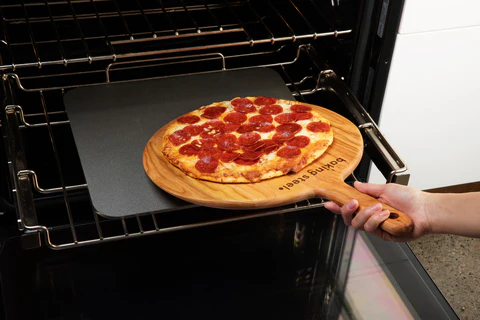
- Pizza Steels: While not a “stone,” pizza steels are a powerful alternative that has gained significant popularity. Made from thick carbon steel, they conduct heat much faster and retain it more effectively than traditional stones. This means even quicker cooking times and an even crispier crust, often achieving results closer to a professional oven. However, they tend to be heavier and more expensive.
“Choosing the right material for your pizza oven stone base is like choosing the right flour for your dough – it profoundly impacts the final product. Cordierite offers an excellent balance of durability and performance for most home cooks,” advises Chef Isabella Rossi, a renowned pizzaiola and culinary instructor.
Your Step-by-Step Guide to Using a Pizza Oven Stone Base
Using a pizza oven stone base effectively is simpler than you might think, but a few key steps will ensure perfect results every time.
- Place the Stone: Always place your pizza oven stone base in a cold oven. Position it on the middle or lower rack, depending on your oven and desired crust browning.
- Preheat Thoroughly: This is arguably the most crucial step. Preheat your oven with the stone inside to its highest possible temperature (usually 500-550°F or 260-290°C) for at least 45 minutes to an hour. The stone needs ample time to absorb and stabilize at that extreme heat.
- Prepare Your Pizza: While the oven and stone are preheating, assemble your pizza on a lightly floured or cornmeal-dusted pizza peel. This preparation ensures the pizza slides off easily.
- Launch the Pizza: Once the oven is fully preheated, carefully open the oven door. With a swift, confident motion, slide the pizza from the peel onto the hot pizza oven stone base.
- Bake to Perfection: Close the oven door quickly to minimize heat loss. Bake your pizza for 5-10 minutes, or until the crust is golden brown and the cheese is bubbly and slightly charred.
- Remove and Enjoy: Using the pizza peel, carefully slide the cooked pizza off the stone and onto a cutting board. Let it cool for a minute or two before slicing and serving.
Essential Tips and Tricks for a Perfect Pizza
Beyond the basic steps, a few insider secrets can truly elevate your pizza-making game with a pizza oven stone base.
- Dough Matters: A great pizza starts with great dough. Experiment with different recipes, paying attention to hydration levels. A slightly wetter dough often yields a crispier crust.
- Don’t Overload: Resist the urge to pile on too many toppings. Overloading can make your pizza soggy and prevent the crust from cooking through properly. Less is often more.
- Cornmeal for Launching: A generous dusting of cornmeal or semolina flour on your pizza peel creates tiny ball bearings that help your pizza slide effortlessly onto the hot stone.
- Rotate if Needed: If your oven has hot spots, you might notice one side of your pizza browning faster. A quick, careful rotation halfway through baking can ensure an even cook.
- Practice Makes Perfect: Don’t get discouraged if your first few attempts aren’t flawless. Pizza making is an art and a science, and every oven is different. Learn from each bake!
The Undeniable Benefits of Using a Pizza Oven Stone Base for Home Pizza
Investing in a pizza oven stone base isn’t just about making pizza; it’s about transforming your home cooking experience.
- Unrivaled Crispy Crust: This is the primary draw. The intense, direct heat from the stone rapidly crisps the bottom of the dough, preventing the dreaded soggy middle.
- Even Cooking: The stone radiates heat consistently, ensuring your pizza cooks evenly from edge to center, unlike baking sheets that can have hot and cold spots.
- Faster Baking Times: Because the stone is superheated, your pizza will cook much faster, often in under 10 minutes, mirroring the speed of a professional oven.
- Authentic Pizzeria Taste: The combined effect of high heat and rapid cooking imparts that smoky, brick-oven flavor and texture that’s hard to achieve otherwise.
- Versatility: Beyond pizza, a pizza oven stone base is excellent for baking bread, focaccia, tortillas, and even reheating leftovers, giving them a fresh, crispy texture.
How to Care for Your Pizza Oven Stone Base for Longevity
A well-maintained pizza oven stone base can last for years, becoming a cherished part of your kitchen. Proper care is key.
- Allow to Cool Completely: Never attempt to clean a hot stone. Always let your pizza stone cool down inside the oven naturally after baking. Rapid cooling can cause thermal shock and cracking.
- Scrape Off Excess Food: Once cool, use a stiff brush or a metal spatula to gently scrape off any stuck-on food bits or burnt cheese.
- Avoid Soap: Soap can soak into the porous material of a stone, imparting an unpleasant flavor to future pizzas. A cordierite pizza oven stone base is especially good at resisting flavors, but generally, stick to water.
- Use Water Sparingly (If at all): For most stones, a damp cloth to wipe off crumbs is sufficient. If absolutely necessary for a stubborn stain, you can rinse it with plain hot water, but ensure it’s completely dry before its next use.
- Dry Thoroughly: Moisture can cause steam and cracking in a hot oven. If you do rinse your stone, place it back in a cold oven and let it air dry completely, or even run the oven at a low temperature for a bit to ensure all moisture evaporates.
- Don’t Worry About Stains: Your pizza stone will darken and develop a seasoned patina over time. These stains are normal and actually improve the stone’s non-stick properties and heat performance. Think of them as battle scars of deliciousness!
Frequently Asked Questions About Pizza Oven Stone Bases
How hot should I preheat my pizza oven stone base?
You should preheat your pizza oven stone base at your oven’s highest temperature, typically between 500-550°F (260-290°C), for at least 45 minutes to an hour to ensure it’s thoroughly heated through.
Can I use parchment paper on a pizza stone?
While you can, it’s generally not recommended. Parchment paper can prevent the direct contact between the dough and the hot stone, which is crucial for achieving that signature crispy crust.
My pizza is sticking to the stone. What am I doing wrong?
Sticking usually occurs if the stone isn’t hot enough, if there isn’t enough flour or cornmeal on your peel, or if you’re taking too long to launch the pizza, allowing the dough to absorb moisture from the peel.
How do I store my pizza oven stone base?
Many people leave their pizza oven stone base in the oven permanently, as it can help regulate oven temperature. If you prefer to remove it, ensure it’s completely cool and dry, then store it flat in a safe place where it won’t be dropped or knocked.
Is a pizza steel better than a pizza stone?
“Better” depends on your preference! Pizza steels heat faster and achieve a crispier crust due to higher thermal conductivity. Pizza stones offer excellent moisture absorption and a more traditional bake. If you prioritize speed and extreme crispiness, a steel might be for you; for classic results and thermal shock resistance, a good cordierite pizza oven stone base is a fantastic choice.
Unleash Your Inner Pizzaiolo
The journey to perfect homemade pizza is an exciting one, and the pizza oven stone base is your steadfast companion. It’s more than just a piece of bakeware; it’s an invitation to experiment, to share, and to savor the simple joy of creating something truly delicious from scratch. So go ahead, dust off your flour, choose your toppings, and get ready to transform your kitchen into your very own pizzeria. With a properly used and cared-for pizza oven stone base, that perfect, crispy-crusted pizza is not just a dream—it’s your next meal.