There’s a special kind of joy that comes from biting into a perfectly crafted pizza, with its crispy crust, bubbling cheese, and flavorful toppings. While restaurant pizzas often set the bar high, achieving that authentic, pizzeria-quality experience right in your own kitchen is entirely possible with one essential tool: the Pizza Stone. A pizza stone transforms your home oven into a high-performance pizza-making machine, bringing a touch of professional culinary magic to your culinary adventures. It’s not just for pizza, though; this versatile tool opens up a world of baking possibilities, from rustic breads to perfectly roasted vegetables.
The Ancestral Roots of the Pizza Stone
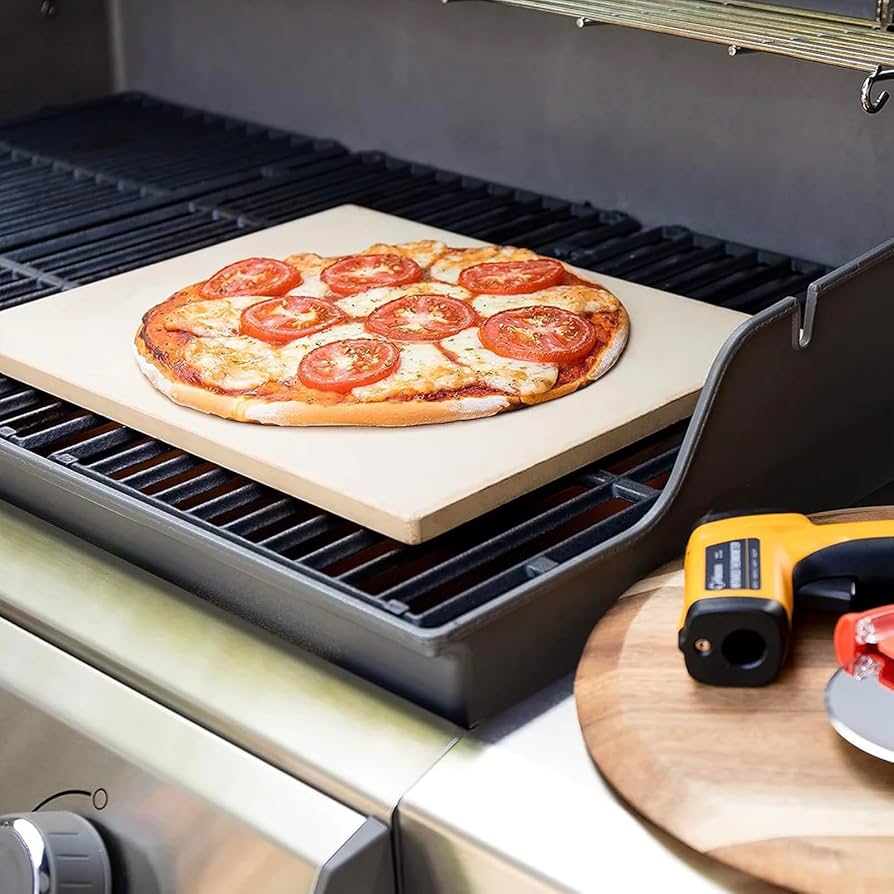
The concept behind the pizza stone is beautifully simple and deeply rooted in tradition. Long before modern ovens, pizzas were baked in wood-fired brick ovens, where intense, even heat from the hot stone floor cooked the dough rapidly, creating that signature crispy crust and perfectly charred spots known as “leoparding.” The pizza stone aims to replicate this ancient technique within your conventional oven. By providing a super-heated, consistent surface, it mimics the thermal properties of a traditional brick oven, ensuring your homemade pizza gets the best possible start. It’s an homage to centuries of pizza-making artistry, distilled into a practical tool for the modern kitchen.
Exploring the Diverse World of Pizza Stone Materials
When you’re ready to dive into the world of homemade pizza, you’ll discover that pizza stones come in various materials, each with its own set of advantages and characteristics that influence your baking experience. Choosing the right one often comes down to balancing performance, durability, and your personal baking style.
Ceramic and Cordierite Pizza Stones
Ceramic stones are perhaps the most traditional and widely recognized type of pizza stone. Made from various clays, they excel at absorbing and retaining heat, ensuring your pizza cooks evenly and develops a wonderfully crisp crust. Cordierite, a specific mineral often used in kiln shelves, is a highly durable form of ceramic known for its exceptional resistance to thermal shock—meaning it’s less prone to cracking when exposed to rapid temperature changes. These stones are excellent for drawing moisture away from the dough, leading to a perfectly dry and crunchy base. While they might take a bit longer to preheat, their ability to hold a consistent temperature makes them a favorite among home bakers. The main drawback is their susceptibility to breakage if mishandled, though cordierite varieties offer increased resilience.
Baking Steels
For those chasing the ultimate crispy crust and quicker cooking times, baking steels have emerged as a strong contender. Made from thick, heavy-gauge steel, these surfaces are phenomenal conductors of heat, heating up faster and transferring heat to the crust with incredible efficiency. This results in pizzas that cook rapidly, often developing a crisp, blistered crust at lower temperatures than ceramic stones require. They are virtually indestructible, offering superior durability compared to ceramic options, and can retain heat for extended periods, allowing for multiple pizzas to be baked in quick succession. However, baking steels are notably heavier and often more expensive than their stone counterparts, and their lack of handles can make them cumbersome to maneuver.
Cast Iron Pizza Pans
Cast iron, a beloved material in many kitchens, also makes an appearance in the pizza-baking arena. Cast iron pizza pans, often resembling large, shallow skillets or griddles, are known for their impressive heat retention and even heat distribution. They are incredibly versatile, capable of being used in the oven, on the stovetop, or even on the grill. Cast iron is exceptionally durable and, with proper care, can last for generations, often improving with age as it develops a natural non-stick seasoning. While they may not achieve the same intense heat transfer as a baking steel, they still produce excellent results, delivering a nicely browned and chewy crust. Some designs feature a slight lip, which can be a minor consideration for sliding pizzas on and off.
Stone (Natural Clay/Unglazed Quarry Tiles)
Beyond engineered ceramics, some traditionalists opt for natural clay or unglazed quarry tiles. These function similarly to ceramic stones, absorbing moisture and providing a porous surface for crisping crusts. While more affordable and accessible, they might be more fragile and less consistent in heat distribution than specialized pizza stones.
Your Step-by-Step Guide to Using a Pizza Stone
Using a pizza stone might seem intimidating at first, but with a few simple steps, you’ll be baking like a pro in no time. The key is understanding how to properly preheat, transfer, and bake your pizza to harness the stone’s full potential.
1. Placement and Preheating are Paramount
Start by placing your pizza stone in a cold oven. Positioning it on the center rack is generally ideal for pizzas and other baked goods. Never put a cold pizza stone into a preheated, hot oven, as the sudden temperature change can cause “thermal shock” and lead to cracking or shattering. Once the stone is in place, set your oven to its highest temperature setting, typically around 500°F (260°C) or even 550°F (290°C). This high heat is crucial for mimicking a brick oven.
Now, here’s the golden rule: patience is a virtue. While your oven might beep to signal it has reached the set temperature, the stone itself needs much more time to fully saturate with heat. Allow the stone to preheat for at least 30 to 60 minutes after the oven has reached its target temperature. This extended preheat ensures the stone has absorbed and stored enough thermal energy to give your pizza that essential initial blast of heat.
2. Prepare Your Pizza Like a Pro
While your stone is getting nice and hot, prepare your pizza. Stretch your dough on a lightly floured or, even better, semolina-dusted pizza peel. Semolina acts like tiny ball bearings, making it easier to slide the pizza off the peel without sticking. Go light on the toppings! Overburdening your pizza with too many ingredients can make it soggy and harder to transfer. Remember, a great pizza is about balance.
3. The Grand Transfer: A Quick, Confident Motion
Once your oven and pizza stone are thoroughly preheated, it’s showtime. Open the oven door, and with a confident, swift jerk, slide the prepared pizza from the peel directly onto the hot pizza stone. Speed and certainty are your friends here; hesitation can cause the pizza to stick to the peel. Don’t worry if it’s not perfectly centered; the goal is to get it onto the stone quickly.
4. Bake to Perfection
Close the oven door and let the magic happen. Pizzas on a well-preheated stone typically bake very quickly, often in just 5 to 10 minutes, depending on your oven’s temperature and your preferred crust crispness. Keep an eye on it! You’re looking for a beautifully golden-brown, crispy crust and melted, bubbly cheese.
5. Remove and Rest
Once baked to your liking, use your pizza peel to carefully remove the pizza from the stone. Transfer it to a wire rack and let it rest for a minute or two before slicing. This allows the steam to escape, preventing a soggy bottom and making for easier cutting.
Insider Tips and Tricks for Pizza Stone Mastery
Using a pizza stone is a journey of delicious discovery, and a few expert tips can elevate your homemade pies from good to absolutely glorious. As seasoned pizza enthusiast Chef Antonio Rossi often says, “The secret isn’t just the stone, it’s understanding how to dance with the heat it provides.”
- Don’t Fear the Heat: Crank your oven to its absolute highest setting. Most home ovens can’t truly replicate a professional pizza oven’s temperature, so maximize what you have. The hotter the stone, the crispier your crust.
- The Power of Parchment (for beginners): If you’re nervous about transferring your pizza directly onto the stone, you can build your pizza on a piece of parchment paper cut to fit your stone. Slide the parchment and pizza onto the hot stone. The parchment can stay for the initial bake, then be carefully removed after a few minutes to allow direct contact with the stone for crisping.
- Lighten Up on Toppings: Heavy, watery toppings will weigh down your pizza, make it difficult to cook through, and potentially make your crust soggy. Less is often more when it comes to pizza.
- Rotate for Evenness: While pizza stones promote even heat, some ovens have hot spots. If you notice one side of your pizza browning faster, carefully rotate it halfway through the baking process using your peel.
- No Frozen Pizza on a Hot Stone: Just like placing a cold stone in a hot oven, putting a frozen pizza directly onto a screaming hot stone can cause it to crack due due to extreme temperature differential. Cook frozen pizzas on a baking sheet instead.
- Experiment with Dough Hydration: Different dough recipes will yield different results. A slightly higher hydration dough can create a lighter, airier crust with beautiful charring on a hot stone.
The Unbeatable Benefits of a Pizza Stone
Investing in a pizza stone is a game-changer for anyone serious about homemade pizza. The advantages extend far beyond just cooking pizza, enhancing your overall baking repertoire.
- Pizzeria-Quality Crispy Crust: This is arguably the number one benefit. The stone’s direct, intense heat and porous surface rapidly cook the bottom of the dough, absorbing excess moisture and creating that coveted crispy, often slightly charred crust, reminiscent of a professional brick oven. Say goodbye to soggy bottoms!
- Even Heat Distribution: Ovens often have hot spots, leading to unevenly baked goods. A pizza stone acts as a thermal battery, storing and distributing heat uniformly across its surface. This ensures your entire pizza cooks consistently, from the center to the edges, resulting in a perfectly baked pie every time.
- Reduced Cooking Time: The sheer heat capacity of a preheated pizza stone means your pizza starts cooking immediately upon contact. This rapid heat transfer drastically cuts down baking time, often allowing a pizza to be ready in less than 10 minutes. Faster cooking means less drying out of toppings and a more vibrant, fresh-tasting pizza.
- Versatility Beyond Pizza: Don’t let the name fool you; a pizza stone is a multipurpose baking tool. It’s fantastic for baking artisan breads, baguettes, focaccia, and even cookies or roasted vegetables, all benefiting from the stone’s even, intense heat for superior texture and browning.
- Enhanced Flavor and Texture: The combination of high, consistent heat and moisture absorption from the stone contributes to a deeper, more developed flavor in your crust. Cheeses melt perfectly, and toppings get just the right amount of caramelization.
The Art of Preserving Your Pizza Stone: Care and Maintenance
A pizza stone is a robust tool, but proper care is essential to ensure its longevity and continued performance. The key principle to remember is simplicity – less is often more when it comes to cleaning and maintaining your stone.
1. Cool Down Completely
Always allow your pizza stone to cool down completely to room temperature before attempting to clean it. Exposing a hot stone to cold water or air can cause thermal shock, leading to cracks or breakage. Patience here prevents costly damage.
2. Scrape, Don’t Scrub with Soap
Once cool, use a plastic scraper, a stiff brush (like a grill brush with non-metal bristles), or even a dough scraper to gently remove any stuck-on food bits, burnt cheese, or crumbs. Avoid using metal utensils, which can scratch and damage the surface.
This is critical: Never use soap or detergent on your pizza stone. Pizza stones are porous, meaning they will absorb soap, which can then leach into your food during subsequent uses, leaving an unpleasant soapy taste.
3. A Damp Wipe is Sufficient
For tougher residue that scraping can’t handle, a damp cloth or sponge (with plain water only) can be used to wipe down the surface. For very stubborn stains, you can create a paste with equal parts baking soda and water. Apply the paste, let it sit for a few minutes, gently scrub with a brush or cloth, then wipe clean with a damp cloth. Baking soda is abrasive enough to help lift stains without imparting unwanted flavors.
4. Thorough Drying is Non-Negotiable
After cleaning, it is absolutely crucial that your pizza stone air dries completely before its next use or storage. Any residual moisture trapped within the stone’s pores can turn to steam when heated, potentially causing the stone to crack. Avoid drying it in the oven immediately after washing, for the same thermal shock reasons.
5. Embrace the Seasoning
Over time, your pizza stone will naturally darken and develop stains. This “seasoning” is normal and desirable! It won’t harm your stone or affect the taste of your food; in fact, it can even contribute to a more non-stick surface. Think of it as a badge of honor, a testament to countless delicious pizzas.
6. Storage
You can store your pizza stone right in your oven, even when you’re baking other items (just place them on top of the stone, or move the stone to a bottom rack for heavier items like roasts). This also helps to equalize oven heat and prevent hot spots. If storing outside the oven, choose a safe, sturdy place where it won’t be easily knocked or dropped.
Frequently Asked Questions About Pizza Stones
Q: Can I use soap to clean my pizza stone?
A: No, absolutely not. Pizza stones are porous and will absorb soap, which can then impart an unpleasant taste to your food. Always clean your pizza stone with plain water and a scraper or brush.
Q: How hot should my pizza stone be before I use it?
A: Your pizza stone should be preheated along with your oven to its highest temperature (500-550°F or 260-290°C) for at least 30-60 minutes after the oven has reached temperature. This ensures the stone is fully saturated with heat.
Q: Can I cook a frozen pizza on a pizza stone?
A: It is generally not recommended to place a frozen pizza directly onto a screaming hot pizza stone. The extreme temperature difference can cause the stone to crack due to thermal shock. Cook frozen pizzas on a baking sheet instead.
Q: What’s the best material for a pizza stone?
A: The “best” material depends on your priorities. Ceramic/cordierite offers excellent moisture absorption and even heat, while steel provides faster heating, extreme durability, and a crispier crust. Cast iron offers versatility and great heat retention.
Q: How long does a pizza stone last?
A: With proper care, a high-quality pizza stone (especially cordierite or steel) can last for many years, even decades. Avoiding thermal shock and harsh cleaning agents are key to its longevity. Natural darkening and staining are normal and do not affect performance.
Unleash Your Inner Pizzaiolo with a Pizza Stone
The journey to crafting the perfect homemade pizza is an incredibly rewarding one, and the pizza stone is your trusted companion on this culinary adventure. From its historical roots in traditional ovens to its modern-day versatility and ability to transform your kitchen into a genuine pizzeria, the pizza stone is an indispensable tool for any home cook who dreams of crispy crusts and authentic flavors. By understanding its materials, mastering its use, and committing to simple care, you unlock a world of delicious possibilities. So go ahead, preheat that stone, stretch that dough, and let your creativity—and your love for pizza—shine. Share your pizza stone triumphs with friends and family, and savor the unforgettable taste of pizza perfection, made right at home.