There’s nothing quite like the aroma of a freshly baked pizza, its crust perfectly crisp, bubbling with melted cheese and delicious toppings. If you’ve ventured into making pizza at home, you know the magic a pizza stone brings to achieving that authentic pizzeria-quality crust. But just like any artisan’s tool, your beloved pizza stone needs a little care to keep performing its best. That’s where the humble yet mighty Pizza Stone Brush steps in, an indispensable companion for every home pizzaiolo. This often-overlooked tool is key to maintaining your stone, ensuring every future pizza is as perfect as the last.
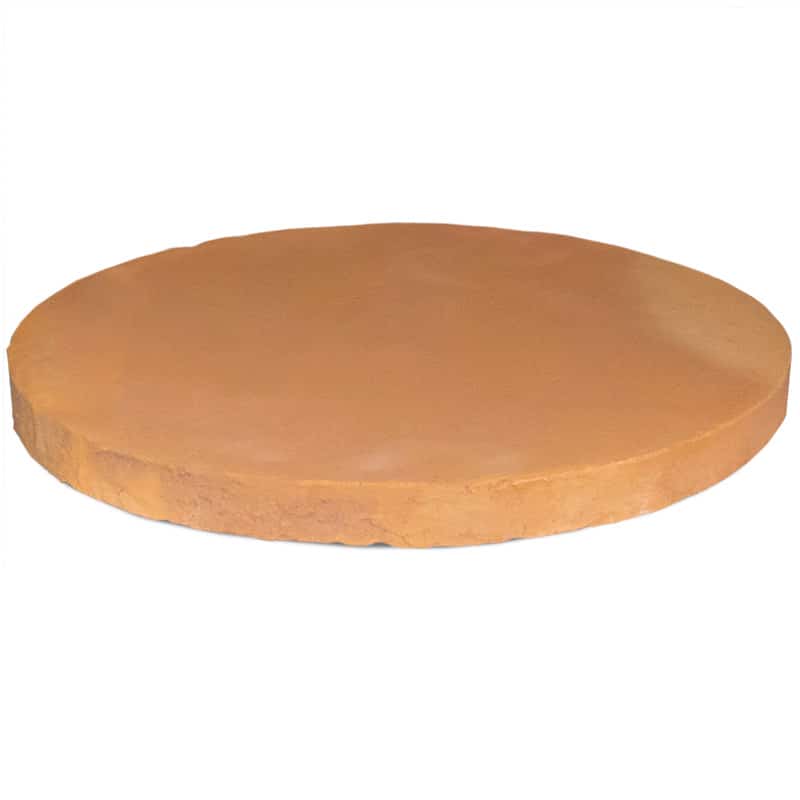
What Exactly is a Pizza Stone Brush?
At its heart, a pizza stone brush is specifically designed for one crucial task: cleaning your pizza stone. Unlike a regular kitchen brush, these brushes are crafted to safely remove stubborn bits of food, excess flour, and char from the porous surface of your stone without damaging it. Think of it as a specialized grooming tool for your most prized pizza-making possession, ensuring it’s always ready for its next fiery adventure in the oven.
The Unsung Hero: Why a Pizza Stone Brush is Indispensable
You might wonder, “Do I really need a special brush just for my pizza stone?” The answer is a resounding yes! A dedicated pizza stone brush brings a host of benefits that directly impact the quality of your homemade pizzas and the longevity of your stone.
Ensures Consistent Cooking and Crispy Crusts
A clean pizza stone is a happy pizza stone. Over time, flour, cornmeal, cheese, and other bits can burn onto the surface, creating uneven spots. These irregularities can lead to inconsistent heat distribution, resulting in some parts of your pizza cooking faster or slower than others. By regularly sweeping away debris with your pizza stone brush, you maintain a smooth, even surface that guarantees uniform heat transfer, essential for that coveted, perfectly crispy crust.
Prolongs the Life of Your Pizza Stone
Pizza stones are an investment, and proper care helps them last for years. Accumulation of burnt-on food can lead to “hot spots” or even weaken the stone over time. A pizza stone brush helps prevent this build-up, mitigating wear and tear and extending the lifespan of your cherished stone. It’s a simple act of maintenance that saves you from having to replace your stone prematurely.
Prevents Flavor Contamination
Imagine taking a bite of a delicious Margherita, only to taste a faint hint of last week’s pepperoni. Not ideal, right? While a well-seasoned stone develops a natural patina, excessive burnt residue can impart unwanted flavors to your fresh pizzas. A pizza stone brush effectively removes these flavor-offenders, ensuring that each pizza tastes exactly as it should – pure and delicious.
Maintains Hygiene
Even if your pizza stone endures incredibly high temperatures, keeping it free from food debris is good practice for overall kitchen hygiene. A pizza stone brush helps you easily sweep away crumbs and carbonized bits, contributing to a cleaner cooking environment.
Picking Your Perfect Partner: Types of Pizza Stone Brushes
Just like there’s a pizza for every palate, there’s a pizza stone brush for every preference. The choice often comes down to the bristle material and overall design.
Bristle Materials: Finding the Right Touch
- Brass Bristles: Often considered the gold standard, brass bristles are firm enough to remove stubborn debris but soft enough not to scratch the porous surface of your pizza stone. They offer an excellent balance of cleaning power and gentleness.
- Stainless Steel/Wire Bristles: These are robust and effective for tackling truly tough, baked-on grime. However, caution is advised as some users report concerns about individual bristles breaking off and potentially contaminating food. If you opt for stainless steel, choose a high-quality brush from a reputable brand and inspect it regularly for wear.
- Nylon Bristles: Durable and less abrasive than metal, nylon brushes are a good all-around option for general cleaning and removing loose flour and lighter residue. They are typically safe for all types of pizza stones.
- Natural Fibers (e.g., Palmyra Palm): For those seeking an eco-friendly or high-heat resistant option (especially for wood-fired ovens), natural fiber brushes are excellent. They can withstand intense heat without melting and effectively sweep away ash and fine particles.
Design Features: Comfort and Functionality
Most pizza stone brush models come with thoughtful features to enhance their utility:
- Long Handles: A crucial safety feature, long handles keep your hands a safe distance from the intense heat of a hot oven, allowing you to clean effectively and comfortably.
- Integrated Scrapers: Many brushes include a metal scraper (often stainless steel) on the back or side. This invaluable addition allows you to easily dislodge truly stubborn, burnt-on food or melted cheese that bristles alone might miss. This 2-in-1 functionality makes cleaning even more efficient.
- Durable Materials: Look for brushes with sturdy handles made from wood, bamboo, or high-quality plastics that offer a comfortable grip and stand up to regular use.
Mastering the Cleanse: How to Use Your Pizza Stone Brush Effectively
Using a pizza stone brush isn’t complicated, but a few key steps will ensure a thorough and safe clean.
Step 1: Cool Down Completely
When do I use the brush? Always wait! This is arguably the most critical step. Never attempt to clean a hot pizza stone with water or even aggressively with a dry brush, as extreme temperature changes can cause thermal shock and crack your stone. Allow your pizza oven and stone to cool completely, ideally to room temperature, before you begin.
Step 2: Dry Brush First
Once cool, use your pizza stone brush to vigorously sweep away any loose flour, cornmeal, ash, or minor food debris. For general clean-up, this dry brushing is often all you need. Focus on getting into all the nooks and crannies.
Step 3: Scrape Away Stubborn Bits
How do I remove tough, burnt-on food? If your brush features an integrated scraper, now’s its time to shine. Use the scraper to carefully dislodge any tough, baked-on remnants like charred cheese or sauce. Apply firm but not excessive pressure to avoid gouging the stone. You might need to go over these areas a few times.
Step 4: Deep Clean with Baking Soda (Optional)
Can I use water for stubborn stains? For persistent stains or greasy spots, a waterless cleaning is generally recommended for pizza stones due to their porous nature. However, a paste of baking soda and a very small amount of water can be highly effective. Mix equal parts baking soda and water to form a thick paste. Apply it to the stained areas, let it sit for 5-10 minutes, then scrub gently with your pizza stone brush. Wipe away the residue with a damp (not wet!) cloth.
Step 5: Air Dry Thoroughly
If you’ve introduced any moisture, even a tiny amount, it’s crucial to let your pizza stone air dry completely before its next use. Moisture trapped in the stone can lead to cracking when heated or result in a less-than-crispy crust. Place it in a well-ventilated area until absolutely dry.
Expert Tips for a Pristine Pizza Stone
Maintaining your pizza stone and its dedicated brush ensures consistently great pizzas.
- Clean After Every Use: For optimal results and to prevent excessive build-up, make it a habit to clean your stone with a pizza stone brush after every pizza-making session, once it’s cool.
- Never Use Soap or Harsh Chemicals: Your pizza stone is porous and will absorb soap, detergents, or chemical cleaners, which can then leach into your pizza and leave an unpleasant taste. Stick to dry brushing, scraping, or a baking soda paste.
- Avoid Submerging in Water: As tempting as it might be for a heavily soiled stone, avoid soaking it in water. This can compromise its integrity and lead to cracking.
- Consider Pyrolysis: For truly stubborn, carbonized build-up, some recommend heating your oven to its highest temperature (500°F or more) with the stone inside for about an hour. This process, known as pyrolysis, will burn off most organic matter, turning it to ash that can then be easily swept away with your pizza stone brush once cool.
- Clean the Brush Itself: Don’t forget to clean your pizza stone brush! Hand wash the bristles with warm, soapy water to remove accumulated debris, then rinse thoroughly and allow it to air dry completely before storing.
- Is it okay for my pizza stone to be stained? Absolutely! A darkened, seasoned pizza stone is a sign of many delicious pizzas and indicates it’s well-used and ready for more. Don’t worry about trying to make it look brand new; focus on removing loose debris and burnt bits.
“A clean pizza stone isn’t just about aesthetics; it’s about preserving the integrity of your cooking surface,” says Chef Isabella Rossi, a renowned artisan pizza maker. “A good pizza stone brush is your secret weapon, ensuring consistent heat transfer and that perfect, crispy crust every single time.”
Frequently Asked Questions (FAQ)
Q: Can I use a regular wire brush or grill brush on my pizza stone?
A: It’s generally not recommended. Regular wire brushes or grill brushes can be too abrasive and potentially scratch or damage the porous surface of your pizza stone. Moreover, metal bristles can detach and pose a safety risk. A dedicated pizza stone brush with brass, nylon, or natural bristles is designed to be safe and effective.
Q: Do I need to clean my pizza stone after every use?
A: Yes, it’s highly recommended to clean your pizza stone with a pizza stone brush after every use, once it has cooled down. This prevents the build-up of food particles, flour, and char, which can affect the stone’s performance and taste of future pizzas.
Q: Is it okay for my pizza stone to be stained and discolored?
A: Absolutely! Stains and discoloration are a natural and desired part of a well-used pizza stone. This “seasoning” often enhances its non-stick properties and heat distribution. The goal of cleaning with a pizza stone brush is to remove debris, not to make the stone look new.
Q: Can I use soap and water on my pizza stone?
A: No, you should never use soap or chemical cleaners on your pizza stone. The porous material will absorb the soap, which can then leach into your food and affect its flavor. Only use water sparingly, usually in a paste with baking soda for tough stains, and ensure the stone dries completely.
Q: What’s the best bristle type for a pizza stone brush?
A: For most home cooks, brass or nylon bristles offer the best balance of effectiveness and gentleness, minimizing the risk of scratching your pizza stone. Natural fiber brushes are also excellent, especially for high-temperature ovens.
Elevate Your Pizza Game
The journey to crafting the perfect homemade pizza is an ongoing adventure, and a pizza stone brush is an essential tool that should be in every pizza enthusiast’s arsenal. By understanding its purpose, choosing the right type, and implementing proper cleaning techniques, you’re not just cleaning a stone; you’re preserving the foundation for countless future delicious pizzas. So grab your pizza stone brush, embrace the care routine, and get ready to enjoy truly exceptional, crispy, and flavorful homemade slices. Your taste buds (and your pizza stone) will thank you!