Imagine turning your backyard grill into an authentic pizzeria, producing pies with perfectly crispy crusts and that irresistible smoky aroma. This isn’t just a dream; it’s a delicious reality when you introduce a Pizza Stone For Bbq Grill into your outdoor cooking arsenal. Far more than a simple accessory, a grill pizza stone transforms your standard barbecue into a high-heat baking chamber, designed to deliver restaurant-quality pizza right at home. Forget soggy bottoms or unevenly cooked toppings – with the right knowledge and a dedicated pizza stone for BBQ grill, you’re on your way to becoming a true pizzaiolo.
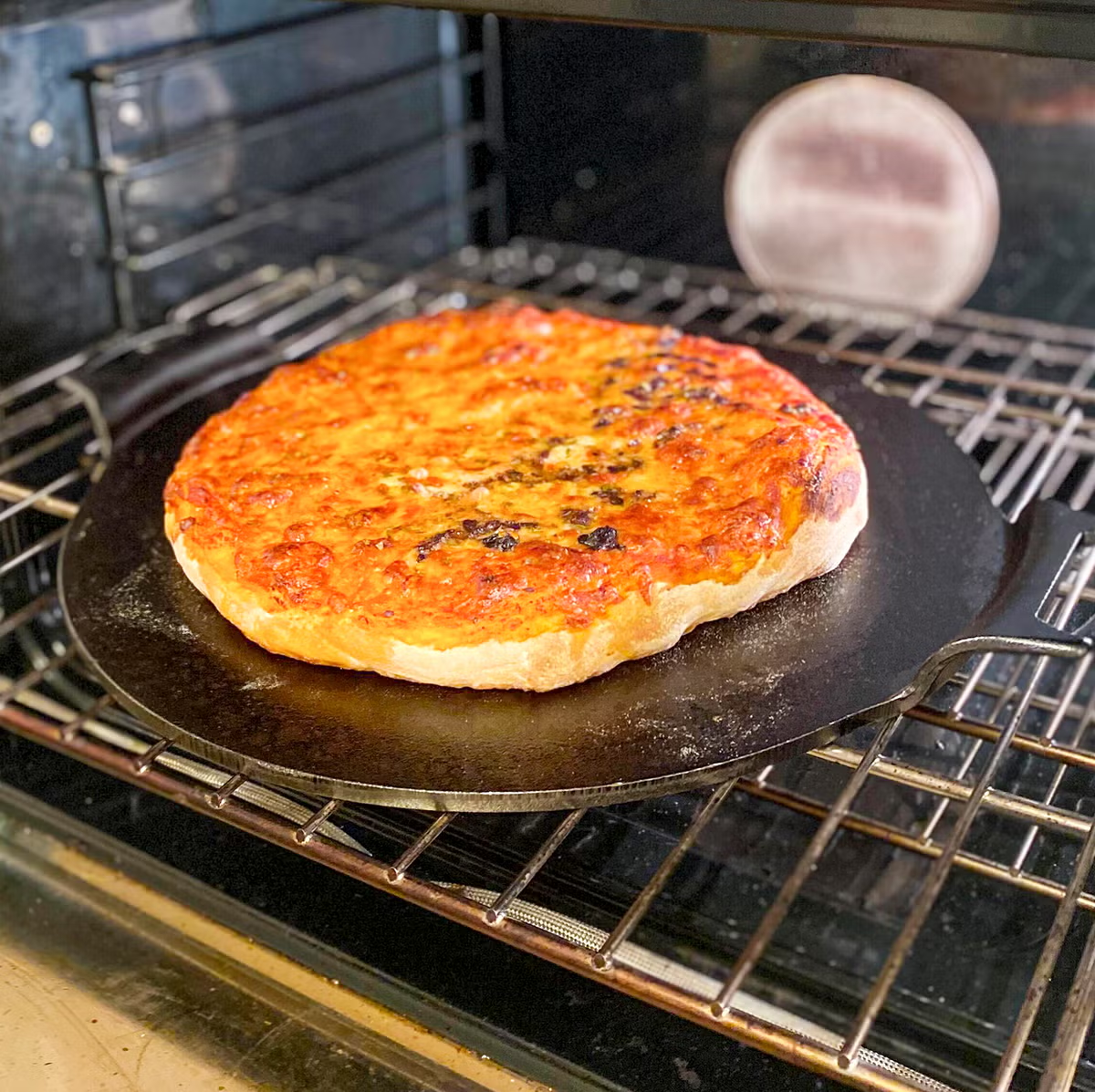
The Magic Behind the Stone: Why a Pizza Stone for BBQ Grill?
So, what makes a pizza stone for BBQ grill such a game-changer? It all comes down to its unique ability to mimic the intense, even heat of a traditional brick oven, a feat your regular oven often struggles to achieve.
Mimicking a Brick Oven Experience
A quality pizza stone absorbs and retains an incredible amount of heat, then radiates it directly into your pizza dough. This radiant heat cooks the crust rapidly and evenly, much like the floor of a professional pizza oven. This method is crucial for achieving that authentic, blistered crust with just the right amount of char.
Crispy Crust Perfection
One of the most frustrating aspects of homemade pizza can be a limp or soggy crust. A BBQ pizza stone is specifically designed to combat this. Its porous surface draws moisture away from the dough as it cooks, preventing that undesirable “steamed” effect. The result? A delightfully crisp bottom crust that holds up to your favorite toppings.
Enhanced Flavor and Versatility
Beyond the textural benefits, using a grill stone for pizza on your BBQ imparts a subtle, smoky flavor, especially when using a charcoal grill. This adds another layer of depth that simply can’t be replicated indoors. But don’t stop at pizza! This versatile tool can also be used for baking artisan breads, flatbreads, calzones, or even roasting vegetables, making your grill an even more powerful outdoor kitchen appliance.
Choosing Your Perfect Pizza Stone for BBQ Grill
Selecting the right pizza stone for BBQ grill is the first step toward pizza perfection. Not all stones are created equal, especially when facing the intense, direct heat of a barbecue.
Materials Matter: Ceramic, Cordierite, Steel, and Cast Iron
Different materials offer different benefits:
- Ceramic: Often made from various clays, ceramic stones heat evenly and produce crisp crusts. They are typically lighter than other materials.
- Cordierite: Many grill-specific pizza stones are made from cordierite. This mineral is prized for its exceptional resistance to thermal shock (sudden temperature changes) and superior heat retention, making it an excellent choice for the fluctuating temperatures of a BBQ.
- Steel: A newer trend, steel pizza “stones” (also known as baking steels) are incredibly durable, nearly indestructible, and conduct heat faster than traditional stones. They can reach even higher temperatures, yielding intensely crispy crusts quickly.
- Cast Iron: Robust and long-lasting, cast iron pizza pans can also be used on a grill. They retain heat exceptionally well, though they may take longer to preheat.
Size and Shape Considerations
Pizza stones for BBQ grill come in various shapes and sizes, usually round or rectangular. Consider the dimensions of your grill’s cooking surface. A rectangular stone might offer more space on a conventional gas grill, while a round stone is often ideal for kettle-style charcoal grills. Ensure the stone leaves enough clearance for air circulation and for you to easily maneuver your pizza.
“When choosing a pizza stone for your BBQ, prioritize durability and thermal shock resistance,” advises culinary expert Chef Leo Garcia. “Cordierite is a fantastic all-rounder, but don’t shy away from a baking steel if you want extreme crispness and lifelong durability. Always check the manufacturer’s specifications to ensure it’s truly grill-safe.”
How to Use Your Pizza Stone for BBQ Grill: A Step-by-Step Guide
Using a pizza stone on your BBQ grill is straightforward, but a few critical steps will ensure success and prevent potential issues.
Preparation is Key: Setting Up Your Grill
The foundation of great grilled pizza is a properly prepared grill and a perfectly preheated stone.
- Start Cold: Always place your pizza stone on a cold grill. Never place a cold stone onto an already hot grill, as this can cause thermal shock and crack the stone.
- Position the Stone: Place the stone directly on the grill grates. For gas grills, center it over the burners. For charcoal grills, arrange the coals evenly beneath the stone for direct heat, or push them to the sides for indirect cooking, depending on your desired heat distribution and grill setup.
- Preheat Thoroughly: Close the grill lid and preheat to a high temperature, typically between 400°F to 500°F (200°C to 260°C), or even higher if your stone and grill allow. Let the stone preheat for at least 30 to 60 minutes after the grill reaches temperature. This extended preheating ensures the stone is saturated with heat, crucial for a crispy crust.
Crafting and Launching Your Masterpiece
While the stone heats, prepare your pizza.
- Dough and Topping Tips: Use room-temperature dough, as cold dough can cool the stone. Go easy on the toppings; too many can weigh down the pizza and make it difficult to transfer, leading to an undercooked center.
- The Art of the Pizza Peel:
- Lightly dust your pizza peel with cornmeal or semolina flour. This acts as tiny ball bearings, helping the pizza slide off smoothly.
- Stretch your dough directly on the peel.
- Quickly add your sauce and toppings.
- With a swift, confident motion, open the grill lid (minimizing heat loss), position the tip of the peel at the back of the hot stone, and gently pull the peel back, allowing the pizza to slide onto the stone.
Grilling to Perfection
Keep the lid closed to maintain high temperatures. Cook for about 5 to 10 minutes, rotating the pizza halfway through if needed for even cooking. The pizza is ready when the crust is golden brown and crispy, and the cheese is melted and bubbly.
Tips and Tricks for Pizza Stone Success on Your BBQ
Mastering the pizza stone for BBQ grill experience involves a few insider tips that can elevate your homemade pies.
Temperature Control Mastery
Achieving and maintaining high, consistent heat is paramount. If your grill has multiple burners, you might try turning off one burner directly under the stone after preheating to prevent the bottom from cooking too quickly, while maintaining high heat around it for the top. With charcoal, ensure a consistent bed of hot coals. Always keep the lid closed as much as possible to trap heat.
Preventing Sticky Situations
Beyond cornmeal or semolina, you can also use parchment paper cut to the size of your pizza. Place the pizza with parchment paper directly on the preheated stone. Just be mindful of any overhang, as exposed parchment paper can burn at high grill temperatures. For particularly tricky doughs, a very light brushing of oil on the dough itself (not the stone!) can help.
Avoiding Thermal Shock
This is a critical rule for stone longevity: rapid temperature changes are the enemy. Always preheat your stone with the cold grill and allow it to cool down slowly on the grill after cooking. Never plunge a hot pizza stone into cold water.
Other Delights: Beyond Pizza
Don’t limit yourself! Your grill pizza stone is excellent for baking other items that benefit from high, even heat and a crispy bottom. Think about homemade flatbreads to serve with grilled meats, focaccia bread, or even rustic bread loaves. The possibilities are endless.
Caring for Your Pizza Stone: Longevity on the Grill
Proper care ensures your pizza stone for BBQ grill remains a trusty companion for many grilling seasons.
Cool Down Safely
After the last pizza is pulled off, turn off your grill and leave the pizza stone in place to cool down completely with the grill. This slow cooling process is vital to prevent thermal shock and cracking. It can take several hours, so plan accordingly.
The Golden Rules of Cleaning
Cleaning a pizza stone is unique and doesn’t involve harsh chemicals or excessive water.
- Scrape Gently: Once the stone is completely cool, use a stiff, dry brush or a plastic scraper to remove any stuck-on food bits, cheese, or cornmeal residue.
- Avoid Soap and Soaking: Never use soap on your pizza stone, as its porous surface will absorb the soap, which can then leach into your food and affect the taste. Likewise, avoid soaking the stone in water, as this can lead to moisture absorption that might cause cracking during future use.
- Wipe and Dry: For stubborn stains, you can use a damp cloth to wipe the surface, or create a paste of baking soda and water to gently scrub it. Always ensure the stone is thoroughly air-dried for at least 24 hours before its next use or storage to prevent moisture-related damage.
- Embrace Stains: Don’t obsess over discoloration or dark spots. These are natural and a sign of a well-seasoned stone, much like a cast iron pan. They won’t impact performance or flavor.
Storage for Extended Life
Store your clean, dry pizza stone in a cool, dry place. Many grill enthusiasts simply leave their stone on the grill (if it’s protected from the elements) or in their oven, as it can help regulate temperature and improve heat distribution for other cooking tasks. Never store your stone outdoors in freezing temperatures, as trapped moisture can freeze and cause it to crack.
Common Questions About Pizza Stones for BBQ Grills (FAQ)
Q1: Can any pizza stone be used on a BBQ grill?
A: No, not all pizza stones are designed for the high, direct heat of a BBQ grill. Many oven-only stones are susceptible to thermal shock and can crack when exposed to grill temperatures. Always check the manufacturer’s specifications to ensure your pizza stone is grill-safe.
Q2: How hot should my grill be for pizza?
A: For optimal results, aim for high temperatures, typically between 400°F and 500°F (200°C to 260°C) as indicated by your grill’s thermometer. The stone itself should be even hotter, so preheating for 30-60 minutes after the grill reaches temperature is crucial.
Q3: How long does it take to cook pizza on a grill stone?
A: Cooking times can vary based on your grill’s temperature, the thickness of your crust, and your toppings, but most pizzas cook in about 5 to 10 minutes. Keep a close eye on it, rotating if necessary, until the crust is golden and the cheese is bubbly.
Q4: Why did my pizza stone crack on the grill?
A: Cracking is almost always due to thermal shock. This happens if a cold stone is placed directly on a hot grill, if a hot stone is quickly cooled with water, or if frozen food is placed on a hot stone. Always preheat and cool your pizza stone slowly and gradually with your grill.
Q5: How do I prevent my pizza from sticking to the stone?
A: Ensure your pizza stone is thoroughly preheated before use. Liberally dust your pizza peel with cornmeal or semolina flour before stretching your dough and adding toppings. You can also use parchment paper, cut to size, directly under the pizza on the stone.
Fire Up the Flavor!
The journey to crafting the perfect homemade pizza takes an exciting turn when you embrace the power of a pizza stone for BBQ grill. It’s more than just a kitchen tool; it’s a gateway to creating unforgettable outdoor dining experiences, impressing friends and family with pizzas that boast crispy crusts and authentic smoky flavors. By understanding the right materials, mastering the art of preheating and launching, and diligently caring for your stone, you’ll unlock a new level of grilling prowess. So, ignite your passion, dust off your pizza peel, and get ready to transform your backyard into the neighborhood’s favorite pizzeria with your trusty pizza stone for BBQ grill!