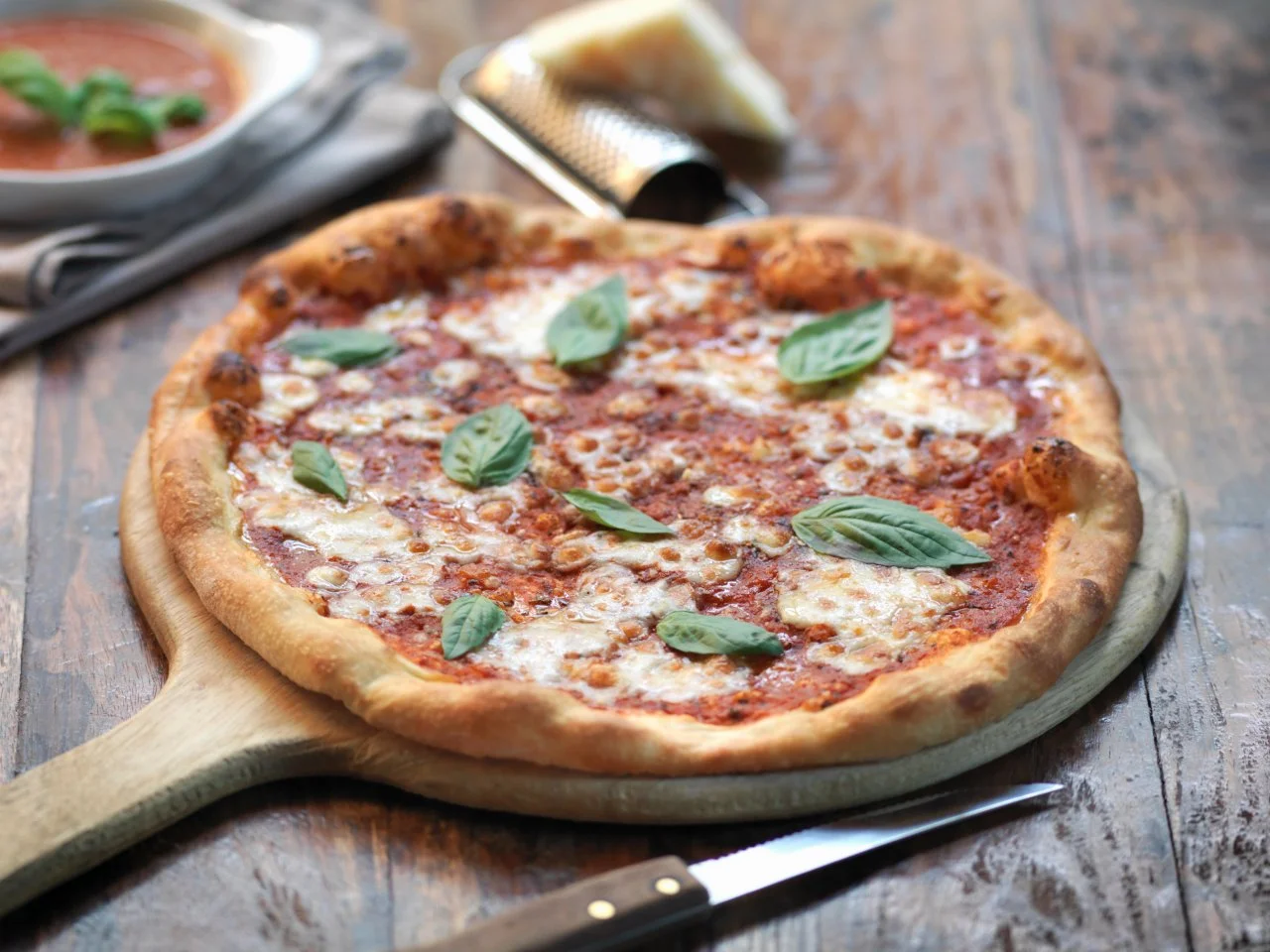
Ever dreamt of biting into a perfect, crispy-crusted pizza, fresh from your backyard? Forget delivery—your gas grill, paired with a trusty pizza stone, can make that dream a delicious reality. It’s about transforming your everyday barbecue into a high-heat, artisanal pizzeria, bringing an authentic taste and a fun, communal experience right to your patio. Using a Pizza Stone For Gas Grills isn’t just a trend; it’s a game-changer for homemade pizza lovers seeking that restaurant-quality char and crunch.
Why a Pizza Stone Transforms Your Gas Grill into a Pizzeria
At its heart, a pizza stone works by mimicking the intense, even heat of a traditional brick oven. When you place a pizza stone on your gas grill, it absorbs and retains heat exceptionally well, creating a scorching hot surface that instantly crisps your pizza dough. This direct heat transfer is crucial for preventing a soggy bottom, a common pitfall of oven-baked pizzas. The grill environment itself also adds a layer of magic: the enclosed space creates convection, cooking toppings beautifully, while the open flame can impart a subtle, irresistible smoky flavor that you simply can’t achieve indoors. Beyond pizza, this dynamic duo can handle everything from artisan breads to perfectly roasted vegetables, making your grill a truly versatile outdoor kitchen appliance.
Choosing the Right Pizza Stone for Your Gas Grill
Selecting the perfect pizza stone for your gas grill is a crucial step toward achieving pizza perfection. Different materials offer unique advantages, influencing everything from heat retention to durability.
Cordierite Pizza Stones: The Workhorse for Grills
Cordierite is by far the most popular material for pizza stones designed for grill use, and for good reason. This mineral is renowned for its exceptional thermal shock resistance, meaning it can handle extreme temperature changes without cracking—a vital feature when transitioning from room temperature to a blazing hot grill. Cordierite stones absorb and radiate heat evenly, ensuring a consistently crispy crust without hot spots.
Steel Baking Plates: The High-Heat Champion
For those chasing the ultimate crisp and fastest cook times, a baking steel might be your secret weapon. Though technically not a “stone,” steel boasts superior heat conductivity and retention, reaching and holding higher temperatures (often up to 1,000°F or 538°C) than traditional stones. This intense heat translates to a beautifully blistered crust in record time, truly replicating a commercial pizza oven. However, they are significantly heavier and often come with a higher price tag.
Cast Iron & Ceramic Options: Other Worthy Contenders
Cast iron pizza pans or stones offer incredible durability and excellent heat retention, much like your favorite skillet. They require seasoning, but once properly cared for, they can last a lifetime. Ceramic stones, made from various clays, conduct heat well but can be more susceptible to thermal shock and breakage if not handled carefully. Lava stones, a lesser-known but effective option, provide intense heat distribution, ideal for recreating a wood-fired experience.
Size Matters: Ensuring a Perfect Fit for Your Grill
No matter the material, ensure your pizza stone fits comfortably on your gas grill, leaving at least an inch or two of clearance on all sides for proper air circulation. A standard round or rectangular stone between 14-16 inches is often suitable for most grills, but always measure your grill grates before purchasing. “The right material for your pizza stone for gas grill depends on your priority,” advises Chef Isabella Romano, a renowned Italian culinary expert. “Cordierite offers reliability and great performance for most, while steel is unmatched for sheer heat and speed. Always consider your grill’s capacity and your personal cooking style.”
Preparing Your Gas Grill and Pizza Stone for Action
Achieving that perfect pizza on your gas grill starts with proper setup and preheating. Don’t rush this stage; patience here will pay off in delicious dividends.
Initial Setup: Cleanliness and Positioning
First, ensure your grill grates are clean and free of any residue from previous cooks. While some suggest lightly oiling the grates, avoid oiling the pizza stone itself, especially unglazed ones, as it can lead to smoking and permanent staining. Place your cold pizza stone directly on the cold grill grates. For gas grills with multiple burners, center the stone over the primary cooking area.
The Golden Rule of Preheating: Why It’s Crucial
This is perhaps the most critical step: preheat your pizza stone and gas grill together from cold. Placing a cold stone on an already hot grill can lead to thermal shock and cracking. Close the grill lid and turn all burners to high. Allow your grill and stone to preheat for a solid 30 to 45 minutes, aiming for an internal grill temperature of 500-600°F (260-315°C). The goal isn’t just for the air inside the grill to be hot, but for the pizza stone itself to reach a surface temperature of at least 400°F (200°C), which takes longer. This extended preheat ensures the stone has absorbed enough heat to deliver that immediate burst of crispness to your dough. Engaging all burners helps create an evenly heated cavity, mimicking a true pizza oven.
Step-by-Step Guide: Making Perfect Pizza on Your Gas Grill
With your gas grill and pizza stone screaming hot, it’s time for the main event!
Dough Preparation and Topping Assembly: Timing is Key
While your grill preheats, roll or stretch out your pizza dough. This ensures everything is ready the moment your stone reaches optimal temperature. Prepare all your toppings in advance. For thinner crusts, assemble your entire pizza indoors on a well-floured or cornmeal-dusted pizza peel. If you prefer a thicker crust, or if you’re worried about sogginess, you can par-bake the dough on the stone for a few minutes before adding sauce and toppings, then return it to the grill.
The Art of the Transfer: Using Your Pizza Peel Like a Pro
Transferring the pizza from peel to a super-hot pizza stone for gas grill can feel daunting, but it’s easily mastered. Generously dust your pizza peel (a metal peel is recommended for grill use due to open flames) with cornmeal, semolina, or flour. This creates a bed of “ball bearings” that helps the pizza slide effortlessly. Gently shake the peel to ensure the pizza moves freely before attempting the transfer. Point the end of the peel towards the back of the stone at a slight angle, then with a swift, confident motion, pull the peel back, allowing the pizza to slide off and center itself on the stone.
Grilling to Perfection: Cook Time and Lid Management
Once the pizza is on the stone, immediately close the gas grill lid. This traps the heat, allowing the convection to cook the toppings and melt the cheese while the stone crisps the bottom. Resist the urge to peek frequently, as opening the lid causes heat loss. Most pizzas will cook in 5 to 10 minutes, depending on the thickness of your crust and the number of toppings.
Knowing When It’s Done: Visual Cues for a Perfect Bake
Look for a golden-brown, bubbly crust with some delightful char spots, especially around the edges. The cheese should be fully melted and lightly browned. Use your pizza peel to carefully lift a corner of the pizza to check the bottom; it should be firm and beautifully browned.
Tips and Tricks for Grilled Pizza Perfection
Elevate your grilled pizza game with these expert tips and clever hacks.
- Temperature Monitoring with an Infrared Thermometer: For ultimate precision, use an infrared thermometer to measure the surface temperature of your pizza stone. Aim for 450-550°F (230-290°C) for consistent results.
- Preventing Sticking: Beyond cornmeal, you can also cut a piece of parchment paper to the size of your pizza stone. Place the pizza on the parchment paper, then transfer both to the stone. Just be mindful of excess parchment paper, especially on a very hot grill, as it can burn if exposed directly to flame.
- Managing Heat: If your grill has a particularly strong burner directly under the stone, consider turning that burner down slightly once the stone is fully preheated, while keeping the surrounding burners on high. This can help prevent the bottom of your pizza from burning while still providing ample overall heat.
- Experimenting with Crusts and Toppings: Don’t be afraid to try different dough recipes, from thin Neapolitan style to a heartier, thicker crust. Lighten up on the toppings; less is often more on a gas grill to ensure even cooking and prevent a soggy center.
- Consider a Pizza Dome for Overhead Heat: Some grill accessory kits include a metal dome that sits over the pizza stone. This clever addition helps concentrate and radiate heat down onto the toppings, ensuring they cook just as quickly as the crust, leading to a more balanced bake.
Caring for Your Pizza Stone: Longevity and Performance
Proper care extends the life of your pizza stone for gas grill and ensures it continues to deliver delicious results.
Cooling Down Safely: Preventing Thermal Shock
Once your pizza feast is over, resist the temptation to remove the stone immediately. Allow both the grill and the pizza stone to cool down completely to room temperature. This gradual cooling prevents thermal shock, which can cause cracking. Simply turn off your grill and leave the lid closed until everything is cool to the touch.
Cleaning Your Stone: The Dry-Wipe Method
Cleaning a pizza stone is surprisingly simple and requires no harsh chemicals. Once cooled, use a dry brush or a stiff plastic scraper to remove any stuck-on food bits or charred residue. For more stubborn stains, you can lightly dampen a cloth with warm water and wipe the stone. Avoid soap on unglazed stones, as it can soak into the porous material and impart unwanted flavors to future pizzas. If using a glazed ceramic stone, check manufacturer instructions, as some are dishwasher safe.
Storage Solutions: Keeping Your Stone Ready for the Next Cookout
Ensure your pizza stone is completely dry before storing it to prevent mold or cracking. Many grill enthusiasts simply leave their stone on the grill, covered, as it can even aid in heat retention for the grill itself. Alternatively, store it flat in a cool, dry place.
Frequently Asked Questions About Pizza Stones for Gas Grills
Q: Can I use any pizza stone on a gas grill?
A: Not all pizza stones are created equal. It’s best to use a stone made of cordierite or steel, as these materials are highly resistant to thermal shock and can withstand the intense, fluctuating temperatures of a gas grill without cracking.
Q: How hot should my gas grill be for pizza?
A: Aim for an ambient temperature inside your grill of 500-600°F (260-315°C). More importantly, the pizza stone itself should reach a surface temperature of at least 400°F (200°C), which typically requires 30-45 minutes of preheating.
Q: How long does it take to cook pizza on a gas grill with a stone?
A: Most pizzas cook quickly on a preheated pizza stone for gas grill, usually taking only 5 to 10 minutes. The exact time depends on your grill’s temperature, crust thickness, and toppings.
Q: How do I prevent my pizza from sticking to the stone?
A: Generously dust your pizza peel with cornmeal, semolina, or flour before transferring the pizza. This creates a non-stick layer. You can also use parchment paper, cut to size, directly on the stone.
Q: How do I clean a pizza stone after grilling?
A: Allow the stone to cool completely. Scrape off any stuck-on food with a dry brush or stiff plastic scraper. Wipe with a dry or slightly damp cloth. Avoid using soap, as it can be absorbed by porous stones and affect future flavors.
Q: Can I use a pizza stone for other foods on the grill?
A: Absolutely! A pizza stone for gas grill is incredibly versatile. It’s excellent for baking artisan bread, focaccia, calzones, flatbreads, and even for roasting vegetables, offering a unique char and even cooking.
Unleash Your Inner Pizzaiolo
Embracing a pizza stone for your gas grill opens up a world of culinary possibilities, turning casual cookouts into memorable pizza nights. The journey from a simple ball of dough to a perfectly charred, crispy-crusted masterpiece is incredibly rewarding. So, fire up that grill, lay down your stone, and get ready to experiment. You’ll be amazed at the delicious results and the joy of creating artisanal pizza right in your own backyard. Happy grilling, and enjoy crafting your perfect pie!