There’s something undeniably magical about outdoor cooking, a primal joy that transforms a simple meal into an event. And when it comes to elevating that experience, few tools can rival the humble yet mighty Pizza Stone For Grill. Imagine biting into a perfectly crisp, smoky-flavored pizza, fresh from your backyard grill, with a crust that crackles just like it came from a traditional wood-fired oven. This isn’t just a dream; with the right pizza stone and a few pro tips, it’s your next culinary reality.
The pizza stone has a rich history, rooted in ancient baking techniques where clay or stone slabs were used to bake bread and flatbreads in hot ovens. Over time, this ingenious concept evolved, making its way into modern kitchens and, more recently, onto our outdoor grills. The transition of the pizza stone to the grill was a game-changer for home cooks, allowing them to achieve higher temperatures and a distinct smoky flavor that indoor ovens simply can’t replicate. It bridges the gap between a conventional grill and a professional pizza oven, bringing authentic pizzeria quality to your patio.
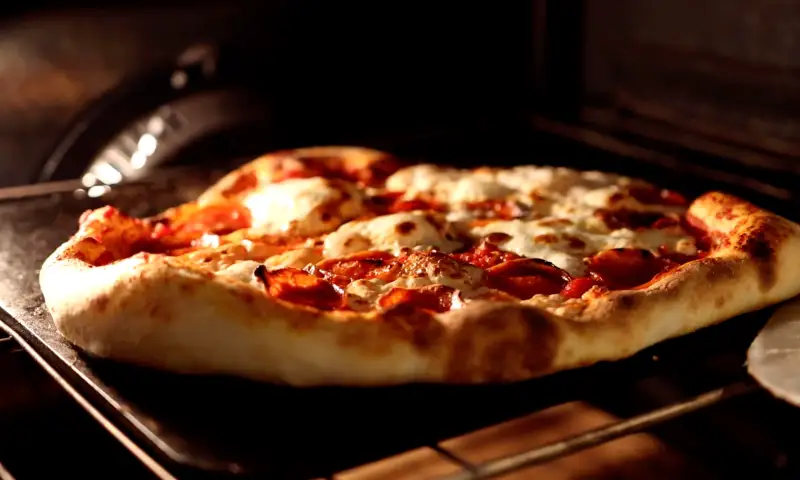
Popular Types of Pizza Stones for Grills and Their Characteristics
When selecting a pizza stone for grill use, the material is paramount. Not all stones are created equal, especially when facing the intense, direct heat of a barbecue.
- Cordierite Pizza Stones: These are often considered the gold standard for grilling. Cordierite is a mineral that excels in thermal shock resistance, meaning it can withstand rapid temperature changes without cracking – a common concern when moving a stone between varying heat zones or exposing it to open flames. They absorb moisture effectively, leading to a wonderfully crispy crust, and retain heat exceptionally well, ensuring an even bake.
- Ceramic/Clay Pizza Stones: Traditional ceramic or clay stones are excellent at retaining and radiating heat, mimicking old-world oven floors. They can produce fantastic results, but they tend to be more susceptible to thermal shock than cordierite. If you opt for a ceramic stone, extra care is needed during preheating and cooling.
- Pizza Steels: While not strictly “stones,” pizza steels are a popular alternative, especially for grilling. Made of solid steel, they conduct heat even more efficiently than stones, resulting in an incredibly crisp bottom crust in a shorter amount of time. They are virtually indestructible and immune to thermal shock. However, they are heavier and typically more expensive.
Choosing the right material depends on your grilling habits and budget. For durability and consistent performance on the grill, a cordierite pizza stone is generally recommended.
Detailed Guide: How to Use Your Pizza Stone for Grill
Getting that perfect grilled pizza requires a bit of technique, but it’s incredibly rewarding. Here’s a step-by-step guide to mastering your pizza stone for grill.
Preheating is Key
This is perhaps the most crucial step. A cold pizza stone on a hot grill is a recipe for disaster (and potentially a cracked stone).
- Placement: Always place your cold pizza stone on a cold grill grate before turning on the heat. Centering the pizza stone on your grill is often ideal for even heat distribution, especially on gas grills.
- Ignite and Close: Turn on your grill to high heat and close the lid.
- Time and Temperature: Allow the pizza stone for grill to preheat for at least 30-45 minutes. Some sources even suggest up to an hour for optimal heat saturation. You’re aiming for the stone itself to reach a temperature of 425°F (218°C) or higher, with the grill’s dome temperature typically between 500-600°F (260-315°C). An infrared thermometer can be a great tool to accurately measure the stone’s surface temperature.
Setting Up Your Grill
The setup varies slightly between gas and charcoal grills.
- Gas Grills: Most gas grills can achieve the high, even heat needed. Place the stone centrally. You can often ignite all burners, including those directly beneath the stone, with the lid closed to ensure efficient heat circulation.
- Charcoal Grills: Achieving consistent high heat on a charcoal grill requires a bit more finessing. Avoid placing charcoal directly under the pizza stone as this can create an excessively hot spot on the stone while the dome temperature remains too low, leading to an unevenly cooked pizza. Instead, arrange your lit coals to one side of the grill, creating a two-zone setup. Place the pizza stone over the indirect heat zone, allowing the ambient heat to cook the top of the pizza while the stone crisps the bottom. Some grillers even place a small amount of lit charcoal next to the stone, or in a grilling basket, to ensure the top of the pizza cooks thoroughly.
Launching Your Pizza
Once your pizza stone for grill is screaming hot, it’s time for the moment of truth.
- Prepare Your Peel: A pizza peel is an indispensable tool. Lightly dust your peel with cornmeal or rice flour. This acts as a lubricant, allowing the pizza to slide off easily. Some prefer using parchment paper cut to the size of the stone, which also prevents sticking.
- Assemble and Transfer: Quickly assemble your pizza on the floured peel. Work swiftly to prevent the dough from sticking. Gently slide the pizza onto the preheated stone.
- Close the Lid: Immediately close the grill lid to trap the heat, turning your grill into a makeshift pizza oven.
Cooking Your Pizza
Grilled pizzas cook fast!
- Cooking Time: Depending on your grill’s temperature, dough thickness, and toppings, your pizza will likely be ready in 5 to 12 minutes.
- Monitor and Rotate: Keep an eye on your pizza. If you notice one side browning faster, especially on a charcoal grill with uneven heat, use your peel to rotate the pizza 180 degrees halfway through the cooking process for an even cook.
- Doneness: The pizza is ready when the crust is golden brown and crispy, and the cheese is melted and bubbly.
Removing Your Pizza
Safety first!
- Careful Extraction: Use your pizza peel to gently slide the cooked pizza off the hot stone.
- Cool Down: Leave the pizza stone on the grill with the lid open to cool down slowly and completely before attempting to clean or handle it. It will be extremely hot and dangerous otherwise.
Tips and Tricks for Perfect Pizza with Your Pizza Stone for Grill
Making amazing grilled pizza isn’t just about the heat; it’s about the little details that make a big difference.
- Dough Matters: Use a good quality pizza dough, ideally one that’s been brought to room temperature before stretching. A thinner crust will cook faster and achieve a crispier texture on the grill.
- Less is More with Toppings: Overloading your pizza can lead to a soggy crust and uneven cooking. Stick to a moderate amount of sauce and toppings.
- The Right Peel: While a wooden peel works for ovens, a metal pizza peel is often preferred for grilling as it’s less likely to scorch from the grill’s intense heat.
- Monitor Grill Temperature: Keeping a consistent temperature is key. Use your grill’s built-in thermometer, or a separate grill thermometer, to maintain the desired heat.
- Embrace the Smoke: For charcoal grills, adding a few wood chips (like apple or cherry) to your coals can infuse your pizza with a wonderful, authentic smoky flavor, mimicking a true wood-fired oven.
- Practice Makes Perfect: Don’t be discouraged if your first grilled pizza isn’t absolute perfection. Like any great cooking skill, mastering the pizza stone for grill takes a little practice. Each grill behaves differently, and you’ll soon learn its quirks.
Benefits of Using a Pizza Stone for Grill for Homemade Pizza
Beyond the sheer fun of cooking outdoors, a pizza stone for grill offers several tangible advantages that elevate your homemade pizza game.
- Unrivaled Crispy Crust: This is arguably the biggest draw. The porous nature of the stone absorbs moisture from the dough, preventing the dreaded soggy bottom and creating a beautifully crisp, golden-brown crust that’s difficult to achieve in a standard home oven.
- Even Cooking: Pizza stones distribute heat uniformly across their surface, eliminating hot spots and ensuring that your pizza cooks evenly from edge to center. This consistent heat results in a perfectly baked pie every time.
- Authentic Flavor: Grilling pizza introduces a subtle, delicious smoky essence that recreates the experience of a traditional wood-fired pizza oven. This unique flavor profile adds depth and complexity that will impress any pizza connoisseur.
- Higher Temperatures: Grills can reach much higher temperatures than most indoor ovens, which is crucial for achieving that rapid, high-heat bake that professional pizzerias rely on for perfectly cooked pizzas with bubbly, charred crusts.
- Versatility Beyond Pizza: Your pizza stone for grill isn’t just for pizza! It’s excellent for baking artisan breads, flatbreads, calzones, and even roasting vegetables, transforming your grill into a versatile outdoor oven.
“Using a pizza stone on the grill brings a new dimension to outdoor cooking,” says culinary expert Chef Isabella Rossi. “It’s about harnessing intense, consistent heat to achieve a crust that truly sings, crispy on the outside, tender within, with that unmistakable kiss of smoke.”
Care and Maintenance: Extending the Life of Your Pizza Stone for Grill
A well-cared-for pizza stone can be a lifelong companion in your culinary adventures. Proper cleaning and maintenance are essential for longevity.
- Cool Down Completely: As mentioned, allow the stone to cool down naturally on the grill. Sudden temperature changes (thermal shock) are the stone’s arch-nemesis and can cause it to crack.
- Scrape, Don’t Scrub with Soap: Pizza stones are porous and will absorb soap, leaving your next pizza tasting distinctly like detergent. Once cooled, use a wooden or stiff plastic spatula to gently scrape off any stuck-on food bits. A soft nylon brush can also be helpful.
- Water Only: For more stubborn stains, wipe the stone with warm water and a soft cloth. Avoid immersing it in water or placing it in the dishwasher.
- Air Dry Thoroughly: After cleaning with water, allow the pizza stone to air dry completely for at least 24 hours before its next use. Any residual moisture can cause it to crack when exposed to high heat.
- Don’t Fear Stains: It’s entirely normal for your pizza stone to become discolored and develop dark spots over time. This “seasoning” adds to its non-stick properties and is a sign of a well-loved stone, much like a cast iron pan.
- Proper Storage: Store your pizza stone flat in a dry place. Many people leave it on their grill or in their oven, which can actually help with heat retention and convection of the appliance, but always remember it’s there before cooking other items.
Frequently Asked Questions (FAQ)
Q: Can I use a regular pizza stone on a grill?
A: Not all pizza stones are suitable for grilling. You need a pizza stone specifically designed to withstand the high, direct heat of a grill, typically made of cordierite, which offers superior thermal shock resistance. Always check the manufacturer’s specifications.
Q: What temperature should I cook pizza on a grill stone?
A: Preheat your grill with the pizza stone inside to a dome temperature of 500-600°F (260-315°C). The stone itself should reach at least 425°F (218°C) for optimal results, requiring a preheat time of 30-45 minutes.
Q: How do I prevent my pizza from sticking to the stone?
A: To prevent sticking, generously dust your pizza peel with cornmeal or rice flour before assembling your pizza. You can also lightly sprinkle cornmeal directly onto the preheated pizza stone just before launching the pizza.
Q: How do I clean a pizza stone after grilling?
A: Allow the pizza stone to cool completely on the grill. Scrape off any baked-on food with a wooden or plastic spatula. Wipe with a damp cloth and warm water, but never use soap. Let it air dry thoroughly for at least 24 hours before next use.
Q: What’s the difference between a pizza stone and pizza steel for grilling?
A: A pizza stone (especially cordierite) absorbs moisture and radiates heat, creating a crisp crust and often offering better thermal shock resistance than ceramic. Pizza steel conducts heat much more rapidly and retains it more effectively, resulting in an even crispier and faster-cooked crust, and it’s virtually indestructible. Both are excellent for grilling, but steel heats up quicker and is heavier.
Conclusion
Embracing the pizza stone for grill is more than just buying a new kitchen gadget; it’s an invitation to elevate your outdoor cooking experience and rediscover the joy of making authentic, restaurant-quality pizza right at home. From the satisfying sizzle as your pizza hits the scorching stone to the first bite of that perfectly crispy, smoky crust, every step of the journey is a culinary adventure. So, fire up your grill, preheat your pizza stone, and let your creativity shine. Experiment with toppings, perfect your launch, and share the delicious results with friends and family. The world of grilled pizza awaits, ready for you to unlock its full, flavorful potential.