Ever found yourself dreaming of that perfectly crispy, smoky-crusted pizza you get from your favorite pizzeria, but thought it was impossible to achieve at home? What if we told you the secret isn’t a massive wood-fired oven, but rather a simple yet powerful tool: a Pizza Stone Set? This comprehensive guide will walk you through everything you need to know about these fantastic kitchen companions, helping you transform your homemade pizza from good to absolutely glorious.
The Ancestry of Authentic Pizza: Understanding the Pizza Stone
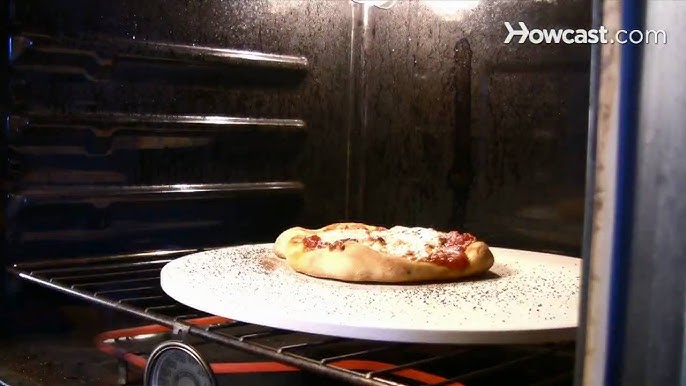
The art of pizza making has a long and storied history, with culinary traditions often relying on intense, even heat to achieve that signature crust. For centuries, bakers have used hot surfaces, from brick ovens to simple hearths, to rapidly cook dough, creating a delightful contrast of crispy exterior and tender interior. A pizza stone, essentially a slab made from heat-retaining materials like ceramic, cordierite, steel, or cast iron, replicates this ancient method in your home oven or grill. It works by absorbing and holding a tremendous amount of heat, then transferring that heat directly to your pizza dough. This rapid heat transfer ensures a quick rise and a beautifully browned, extra-crispy crust, effectively wicking away moisture to prevent that dreaded soggy bottom.
What Makes a “Set” Shine? Components and Their Magic
While a standalone pizza stone is a game-changer, a pizza stone set truly elevates the experience by providing all the essential tools you need for a seamless pizza-making journey. Think of it as your complete arsenal against bland, unevenly cooked pies. Typically, a quality pizza stone set will include:
- The Pizza Stone: This is the star of the show, a robust surface designed to achieve those professional-level crusts.
- Pizza Peel: Often made of wood or metal, a peel is indispensable for gracefully sliding your raw pizza onto the scorching hot stone and retrieving the cooked masterpiece without burning yourself. It’s the pizzaiolo’s magic wand!
- Pizza Cutter: A sharp, wheeled cutter ensures clean, effortless slices through your crispy crust and molten cheese.
- Occasionally: Some sets might include a rock rack for serving, multiple smaller pizza tiles for individual servings, or even a specialized brush/scraper for cleaning.
Having a complete pizza stone set means you’re not just buying a tool; you’re investing in a holistic experience that makes crafting perfect pizzas at home not only achievable but genuinely enjoyable.
Decoding the Materials: Choosing Your Perfect Pizza Stone Set
When selecting a pizza stone set, the material of the stone itself is a crucial consideration, as each offers unique characteristics that impact your pizza’s final texture and taste.
Cordierite & Ceramic
These are perhaps the most common materials for pizza stones, prized for their excellent heat absorption and distribution. Cordierite, a mineral ceramic, is particularly popular due to its superior resistance to thermal shock, meaning it’s less prone to cracking from sudden temperature changes. Ceramic stones deliver wonderfully crispy crusts by effectively drawing moisture away from the dough. They are generally lighter than steel or cast iron, making them easier to handle for some home cooks.
Steel
For those who crave the ultimate crispy, charred crust, a steel pizza stone set might be your best bet. Steel heats up significantly faster and retains heat more efficiently than ceramic or cordierite, reaching higher temperatures to give your pizza an incredibly crisp base. While heavier and often more expensive, steel stones are virtually indestructible and can last a lifetime, performing excellently in both ovens and on grills.
Cast Iron
A cast iron pizza pan or stone, often included in a versatile pizza stone set, is another fantastic option. Cast iron boasts exceptional heat retention and even heating, providing a robust surface that delivers a beautiful, evenly cooked crust. Many cast iron options come pre-seasoned, adding to their non-stick properties and making them easy to clean. Beyond pizza, cast iron is incredibly versatile, perfect for searing steaks, roasting vegetables, or baking bread. Its durability ensures it can withstand high temperatures and heavy use for years.
Mastering the Craft: A Step-by-Step Guide to Using Your Pizza Stone Set
Using your pizza stone set correctly is the key to unlocking its full potential and making those perfect pies. It’s simpler than you might think!
- Preparation is Key: Always place your pizza stone in a cold oven or grill before preheating. This gradual heating prevents thermal shock, which can cause cracking. Position it on the middle or top rack, depending on your oven’s broiler location.
- Preheat to Perfection: Turn your oven or grill to its highest temperature setting, typically 425-500°F (220-260°C) or even hotter if your oven allows. Crucially, let the stone preheat for at least 30-60 minutes after the oven reaches temperature. A truly hot stone is the secret to a crispy crust.
- The Art of the Launch: While your stone is heating, prepare your pizza. Lightly dust your pizza peel with cornmeal, rice flour, or semolina. This creates tiny ball bearings that allow your dough to slide effortlessly. Stretch your dough, add your sauce and toppings, then carefully slide the raw pizza from the peel onto the scorching hot pizza stone.
- Baking Brilliance: Bake your pizza for 5-12 minutes, or until the crust is golden brown, bubbly, and beautifully crispy, and the cheese is melted and lightly browned. Baking times will vary based on your oven, pizza thickness, and desired doneness.
- Beyond Pizza: Don’t limit your pizza stone set to just pizza! It’s fantastic for baking crusty bread, artisanal rolls, cookies, and even reheating leftovers like quesadillas, giving them a delightful crispness.
Insider Secrets: Tips and Tricks for Pizza Perfection
Achieving that elusive pizzeria-quality pizza at home is all about a few clever tricks that maximize your pizza stone set’s performance.
- Go Hot and Fast: The hotter your stone, the better the crust. Don’t be shy with your oven temperature; think maximum heat for optimal crispness.
- The Broiler Boost: For an extra blast of top-down heat, mimic a professional pizza oven by turning on your broiler for the last 1-2 minutes of baking. Just watch it carefully to prevent burning!
- Preventing the Stick: A generous dusting of cornmeal or rice flour on your pizza peel is your best friend. If your pizza still seems sticky, give the peel a gentle shake before attempting to slide the pizza onto the stone.
- Resist the Urge to Peek: Opening the oven door too often releases heat and can prolong baking, leading to a less crispy crust. Trust your preheated stone to do its job.
- Master the Dough: While your pizza stone set is a powerful tool, a good quality dough is foundational. Experiment with homemade recipes or find a reputable local bakery for fresh dough.
“Chef Isabella Rossi, a renowned Neapolitan pizza master, advises, ‘A high-quality pizza stone set isn’t just about the stone; it’s about the synergy of tools that empower you to truly master the art of homemade pizza.'”
The Undeniable Benefits of a Pizza Stone Set
Investing in a pizza stone set brings a host of advantages to your home kitchen, transforming your pizza-making experience:
- Restaurant-Quality Results: The intense, even heat from the stone mimics professional brick ovens, giving you a perfectly crispy, blistered crust every time.
- Even Cooking: Unlike a standard baking sheet that can create hot spots, a pizza stone distributes heat uniformly, ensuring your pizza cooks evenly from edge to center.
- Enhanced Flavor and Texture: The dry heat and rapid cooking process lead to a more flavorful crust with that characteristic chewy yet crisp texture.
- Moisture Management: The porous nature of many stones helps draw moisture from the dough, preventing a soggy bottom.
- Convenience of a Complete Kit: A pizza stone set provides all the necessary tools—stone, peel, cutter—making the process smooth, efficient, and enjoyable from start to finish.
“As culinary engineer Dr. Ethan Vance notes, ‘The thermal mass and porous nature of a cordierite pizza stone efficiently mimic professional ovens, drawing moisture from the dough to create that coveted airy, crisp crust.'”
Longevity and Luster: Caring for Your Pizza Stone Set
Proper care ensures your pizza stone set remains a cherished kitchen companion for years to come.
- Cool Down Slowly: After baking, always allow your pizza stone to cool completely inside the oven. Removing a hot stone to a cold countertop can cause thermal shock and lead to cracking.
- Cleaning Dos and Don’ts: For most ceramic or cordierite stones, do not use soap or detergent. These materials are porous and can absorb cleaning agents, which may impart unwanted flavors to your next pizza or cause smoking. Instead, use a stiff brush or a specialized scraper (often included in your set) to remove any baked-on food remnants once the stone is cool. For stubborn spots, a damp cloth can be used, but ensure the stone is thoroughly dry before its next use. Cast iron components can typically be washed with mild soap and water, but should be dried immediately and re-seasoned if necessary.
- Avoid Frozen Pizza (on a hot stone): Placing a frozen pizza directly onto a searing hot stone can also cause thermal shock and damage. If you must cook a frozen pizza, place it on the cold stone before preheating.
- Storage Recommendations: The best place to store your pizza stone is often right in your oven. This way, it’s always ready for your next pizza night and less likely to be subjected to rapid temperature changes.
Frequently Asked Questions About Pizza Stone Sets
Q: Do I really need a pizza stone set, or just a stone?
A: While a stone alone is beneficial, a pizza stone set offers a complete solution, usually including a pizza peel and cutter, which are essential for ease of use and safety. It provides a more streamlined and enjoyable pizza-making experience.
Q: How do I prevent my pizza from sticking to the stone?
A: The key is a well-preheated stone and a properly floured pizza peel. Generously dust your peel with cornmeal, semolina, or rice flour before assembling your pizza. This creates a non-stick layer that helps the pizza slide easily.
Q: Can I use my pizza stone set on a BBQ grill?
A: Absolutely! Many pizza stone sets are designed for both oven and grill use, especially those made from cordierite, steel, or cast iron. Just ensure the stone is heated gradually with the grill to prevent thermal shock.
Q: How long does a pizza stone set last?
A: With proper care, a high-quality pizza stone set can last for many years, even decades. Steel and cast iron stones are virtually indestructible, while ceramic and cordierite stones are durable but require careful handling to avoid drops and extreme thermal shocks.
Q: What’s the best material for a pizza stone in a set?
A: The “best” material depends on your preferences. Cordierite is excellent for its thermal shock resistance and crispy crusts. Steel offers superior heat retention and an incredibly crisp, fast bake. Cast iron is versatile and extremely durable. Consider what features are most important to you.
Conclusion
Embracing a pizza stone set is more than just buying a new kitchen gadget; it’s an invitation to elevate your culinary skills and bring the authentic taste of your favorite pizzeria right into your home. From understanding the nuanced materials to mastering the art of the perfect launch and caring for your tools, you now have the knowledge to create pizzas that will delight your family and impress your friends. So, ignite your passion, unleash your inner pizzaiolo, and prepare to embark on a delicious journey where every slice is a testament to the transformative power of a truly great pizza stone set. Happy baking!