There’s something undeniably magical about a perfectly crafted pizza. That crispy, airy crust, bubbling cheese, and perfectly cooked toppings – it’s a sensory delight that often feels reserved for your favorite pizzeria. But what if you could consistently achieve that same authentic, restaurant-quality experience right in your own kitchen? The secret weapon for many home chefs seeking this culinary triumph is the humble yet mighty Round Pizza Stone. This essential tool transforms your standard oven into a high-performance pizza hearth, ensuring every homemade pie is a masterpiece.
The Enduring Legacy of the Pizza Stone
The art of pizza making stretches back centuries, with traditional pizzas baked in blistering hot, wood-fired brick ovens. These ovens achieved incredible temperatures, cooking pizzas rapidly and imparting a uniquely crispy crust. For a long time, replicating this at home seemed like an impossible dream. Enter the pizza stone, a brilliant innovation designed to mimic the intense, even heat of those classic ovens. While baking sheets can cook a pizza, they often leave you with a soggy bottom or unevenly cooked dough. A round pizza stone, however, acts as a thermal battery, absorbing and radiating heat directly into your dough, unlocking a world of crispness and flavor that a metal pan simply can’t match.
Unveiling the Magic: Why a Round Pizza Stone?
Choosing a round pizza stone is more than just a nod to tradition; it’s a strategic move for optimal pizza baking. Its circular shape is inherently perfect for the classic, iconic pizza form, allowing for even heat distribution around the entire perimeter of your pie.
Enhanced Heat Distribution
One of the standout advantages of a pizza stone, especially a round one, is its ability to distribute heat uniformly across its surface. Made from porous materials like ceramic or cordierite, these stones absorb heat intensely and then radiate it steadily. This means goodbye to dreaded “hot spots” and hello to a consistently cooked crust, free from soggy centers or undercooked edges. The porous nature also actively draws moisture away from the dough, a crucial step in achieving that coveted crispness.
Crispier Crusts, Faster Cooks
Have you ever wondered why pizzeria pizzas cook so quickly and emerge with such a delightful crunch? It’s all about rapid, intense heat transfer. When raw pizza dough meets a screaming hot round pizza stone, the bottom of the crust begins to cook instantly, triggering a phenomenon known as “oven spring.” This rapid cooking, combined with the stone’s ability to pull away excess moisture, results in a crust that’s wonderfully crisp on the outside and often beautifully airy on the inside. This faster baking also means your toppings cook perfectly without overdoing it.
Mimicking a Professional Oven
The goal of any home pizzaiolo is to replicate the conditions of a commercial pizza oven. A round pizza stone is your closest ally in this quest. By preheating the stone with your oven to its highest temperature, you create a cooking environment that rivals a professional setup. The intense, direct heat from the stone creates a beautiful char and blistering on the crust, characteristic of true Neapolitan-style pizzas, providing an unparalleled texture and flavor profile.
A Deep Dive into Round Pizza Stone Materials
When selecting a round pizza stone, the material it’s made from plays a significant role in its performance and durability.
Cordierite: The High-Performance Choice
Many premium round pizza stones are crafted from cordierite, a mineral-rich ceramic known for its exceptional resistance to thermal shock. This means it can withstand the rapid temperature changes of a scorching oven without cracking, making it a highly durable and long-lasting option. Cordierite also boasts excellent heat retention and conductivity, ensuring your pizzas cook evenly and achieve a beautifully crispy base. It heats up efficiently and maintains its temperature, even when a cold pizza is placed on it.
Ceramic and Clay: Traditional and Effective
Traditional ceramic or clay pizza stones are also popular choices. They excel at absorbing and evenly distributing heat, leading to crisp crusts. These materials are often more affordable, making them a great entry point for home pizza making. However, ceramic stones can be more susceptible to thermal shock, so extra care is needed during heating and cooling to prevent cracks. Always place them in a cold oven before heating to gradually bring them up to temperature.
Your Step-by-Step Guide to Round Pizza Stone Mastery
Using a round pizza stone effectively is straightforward, but a few key steps will ensure you get the best results every time.
Preheating is Paramount
This is arguably the most critical step. Place your round pizza stone on the lowest or middle rack of a cold oven. Then, preheat your oven to its highest possible temperature, typically between 450°F and 550°F (230°C to 290°C). Once your oven reaches temperature, allow the stone to continue heating for at least another 30 to 60 minutes. This extended preheat time ensures the stone is thoroughly saturated with heat, ready to deliver that instant cooking power. As Chef Isabella Rossi, a renowned pizzaiola and culinary instructor, advises, “A well-preheated stone is the foundation of a truly great homemade pizza. Patience here pays off in crust perfection.”
The Slide to Success
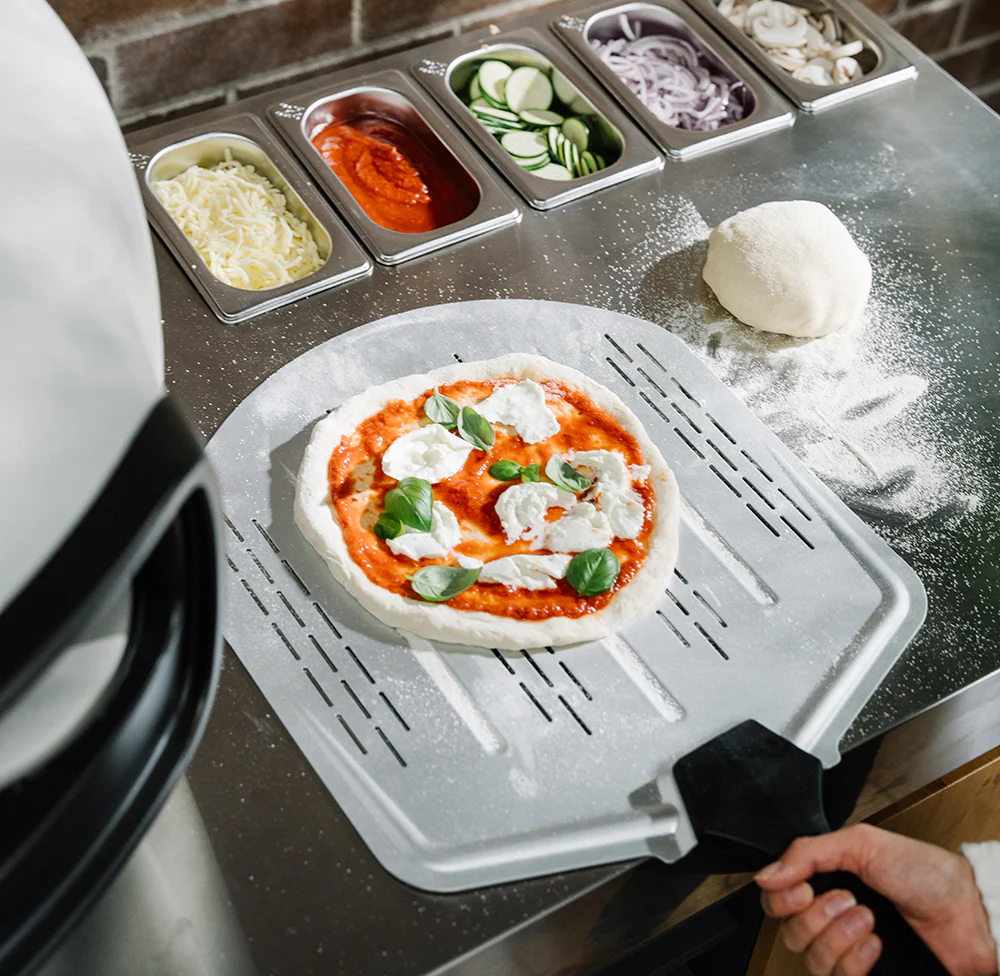
Once your stone is piping hot, it’s time to transfer your pizza. Lightly dust your pizza peel with cornmeal or semolina flour – this acts like tiny ball bearings, helping the dough slide smoothly. Stretch your dough, add your toppings (remembering not to overload!), then carefully slide your pizza from the peel directly onto the center of the hot round pizza stone with a quick, confident motion.
Baking Brilliance
Close the oven door quickly to retain heat. Your pizza will cook much faster than on a regular baking sheet, typically taking anywhere from 5 to 12 minutes, depending on your oven’s temperature and your desired doneness. Keep an eye on it! The crust should be golden brown and the cheese bubbly and slightly charred in spots.
The Grand Reveal
Using your pizza peel, carefully slide the cooked pizza off the stone. Transfer it to a cutting board and let it rest for a minute or two before slicing. This allows the cheese to set and prevents toppings from sliding off.
Expert Tips & Tricks for Pizzeria-Quality Pizza
Elevate your round pizza stone game with these insider tips:
- Don’t Overload: Keep toppings moderate to allow for even cooking and a crispy crust. Too many toppings can weigh down the dough and prevent it from cooking properly.
- Monitor for Doneness: Every oven is different. Get to know yours and visually check your pizza regularly. A good sign of doneness is a beautifully browned crust and melted, bubbling cheese.
- Invest in an Oven Thermometer: Many home ovens aren’t precisely calibrated. An independent oven thermometer can give you an accurate reading, ensuring your round pizza stone reaches its optimal temperature.
- Experiment with Dough: Different dough recipes will yield varying results. Play around with hydration levels and fermentation times to find your perfect crust. A thinner dough often benefits most from the intense heat of a pizza stone.
Beyond Pizza: The Versatility of Your Round Stone
While its name suggests a singular purpose, a round pizza stone is a surprisingly versatile kitchen tool. Its ability to provide consistent, even heat makes it ideal for a variety of baked goods:
- Artisan Breads: Achieve beautiful crusts and consistent rises for loaves, baguettes, and focaccia.
- Flatbreads: Perfect for pita bread, naan, and other flatbreads that benefit from high, direct heat.
- Baked Goods: Some home bakers even use their stones for cookies or pastries that require a consistently hot surface.
- Reheating Leftovers: Forget soggy microwave results! Reheat leftover pizza or other baked goods on a preheated stone for revived crispness.
Preserving Your Investment: Care and Maintenance
Proper care will ensure your round pizza stone lasts for years of delicious pizza making. Remember, these stones are porous and can be sensitive to sudden changes in temperature and harsh cleaning agents.
Cool Down Completely
After use, always allow your pizza stone to cool down completely within the oven. Rapid cooling, such as exposing a hot stone to cold water or a cold countertop, can cause thermal shock, leading to cracks. Patience is key here.
No Soap, Minimal Water
Pizza stones are naturally porous, meaning they can absorb flavors and odors. For this reason, avoid using soap or detergents, as these can seep into the stone and impart an unpleasant taste to your next pizza. Instead, once the stone is completely cool:
- Scrape Off Residue: Use a plastic or nylon spatula, or a stiff brush, to gently scrape away any stuck-on food bits, cheese, or burnt crust. Avoid metal utensils, which can scratch the surface.
- Wipe Clean: Use a damp cloth to wipe away any remaining crumbs or residue. You can use a very small amount of warm water on the cloth, but never submerge the stone or run it under a faucet for extended periods.
Tackling Stubborn Stains
It’s perfectly normal for your round pizza stone to darken and develop stains over time – this is called seasoning and it won’t affect performance. For particularly stubborn baked-on food or stains, create a paste using equal parts baking soda and water. Apply the paste to the stained area, let it sit for a few minutes, then gently scrub with a brush. Wipe clean with a damp cloth afterward.
Thorough Drying
Ensure the stone is completely dry before its next use. Any residual moisture absorbed by the stone can cause it to crack when exposed to high heat in the oven. Allow it to air dry thoroughly, ideally for several hours or overnight.
Storage
The best place to store your round pizza stone is often right in your oven. Not only does this keep it readily available for your next pizza night, but it also helps to equalize the oven’s heat distribution for all your other baking and roasting tasks. If you prefer to remove it, store it in a dry, safe place where it won’t be bumped or dropped.
Frequently Asked Questions about Round Pizza Stones
Q: Can I use a round pizza stone on a grill?
A: Absolutely! Many cordierite round pizza stones are designed to withstand the high temperatures of a grill, allowing you to achieve delicious, smoky pizzas outdoors. Always follow the manufacturer’s instructions for grill use.
Q: Do I need to season my round pizza stone?
A: Unlike cast iron, traditional ceramic or cordierite pizza stones generally do not require seasoning with oil. They will naturally darken and develop a patina over time, which is normal and desirable. Avoid using oil on the stone as it can cause smoking and residue buildup.
Q: How do I remove black spots from my pizza stone?
A: Black spots are typically baked-on food residue or natural seasoning. For stubborn spots, a paste of baking soda and water can be effective. Gently scrub the area with a brush, then wipe clean. Remember, some discoloration is normal and won’t affect the stone’s performance.
Q: What’s the ideal size for a round pizza stone?
A: The ideal size depends on your oven and the size of pizzas you typically make. Measure your oven’s interior to ensure a good fit, leaving some clearance for air circulation. A common size for home use is 14-16 inches in diameter, perfect for standard round pizzas.
Q: Can I put a frozen pizza directly on a hot pizza stone?
A: It is generally not recommended to place a frozen pizza directly onto a screaming hot pizza stone due to the risk of thermal shock, which can cause the stone to crack. Allow frozen pizzas to thaw slightly first, or follow the manufacturer’s specific guidelines.
Unleash Your Inner Pizzaiolo
The round pizza stone is more than just a kitchen accessory; it’s a gateway to exceptional homemade pizza. With its ability to replicate the intense, even heat of a professional oven, it empowers you to create crispy, perfectly cooked crusts that will delight your family and friends. Embrace the tradition, master the technique, and let your culinary creativity flourish. It’s time to transform your home kitchen into your favorite pizzeria and savor the unmatched joy of a truly great homemade pie.