There’s something uniquely satisfying about a perfectly baked pizza: a crust that’s both crispy and chewy, cheese that bubbles just right, and toppings that are melded into a symphony of flavors. For many home cooks, achieving this artisanal quality can feel like a challenge without a professional brick oven. But what if you could bring that experience home, even in the coziest kitchen? Enter the Small Pizza Stone, a humble yet mighty tool designed to transform your homemade pizzas from good to gourmet. This compact marvel isn’t just about saving space; it’s about unlocking a new level of culinary creativity, offering consistent, high-heat baking that elevates every slice.
What Exactly is a Small Pizza Stone?
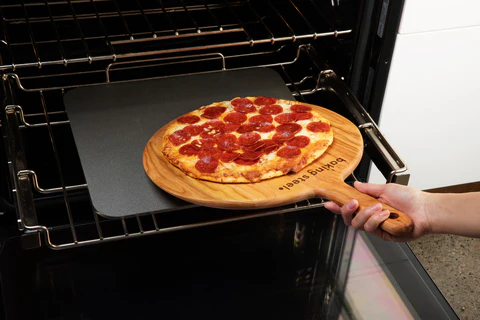
At its heart, a small pizza stone is a piece of stoneware (or a similar heat-retaining material) designed to mimic the intense, even heat of a traditional brick oven, but on a smaller scale. These stones absorb and retain heat remarkably well, and when a pizza is placed directly on their super-heated surface, they transfer that heat quickly and efficiently to the dough. This rapid heat transfer is crucial for achieving that coveted crispy crust that’s often elusive in standard home ovens. Historically, cultures have cooked on hot stones for millennia, and the modern pizza stone is a direct descendant of that ancient wisdom, bringing a touch of old-world authenticity to your modern kitchen.
Why Go Small? The Undeniable Benefits of a Compact Pizza Stone
Opting for a small pizza stone comes with a host of advantages that make it an attractive choice for many home bakers. It’s not just about miniature pizzas; it’s about efficiency, versatility, and sheer convenience.
- Space-Saving Champion: In today’s often compact living spaces—apartments, dorms, tiny homes, or even RVs—a full-sized pizza stone can be cumbersome. A small pizza stone fits perfectly without monopolizing precious cabinet real estate.
- Perfect for Personal Portions: Ever crave a pizza but don’t want to commit to a large one? A small pizza stone is ideal for individual pizzas, allowing everyone to customize their own. It’s also fantastic for single servings or quick snacks.
- Faster Preheating Times: A smaller mass means less time required to reach optimal baking temperature. While still needing adequate preheating for proper heat saturation, a small stone generally gets ready faster than its larger counterparts, getting you to pizza time sooner.
- Incredible Versatility: Think beyond the conventional oven! Many small pizza stones are perfectly sized for toaster ovens, electric grills, or even camping setups, expanding your pizza-making horizons.
- Portability and Easy Storage: Its lighter weight and smaller footprint make a compact pizza stone easy to move around, whether you’re taking it to a friend’s house or simply shifting it from the oven to storage.
Choosing Your Perfect Petite Pizza Companion: Types of Small Pizza Stones
When selecting a small pizza stone, the material is a key consideration, as each offers unique properties affecting performance and durability.
- Cordierite: This is arguably the most popular material for good reason. Cordierite stones are highly durable, exceptionally resistant to thermal shock (meaning they’re less likely to crack when exposed to rapid temperature changes), and boast excellent heat retention. They’re a reliable workhorse for high-temperature baking.
- Ceramic/Clay: Traditional ceramic or clay stones provide excellent heat distribution and absorb moisture well, resulting in a crisp crust. However, they can be more susceptible to thermal shock and breakage if not handled with care.
- Cast Iron: While not strictly a “stone,” cast iron pizza pans offer similar benefits. They’re incredibly durable, retain heat exceptionally well, and can be seasoned over time to develop a natural non-stick surface. They tend to be heavier but are virtually indestructible.
- Pizza Steel: A premium alternative, pizza steels heat up much faster than traditional stones and retain heat even more effectively, leading to exceptionally crispy crusts. They are also incredibly durable and immune to thermal shock, though they often come with a higher price tag.
“Don’t let a small kitchen limit your big pizza dreams!” advises Isabella “Bella” Rossi, a renowned culinary consultant. “A small pizza stone is a game-changer for individual servings, bringing that authentic, crispy crust experience right to your countertop or compact grill.”
When choosing, consider where you’ll be using your small pizza stone—a toaster oven might require a specific size—and your budget.
Mastering the Art: How to Use Your Small Pizza Stone for Flawless Results
Using a small pizza stone correctly is key to unlocking its full potential. It’s not complicated, but a few steps ensure optimal performance.
Preheating Protocol
Always place your small pizza stone in a cold oven before you turn it on. This prevents thermal shock, which can lead to cracking. Preheat your oven to its highest setting, typically between 450-550°F (230-290°C), for at least 30-60 minutes. The stone needs ample time to fully absorb and saturate with heat, becoming a scorching-hot surface ready for your dough.
Preparing Your Pizza
While the stone preheats, prepare your pizza. For easy transfer, dust your pizza peel generously with semolina flour or cornmeal. These coarse flours act like tiny ball bearings, helping the raw dough slide off effortlessly. Construct your pizza quickly on the peel to prevent sticking.
The Transfer: A Moment of Truth
Once your oven and stone are fully preheated, open the oven door and, with a quick, confident motion, slide your pizza from the peel directly onto the hot small pizza stone. Aim for precision to avoid disturbing the toppings.
Baking Brilliance
Bake your pizza until the crust is golden brown and the cheese is bubbly and slightly caramelized. Cooking times will vary depending on your oven, dough thickness, and toppings, but typically range from 5-10 minutes. Keep a close eye on it, especially if you’re aiming for a slightly charred, authentic look.
Cool Down, Gently
After baking, use your peel to remove the pizza. Allow the small pizza stone to cool down completely within the oven before attempting to remove or clean it. Removing a hot stone and exposing it to a colder environment too quickly is a common cause of thermal shock and cracks.
Expert Tips & Tricks for Next-Level Small Stone Pizzas
Even with a small pizza stone, a few pro tips can make a big difference in your pizza-making journey.
- Don’t Overload: For smaller pizzas, less is often more. Overloading with too many toppings can make the pizza soggy and difficult to cook evenly.
- Quality Ingredients: A great pizza starts with great ingredients. Invest in good quality dough, fresh mozzarella, and flavorful sauce.
- Pre-bake Wet Toppings: If you’re using very wet toppings like mushrooms or peppers, consider sautéing them lightly beforehand to remove excess moisture.
- High Hydration Dough: A higher hydration dough (more water) often yields a chewier, airier crust with nice charring on a hot stone.
- Keep it Simple (Initially): If you’re new to using a small pizza stone, start with a classic Margherita to get a feel for the process before experimenting with more complex creations.
Keeping Your Small Pizza Stone in Top Shape: Care and Maintenance
Proper care ensures your small pizza stone remains a trusty companion for countless pizza nights.
Cleaning: The No-Soap Rule
After the stone has completely cooled, scrape off any baked-on food bits with a stiff brush or a spatula. For more stubborn residue, you can create a paste with baking soda and water, scrub it on, and then wipe it clean with a damp cloth. Crucially, never use soap on your pizza stone. Stones are porous and can absorb soap, leading to soapy-tasting pizzas in the future.
Embrace the Stains
Don’t fret over dark spots or discoloration on your small pizza stone. These are natural and are often referred to as “seasoning.” Over time, these stains contribute to the stone’s non-stick properties and enhance its performance. A well-used stone tells a story!
Thermal Shock Prevention
As mentioned, gradual temperature changes are vital. Always place the stone in a cold oven for preheating and allow it to cool down with the oven after use. Avoid pouring cold water directly onto a hot stone or placing frozen items directly on a scorching hot surface.
Smart Storage
Store your small pizza stone in a safe place where it won’t be easily dropped or knocked around. Many people simply leave it in their oven, which can actually help with overall oven temperature stability during other baking tasks.
Frequently Asked Questions About Small Pizza Stones
Can I use a small pizza stone in a toaster oven?
Absolutely! Many small pizza stones are specifically designed to fit perfectly into toaster ovens, making them ideal for quick, single-serving pizzas. Just be sure to check the dimensions.
Do I need to season a small pizza stone?
Generally, natural pizza stones (cordierite, ceramic) do not require seasoning in the way cast iron does. They will naturally season over time with use, developing a non-stick surface from oils and residue.
How do I clean stubborn stains off my pizza stone?
For tough stains, scrape off as much residue as possible, then make a thick paste with baking soda and a little water. Apply it to the stain, let it sit for a few minutes, then scrub with a stiff brush and wipe clean with a damp cloth. Remember, no soap!
What’s the best material for a small pizza stone?
Cordierite is often recommended for its durability and resistance to thermal shock. However, cast iron or even a pizza steel can be excellent choices depending on your specific needs and budget.
How do I prevent my small pizza stone from cracking?
The most important rule is to avoid thermal shock. Always put your stone in a cold oven and let it heat up and cool down gradually with the oven. Never expose a hot stone to cold water or vice-versa.
Can a small pizza stone be used on a grill?
Yes, many small pizza stones, especially those made from cordierite or cast iron, are excellent for grill use. Place the stone on a cold grill, preheat the grill to a high temperature, and then bake your pizza for a smoky, outdoor flavor.
Unlock Your Inner Pizzaiolo
A small pizza stone is far more than just a kitchen gadget; it’s a gateway to creating restaurant-quality pizzas right in your own home. Whether you’re working with limited space, cooking for one, or simply love the idea of customizing individual pies, this compact tool delivers exceptional crispness and even baking every time. So, dust off your apron, fire up your oven, and embark on a delicious journey of pizza perfection. Your homemade pizza experience is about to get a whole lot better, one perfectly crafted, crispy-crusted slice at a time.