Are you on a quest for that legendary crispy crust and perfectly cooked pizza, right from your home oven or grill? Many home cooks dream of recreating the magic of a traditional brick oven, and the secret might just lie in a specialized baking tool. Enter the Soapstone Pizza Stone – a unique culinary companion designed to elevate your homemade pizza game. This isn’t just any stone; it’s a game-changer for anyone serious about crafting pizzeria-quality pies at home.
The journey to perfect pizza has a surprisingly ancient lineage. Before the modern pizza as we know it, humans were already harnessing the power of heated stones for baking. Imagine early civilizations using flat stones over open fires to cook flatbreads – the original “pizza stone” concept, thousands of years ago in the Paleolithic Age. Fast forward to the 1970s, and the pizza stone made its grand return to home kitchens, thanks to innovators like Pat Bruno, a Chicago food critic who saw the potential in bringing that intense, even heat to domestic ovens.
Generally, a pizza stone is a flat, oven-safe surface that mimics the radiant heat of a commercial pizza oven. It absorbs and retains high temperatures, then transfers that heat directly to your pizza dough, ensuring a rapid and even cook. This intense heat is crucial for achieving a beautifully browned, crispy crust that standard baking sheets just can’t deliver. Most traditional pizza stones are made from materials like ceramic or cordierite, which are known for their heat retention and ability to draw moisture from the dough.
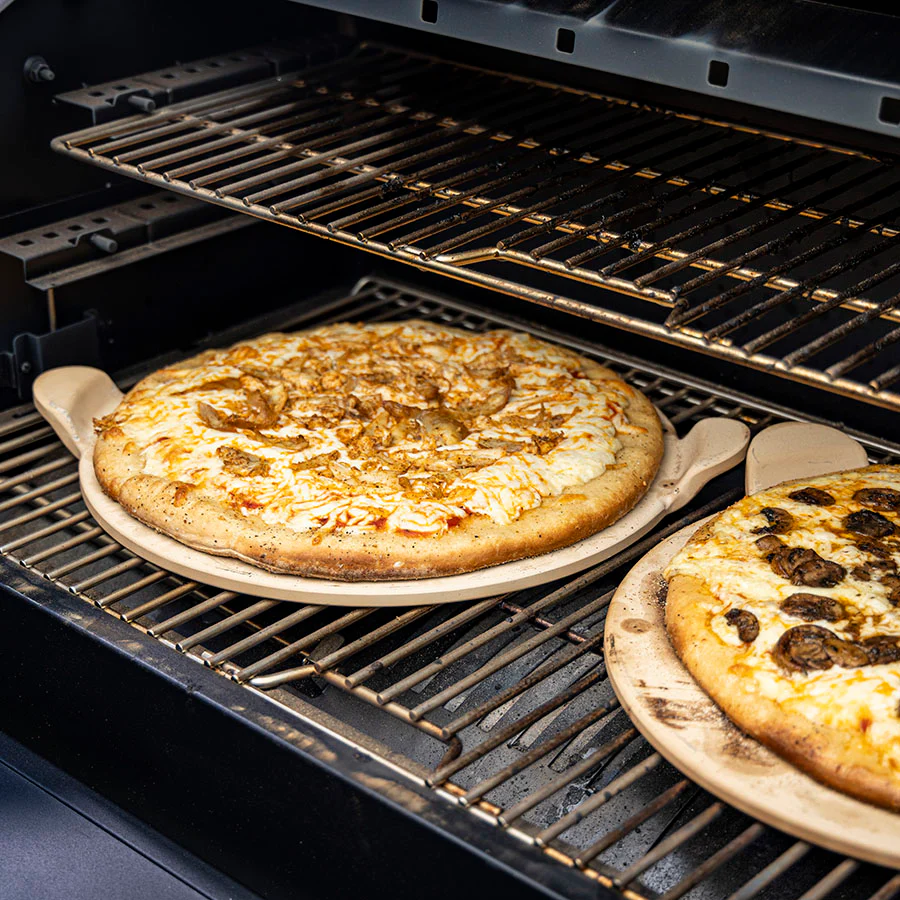
The Superiority of the Soapstone Pizza Stone
While other pizza stones offer significant improvements over a metal pan, the soapstone pizza stone stands out with its distinct advantages. Soapstone, also known as steatite, is a naturally occurring metamorphic rock primarily composed of talc. This unique composition gives it properties that make it an exceptional choice for baking pizza.
What makes soapstone so special?
- Exceptional Thermal Properties: Soapstone boasts impressive thermal mass, meaning it absorbs a lot of heat and holds onto it longer than most other materials. This sustained, even heat distribution cooks your pizza rapidly and thoroughly, replicating the intense environment of a masonry oven. Your crust gets that coveted crispness without uneven cooking.
- Non-Porous Nature: Unlike ceramic or cordierite stones which can be porous, soapstone is non-porous. This is a huge benefit! It means your stone won’t absorb flavors or odors from previous cooks, ensuring each pizza tastes exactly as it should. It also makes cleaning a breeze and resists bacteria growth.
- Durability and Versatility: Soapstone is renowned for its durability. It can withstand incredibly high temperatures and is less prone to cracking from thermal shock compared to some other stone types. Plus, a soapstone pizza stone isn’t just for the oven; its robust nature makes it perfect for use on outdoor grills, adding a smoky char to your pizzas. In fact, many users find it superior for achieving stable, even temperatures in wood-fired ovens like Ooni, where other stones might struggle.
- Unique Browning and Crisping: The consistent and long-lasting heat from soapstone helps create a remarkable browning and crisping of the crust that’s often difficult to achieve with other materials.
“A soapstone pizza stone isn’t just a tool; it’s an investment in consistently superior pizza,” says Chef Isabella Rossi, a renowned pizzaiolo and culinary instructor. “Its ability to maintain steady, high heat and its non-porous surface truly set it apart, ensuring a perfect crust every single time without flavor transfer.”
A Detailed Guide: Using Your Soapstone Pizza Stone
Ready to turn your kitchen into a home pizzeria? Using your soapstone pizza stone correctly is key to unlocking its full potential.
Step-by-Step Usage:
- Placement: Always place your soapstone pizza stone in a cold oven. Positioning it on the middle rack is usually ideal. For grill use, place it on the grates before igniting.
- Preheating is Paramount: This is the most crucial step! Preheat your oven (with the stone inside) to its highest temperature, typically 500-550°F (260-290°C). For the best results, let the stone preheat for at least 45 minutes to an hour after the oven reaches the target temperature. This ensures the stone is thoroughly saturated with heat.
- Prepare Your Pizza: While the stone preheats, assemble your pizza on a lightly floured or cornmeal-dusted pizza peel. This will help it slide easily. Don’t overload your pizza, as too many toppings can make it difficult to transfer and may result in a soggy center.
- Launch the Pizza: Once your stone is piping hot, carefully slide your pizza from the peel onto the center of the stone. A quick, confident motion is best.
- Bake to Perfection: Bake your pizza according to your recipe, usually 5-10 minutes for a thin-crust pizza, until the crust is golden brown and the cheese is bubbly and lightly charred.
- Retrieve and Enjoy: Use your pizza peel to carefully remove the cooked pizza from the stone. Let it cool for a minute or two before slicing and serving.
Tips and Tricks for a Perfect Soapstone Pizza
Want to elevate your pizza even further with your soapstone pizza stone? Here are some pro tips:
- Why is my pizza sticking to the soapstone pizza stone?
- Ensure your pizza peel is well-floured or dusted with cornmeal before assembling your pizza. Work quickly to transfer the pizza to the stone before the dough has a chance to soak up the flour and stick.
- How do I get a super crispy crust with my soapstone pizza stone?
- Achieve maximum oven temperature and extend the preheating time for the stone. The hotter the stone, the faster and crisper your crust will become, mimicking a true brick oven.
- Can I use my soapstone pizza stone for other foods?
- Absolutely! Soapstone is incredibly versatile. Its excellent heat retention makes it fantastic for baking bread, searing steaks, cooking vegetables, or even making smash burgers right on your grill.
- Should I season my new soapstone pizza stone?
- While some pizza stones don’t require seasoning, it’s often recommended for soapstone. To season your soapstone pizza stone, apply a thin layer of vegetable oil to all sides, wipe off any excess, and bake it in the oven at 350°F (175°C) for 45 minutes to two hours. This process darkens the stone and can enhance its natural non-stick properties. You may repeat this if the stone lightens over time.
- What if I don’t have a pizza peel?
- A rimless baking sheet can work in a pinch. Prepare your pizza on parchment paper on the inverted baking sheet, then slide the parchment and pizza onto the hot stone. Be extra careful!
The Undeniable Benefits of Using a Soapstone Pizza Stone for Homemade Pizza
Beyond just a crispy crust, a soapstone pizza stone brings a host of benefits to your home pizza-making endeavors:
- Authentic Taste and Texture: It genuinely creates the kind of crust you usually only find at your favorite pizzeria – crisp on the outside, tender on the inside, with a perfect chew.
- Faster Cooking Times: The intense, even heat can significantly cut down on baking time, sometimes nearly in half, compared to baking on a standard tray. This means less waiting and more enjoying!
- Consistent Results: Once you master your technique, you can expect consistently excellent results batch after batch, making you the pizza hero of your household.
- Versatility Beyond Pizza: As mentioned, it’s not a one-trick pony. From artisan bread to grilled veggies and seared meats, your soapstone stone will become a go-to cooking surface.
- Healthier Cooking: The non-porous surface resists bacteria, making it a hygienic choice for your kitchen. And since it requires little to no additional oil once seasoned, it can contribute to healthier meal preparation.
Caring for Your Soapstone Pizza Stone to Ensure Longevity
To keep your soapstone pizza stone in prime condition for years of delicious pizzas, proper care is essential.
Cleaning and Maintenance:
- Cool Down Completely: Always allow your soapstone pizza stone to cool down to room temperature before attempting to clean or handle it. This can take several hours due to its excellent heat retention. Never expose a hot stone to cold water, as this can cause thermal shock and lead to cracking.
- Cleaning is Easy: Since soapstone is non-porous, cleaning is straightforward. Unlike other porous stones where soap is a no-go, you can actually use warm water and a mild soap detergent on your soapstone.
- Remove Stubborn Bits: For any stuck-on food, use a stiff brush or a metal scraper. Don’t worry about minor scratches, as soapstone can easily be sanded with fine-grit sandpaper (like 120 grit) to restore its smooth surface.
- Drying: After washing, ensure the stone is thoroughly dry before storing or its next use.
- Re-seasoning (Optional): If you notice your seasoned stone lightening in color over time, you can repeat the oiling process without needing to bake it again.
Frequently Asked Questions About Soapstone Pizza Stones
1. How does a soapstone pizza stone differ from a ceramic or cordierite pizza stone?
A soapstone pizza stone is non-porous, meaning it won’t absorb flavors or moisture, leading to a crisper crust and easier cleaning. Ceramic and cordierite stones are porous and can absorb oils and odors, which means they typically cannot be cleaned with soap. Soapstone also tends to retain heat for longer.
2. Can I put a frozen pizza directly on a soapstone pizza stone?
Yes, you can! Just ensure your soapstone pizza stone is fully preheated to the recommended temperature. Placing a frozen pizza on a hot stone can still yield a crispier crust than a baking sheet.
3. Will my soapstone pizza stone crack?
While highly durable and resistant to thermal shock compared to some other materials, extreme temperature changes can still cause damage. Always preheat your stone with the oven and allow it to cool gradually.
4. How thick should a good soapstone pizza stone be?
Thicker stones generally retain heat better and longer, contributing to a more consistent bake. Common thicknesses range from ¾ inch to over an inch. A thicker stone will also take longer to preheat.
5. Can I use olive oil to season my soapstone pizza stone?
Yes, vegetable oil or olive oil are suitable for seasoning your soapstone pizza stone. This process helps to cure the stone and can improve its non-stick properties over time.
6. Do soapstone pizza stones require any special care for grilling?
When using your soapstone pizza stone on a grill, the same preheating and cooling principles apply. Ensure it heats up gradually with the grill. Some users even place a ceramic plate setter beneath it to shield it from intense direct flame, though soapstone is quite robust.
Conclusion
The soapstone pizza stone is a remarkable tool that truly empowers you to create exceptional homemade pizzas. Its natural thermal properties, non-porous surface, and impressive durability make it a standout choice for any pizza enthusiast. By understanding its unique characteristics and following proper usage and care guidelines, you’ll be well on your way to enjoying consistently crispy, perfectly cooked pizzas that rival your favorite pizzeria. So go ahead, embrace the power of soapstone, experiment with your favorite toppings, and share the joy of truly fantastic homemade pizza!