Are you tired of lackluster homemade pizzas with soggy bottoms and pale crusts? The quest for that perfect, crispy, pizzeria-quality pie at home often leads us down many culinary paths. For years, the traditional ceramic or cordierite pizza stone was the go-to tool for home bakers. However, a newer, more robust player has entered the scene, revolutionizing the way we bake: the Stainless Steel Pizza Stone. This innovative piece of kitchen equipment is quickly becoming a favorite among pizza enthusiasts for its superior performance and unwavering durability, promising to elevate your pizza game to professional levels.
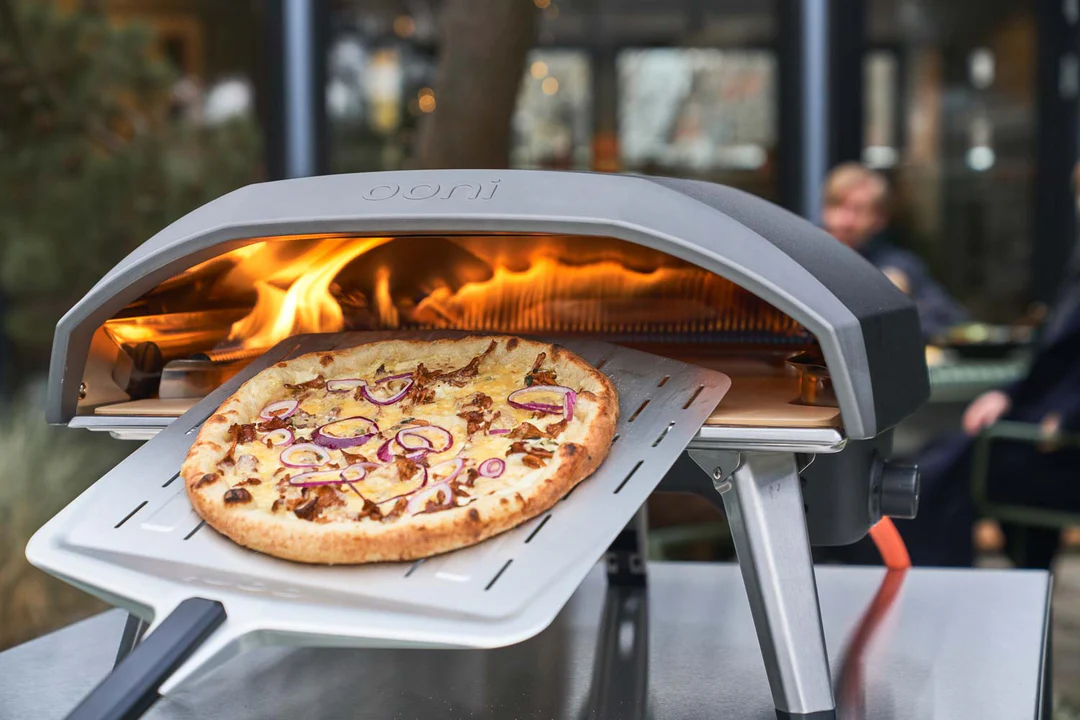
The Evolution of Pizza Stones: From Clay to Stainless Steel
The concept of using a heat-retaining surface to cook pizza dates back centuries, mimicking the intense, even heat of a brick oven. Traditional pizza stones, typically made from ceramic, cordierite, or clay, absorb heat and then release it gradually to the pizza dough, helping to create a crispier crust than a standard baking sheet.
While these traditional stones offered a significant upgrade over baking on a bare oven rack, they came with their own set of challenges. They often required long preheating times, could be susceptible to thermal shock (cracking when exposed to rapid temperature changes), and were notoriously difficult to clean due to their porous nature. Enter the stainless steel pizza stone, a modern marvel engineered to address these very limitations, offering an enhanced baking experience that combines efficiency with incredible resilience.
What Makes Stainless Steel Pizza Stones Stand Out?
A stainless steel pizza stone isn’t just another kitchen gadget; it’s a game-changer designed for those who truly appreciate a perfectly cooked pizza. Its unique properties provide several distinct advantages.
Unrivaled Heat Conductivity for a Crispier Crust
The most significant benefit of a stainless steel pizza stone lies in its exceptional thermal conductivity. Steel transfers heat far more efficiently than ceramic or cordierite, often reported to be 18 to 20 times faster. What does this mean for your pizza? It translates directly to an instant sizzle when the dough hits the hot surface, promoting rapid oven spring and a beautifully blistered, evenly browned, and incredibly crispy crust. You’ll achieve that sought-after leopard-spotted base in a fraction of the time, without drying out your toppings. This direct, intense heat transfer closely mimics the high temperatures found in commercial pizza ovens, giving you authentic results right in your home kitchen.
Built to Last: The Durability Advantage
If you’ve ever owned a traditional pizza stone, chances are you’ve experienced the heartbreak of a cracked stone. Ceramic and cordierite stones, while effective, are brittle and prone to breaking from thermal shock, accidental drops, or even residual moisture. A stainless steel pizza stone, on the other hand, is virtually indestructible. Crafted from thick, heavy-duty stainless steel, it can withstand extreme temperatures, sudden temperature fluctuations, and countless knocks without flinching. This means a lifetime of perfect pizzas, offering peace of mind and excellent long-term value. “The resilience of stainless steel in high-heat environments makes it an unparalleled choice for serious home chefs,” notes culinary engineer Dr. Elara Vance. “It’s truly a ‘buy once, use forever’ investment.”
Beyond Pizza: Your Versatile Kitchen Companion
While its name highlights pizza, a stainless steel pizza stone is far more versatile than you might imagine. Its ability to retain and transfer heat so effectively makes it a fantastic tool for a variety of other culinary applications. Imagine using it on your BBQ grill as a flat-top for sizzling smash burgers, cooking crispy bacon, or caramelizing onions. It’s also excellent for baking artisan breads like sourdough and focaccia, providing an incredible “oven spring” and a wonderfully crisp bottom crust. Even reheating leftovers, particularly pizza or pastries, on a hot steel brings them back to life with their original crispness.
Getting Started: How to Use Your Stainless Steel Pizza Stone
Using a stainless steel pizza stone effectively is straightforward, but a few key steps will ensure you get the best results every time.
- Placement: Always place your cold stainless steel pizza stone in a cold oven. This gradual heating prevents any potential (though unlikely for steel) thermal shock and ensures the stone heats evenly. Position it on the middle or bottom rack for optimal crust development.
- Preheat Like a Pro: This is perhaps the most crucial step. Preheat your oven to its highest temperature, typically between 475°F and 550°F (240°C to 290°C). Allow the stainless steel pizza stone to preheat for at least 30-60 minutes after the oven indicates it has reached temperature. The longer preheat ensures the steel is thoroughly saturated with heat, ready to deliver that intense burst to your pizza.
- Prepare Your Pizza: While the steel heats, assemble your pizza on a lightly floured or cornmeal-dusted pizza peel. This will help the pizza slide easily off the peel onto the hot surface.
- Launch Your Pizza: Once the stone is screaming hot, carefully slide your prepared pizza directly onto the stainless steel surface using a pizza peel. Work quickly to minimize heat loss from the oven.
- Bake to Perfection: Bake your pizza for 5-10 minutes, depending on your oven’s power, crust thickness, and desired doneness. Keep a close eye on it, as stainless steel cooks much faster than traditional stones. The crust should be golden brown and bubbly, and the cheese melted and slightly charred in spots.
- Rest and Enjoy: Use your pizza peel to remove the cooked pizza. Allow it to rest for a minute or two before slicing and serving. This helps the cheese set and prevents toppings from sliding off.
Caring for Your Stainless Steel Pizza Stone: Simple Steps for Longevity
One of the great joys of owning a stainless steel pizza stone is how forgiving it is to clean and maintain.
- Cool Down Naturally: After use, simply turn off your oven or grill and leave the steel inside to cool down completely. Never plunge a hot steel into cold water, as extreme temperature changes, though less critical for steel than ceramic, are best avoided.
- Easy Cleaning: Unlike porous ceramic stones that absorb oils and can develop stains, stainless steel is non-porous. For most messes, a metal scraper or spatula can remove any stuck-on bits. Then, wash it with hot water and a mild dish soap, just like any other pan. Some stainless steel models are even dishwasher safe for ultimate convenience. Wipe it dry immediately or allow it to air dry completely to prevent water spots.
- No Seasoning Required (Typically): While some “pizza steels” (often carbon steel) benefit from seasoning like cast iron, most true stainless steel pizza stones do not require this. Their rust-resistant properties make seasoning unnecessary, though some users might choose to lightly oil it for additional non-stick benefits and a darker patina over time.
- Storage: Store your clean, dry stainless steel pizza stone in your oven, on a shelf, or in a cabinet. Its flat profile makes it easy to store, despite its weight.
Stainless Steel vs. Traditional Stones: A Head-to-Head Comparison
To truly understand why a stainless steel pizza stone is a superior choice, let’s look at how it stacks up against its traditional counterparts.
| Feature | Stainless Steel Pizza Stone | Ceramic/Cordierite Pizza Stone |
|---|---|---|
| Heat Conductivity | Excellent (18-20x faster than ceramic) | Good, but slower heat transfer |
| Durability | Virtually indestructible, thermal shock resistant | Brittle, prone to cracking from thermal shock or drops |
| Preheat Time | 30-60 minutes for full heat saturation | 45-90 minutes typically, can cool down quickly upon dough contact |
| Crust Result | Exceptionally crispy, often blistered, rapid oven spring | Crispy, but can sometimes lead to a less pronounced “oven spring” |
| Maintenance | Easy to clean with soap and water, often dishwasher safe | Difficult to clean (porous, absorbs oils, no soap), prone to staining |
| Versatility | Oven, grill, stovetop (as griddle), baking bread, searing | Primarily oven or grill, limited other uses |
| Cost | Higher upfront investment, but excellent long-term value | Generally more affordable, but may require frequent replacement |
| Weight | Heavier | Lighter |
Expert Insight
“For the home baker who craves a truly authentic, crispy pizza crust, upgrading to a stainless steel pizza stone is a no-brainer,” says Chef Isabelle Dubois, a renowned artisan baker and culinary consultant. “Its ability to maintain and transfer intense heat quickly is unmatched, mimicking professional ovens in a way traditional stones simply can’t. Plus, its incredible durability means it will be a cornerstone of your kitchen for years to come.”
Frequently Asked Questions
Q1: Is stainless steel the same as baking steel?
While often used interchangeably, “baking steel” is a broader term that can include both stainless steel and carbon steel. Stainless steel pizza stones are specifically made from rust-resistant stainless steel alloys, whereas some “baking steels” are made from carbon steel, which might offer even higher conductivity but often requires seasoning to prevent rust.
Q2: Can I use my stainless steel pizza stone on a grill?
Absolutely! Stainless steel pizza stones are highly versatile and perform exceptionally well on outdoor grills, including charcoal and gas BBQs. The intense, direct heat from a grill further enhances the stone’s ability to create a smoky flavor and a perfectly charred, crispy crust.
Q3: How hot should I preheat my stainless steel pizza stone?
For best results, preheat your oven or grill to its maximum temperature, typically between 475°F to 550°F (240°C to 290°C). It’s crucial to let the stainless steel pizza stone heat up for at least 30-60 minutes after the oven reaches temperature to ensure it’s fully heat-saturated.
Q4: Do stainless steel pizza stones need to be seasoned?
Generally, no. Authentic stainless steel pizza stones are naturally rust-resistant and non-porous, meaning they don’t require seasoning like cast iron or carbon steel. You can clean them with soap and water without issue. Some users might choose to lightly oil it for a non-stick boost or to develop a darker patina over time, but it’s not a requirement for function.
Q5: How do I prevent pizza from sticking to the stainless steel stone?
To prevent sticking, ensure your pizza peel is well-dusted with flour, cornmeal, or semolina before assembling your pizza. You can also lightly dust the hot stainless steel pizza stone itself with a tiny bit of cornmeal before launching the pizza. Work quickly when transferring your pizza to the hot surface.
Conclusion
The stainless steel pizza stone is truly a modern marvel for any home cook aspiring to make restaurant-quality pizza. Its unparalleled heat conductivity ensures an incredibly crispy crust, while its robust durability promises a lifetime of delicious meals without the worry of cracks or fuss. From perfect pizzas to artisan breads and even searing, this versatile tool is an investment that pays dividends in flavor and convenience. So, go ahead, unlock your inner pizzaiolo, and transform your homemade pizza nights with the enduring power of stainless steel!