There’s a unique magic to a truly great pizza, isn’t there? That perfect harmony of a crispy, airy crust, bubbling cheese, and perfectly cooked toppings. If you’ve ever dreamt of recreating that authentic pizzeria experience right in your own kitchen, then understanding the world of Stone Baked Pizza is your golden ticket. It’s more than just a cooking method; it’s a gateway to elevating your homemade pizza game from good to absolutely glorious.
What Exactly is Stone Baked Pizza?
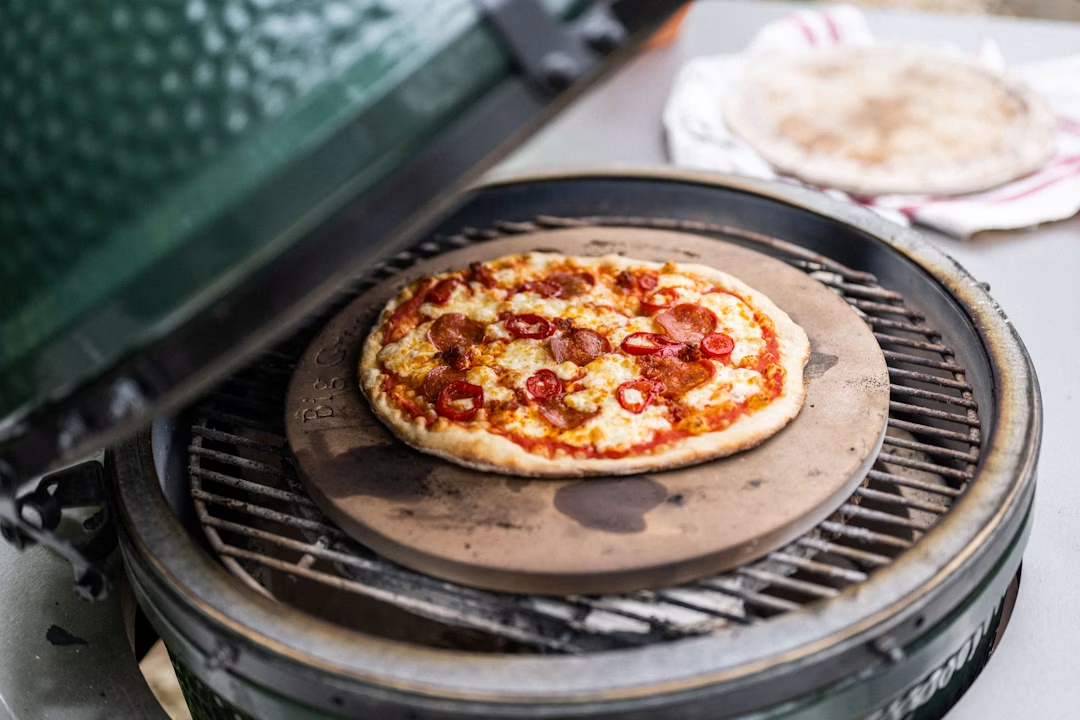
At its heart, stone baked pizza refers to pizza cooked directly on a heated stone surface, often within a dedicated pizza oven or on a specialized pizza stone in a conventional oven. This technique cleverly mimics the ancient masonry ovens that have been used for centuries, imparting a distinct quality to the crust that’s hard to achieve otherwise. The stone, typically made from materials like ceramic or cordierite, absorbs and radiates heat with remarkable efficiency, ensuring your pizza base cooks evenly and quickly. The result? A pizza with a beautifully crispy bottom, a wonderfully chewy interior, and a crust that truly sings.
While many might associate this with the smoky notes of wood-fired pizza, the core distinction lies in consistency. Wood-fired ovens use burning wood as the primary heat source, imparting a unique smoky flavor and char, but can sometimes lead to inconsistent heat. Stone baked, on the other hand, excels in even heat distribution and precise temperature control, giving you a consistently perfect pie every time.
The Undeniable Benefits of Stone Baked Pizza at Home
Bringing the stone baked pizza experience into your home oven offers a cascade of benefits that will transform your pizza nights forever.
Crispy Crust Perfection
This is often the holy grail for home pizza makers, and a pizza stone delivers. Its porous surface works wonders by absorbing excess moisture from the dough as it cooks. This direct heat transfer and moisture absorption are crucial for developing that quintessential, restaurant-quality crispiness that prevents a gummy texture, ensuring every bite has that satisfying crunch.
Even Heat Distribution
Tired of soggy middles and burnt edges? A pizza stone is your secret weapon. Regular metal baking sheets can lead to uneven cooking, but the stone’s ability to maintain and distribute heat uniformly across the pizza base eliminates “hot spots” in your oven. This means your crust cooks thoroughly and evenly, from the center to the very edge.
Faster Cooking Times
When raw pizza dough hits a super-heated stone, the base begins to cook immediately due to intense, direct heat transfer. This rapid absorption of heat significantly reduces the overall cooking time, often to just 10-15 minutes at high temperatures. Faster cooking not only gets dinner on the table quicker but also helps achieve better caramelization on the crust, enhancing flavor.
Elevated Flavor and Texture
Beyond just crispiness, using a pizza stone elevates the overall flavor and texture of your pizza. The intense heat promotes a rapid rise in the dough, leading to a lighter, airier crust. The even cooking also ensures that toppings are perfectly done without overcooking or remaining raw, creating a harmonious blend of flavors and textures in every slice.
Beyond Pizza: Versatility for Other Baked Goods
Don’t let the name fool you – a pizza stone is a versatile kitchen workhorse! It’s fantastic for baking other dough-based goods like artisan bread, focaccia, calzones, flatbreads, and even rolls, giving them a delightful crisp exterior. It essentially transforms your home oven into a more capable, brick-oven-like environment for a variety of baking projects.
Choosing Your Perfect Pizza Stone: Materials and More
Selecting the right pizza stone is a bit like choosing a loyal kitchen companion. Each material brings its own strengths and weaknesses to the table.
Ceramic Pizza Stones
These are a popular and often budget-friendly choice. Made from various clays, ceramic stones are known for their excellent heat absorption and even heat distribution. They take a bit longer to heat up but cook consistently and create wonderfully crisp crusts. Their main drawback is their susceptibility to cracking from thermal shock if not handled carefully, or from accidental drops.
Cordierite Pizza Stones
If durability is high on your list, cordierite is a fantastic option. This mineral is frequently used for kiln shelves, making it exceptionally robust and resistant to high temperatures and thermal shock, meaning it’s less prone to cracking. Cordierite stones absorb moisture well and retain heat efficiently, ensuring a consistently crispy crust. They tend to be a bit more expensive than ceramic, but their longevity often makes them a worthwhile investment.
Steel and Cast Iron Baking Surfaces
While technically not “stones,” baking steels and cast iron pizza pans are highly effective alternatives. Steel is an exceptional heat conductor, heating up faster and delivering incredibly crisp crusts even at slightly lower oven temperatures compared to traditional stones. Cast iron also retains heat remarkably well. Both are very durable but can be quite heavy and, unlike ceramic or cordierite, often require seasoning to prevent rust and maintain a non-stick surface.
Shape and Thickness
Pizza stones come in both round and rectangular shapes. Rectangular stones often fit more efficiently in standard home ovens, while round ones offer the traditional pizza canvas. The thickness matters too: thicker stones (around 3 cm or more) take longer to preheat but offer superior heat retention and distribution, while thinner ones (around 1 cm) heat up faster.
Mastering the Stone: A Step-by-Step Guide to Using Your Pizza Stone
Using a pizza stone effectively is all about understanding heat. Here’s how to get started and achieve that perfect stone baked pizza.
Preparation is Key
Always place your pizza stone in a cold oven before you turn it on. This is crucial to prevent thermal shock, which can cause your stone to crack. Position it on the middle or lower-middle rack. Then, set your oven to its highest temperature, typically between 450°F and 500°F (230°C to 260°C).
Preheating for Perfection
This is arguably the most critical step. You need to preheat your stone for a good 30 minutes to an hour, or even longer (up to 1.5 hours if your stone is particularly thick), after your oven has reached its target temperature. This extended preheating time allows the stone to fully absorb and saturate with heat, becoming a scorching-hot surface ready to instantly crisp your pizza crust.
“Many home cooks underestimate the power of proper preheating,” explains Chef Isabella Rossi, a renowned pizzaiolo and culinary instructor. “You’re not just heating the oven; you’re building up an intense, stable heat reserve within the stone itself. That’s what gives you that incredible blast of initial heat, mimicking a professional pizza oven and creating an unforgettable crust.”
Dough and Topping Prep
While your stone is heating, prepare your pizza dough and toppings. Roll or stretch your dough to your desired thickness. Be mindful not to overload your pizza with too many toppings, as this can make it heavy, difficult to transfer, and potentially lead to a soggy center despite the stone.
The Art of Transfer
This step requires a bit of practice but is easily mastered. Lightly dust your pizza peel with cornmeal or semolina flour. Avoid using regular flour as it can burn on the hot stone. Quickly assemble your pizza on the floured peel. Once ready, swiftly slide the pizza off the peel and onto the preheated stone in the oven. A quick, confident jerk of the peel is usually all it takes.
Baking to Golden Brown
Bake your pizza for typically 8-15 minutes, depending on your oven’s heat and desired crispiness. Keep an eye on it! The crust should be golden brown, the cheese bubbling and slightly caramelized, and any exposed crust edges should have a nice char. Once cooked, use your pizza peel to carefully remove the hot stone baked pizza from the oven. Let it rest for a minute or two on a cutting board before slicing and serving.
Tips and Tricks for Your Best Stone Baked Pizza Yet
- Don’t Overload: As mentioned, too many toppings can weigh down your pizza and release excess moisture, working against the stone’s crisping power. Keep it simple and let the quality of your ingredients shine.
- Use Fresh Ingredients: High-quality fresh ingredients, from your dough to your sauce and cheese, make a world of difference in the final taste of your stone baked masterpiece.
- Dough Quality Matters: Invest in good quality pizza dough, or better yet, try making your own! A well-hydrated, properly proofed dough is the foundation of any great pizza.
- Monitor Your Pizza: Ovens can vary. Get to know how your oven and stone perform. Watch for signs of doneness – bubbling cheese, golden crust, and a slight char on the edges.
- Rotate (If Needed): If you notice uneven browning, a quick rotation of your pizza halfway through baking can ensure a perfectly even cook.
Preserving Your Stone: Essential Care and Maintenance
Proper care will ensure your pizza stone remains a faithful companion for countless pizza nights.
Cool Down Completely
The golden rule of pizza stone care: always allow your stone to cool down completely to room temperature inside the oven before attempting to clean it. Introducing cold water or air to a hot stone can cause thermal shock, leading to cracks or even shattering.
Scrape, Don’t Scrub with Soap
Once cool, use a plastic spatula, dough scraper, or a stiff nylon brush to gently scrape off any stuck-on food residue or burnt bits. Never, ever use soap or detergents. Pizza stones are porous and will absorb soap, which can then leach into your food, leaving an unpleasant soapy aftertaste that’s impossible to remove. Avoid metal utensils, as they can scratch the surface.
No Soaking, No Dishwashers
Just like soap, prolonged exposure to water is a no-go. Do not soak your pizza stone, and absolutely do not put it in a dishwasher. The stone can absorb too much moisture, making it prone to cracking when exposed to high heat again.
Tough Stains? Baking Soda Paste
For stubborn, baked-on stains, a paste made from equal parts baking soda and water can be a lifesaver. Apply the paste, let it sit for a few minutes, then gently scrub with a brush or damp cloth. Rinse sparingly with a damp cloth afterward.
Air Dry Thoroughly
After wiping down, ensure your stone is completely air dry before its next use or storage. Residual moisture can lead to cracking when the stone is heated.
Embrace the Seasoning
Over time, your pizza stone will naturally darken and develop stains. This is perfectly normal and actually a sign of a well-used, seasoned stone! These marks won’t affect the performance or taste of your food; they’re simply part of its unique character.
“Think of the darkening and staining as your stone’s story,” says Chef Rossi. “It’s building up its own non-stick properties and a unique patina. Trying to make it look brand new will often do more harm than good. A well-loved stone is a happy stone, and it makes delicious pizza!”
Frequently Asked Questions About Stone Baked Pizza
Q: Can I use parchment paper on a pizza stone?
A: While possible, it’s generally not recommended. Parchment paper isn’t designed for the extremely high temperatures a pizza stone reaches and can sometimes burn or char. It also creates a barrier that prevents the stone from directly crisping the crust as effectively.
Q: What temperature should I preheat my oven to for stone baked pizza?
A: For optimal results, preheat your oven to its highest possible setting, usually between 450°F and 500°F (230°C to 260°C). This high heat is essential for a quick cook and a crispy crust.
Q: How do I prevent my pizza from sticking to the stone?
A: The best way to prevent sticking is by ensuring your stone is adequately preheated and by dusting your pizza peel generously with cornmeal or semolina before transferring the pizza. The tiny granules act like ball bearings, allowing the pizza to slide off smoothly.
Q: Can I use my pizza stone on a grill?
A: Yes, many pizza stones (especially those made of cordierite or steel) are safe for use on gas or charcoal grills. Place the stone on the grill grates and preheat it thoroughly, just as you would in an oven. This can turn your grill into an outdoor pizza oven.
Q: How often should I clean my pizza stone?
A: You should clean your pizza stone after every use, but remember, “clean” means scraping off debris and wiping it down—no soap! Tougher stains can be tackled with a baking soda paste as needed.
The Ultimate Home Pizza Experience Awaits
Embracing the world of stone baked pizza is more than just learning a new technique; it’s an invitation to a more authentic, delicious, and satisfying pizza-making journey. With the right pizza stone, a bit of patience for preheating, and the simple care tips, you’ll be consistently turning out pies with that coveted crispy crust and perfectly cooked toppings, impressing friends and family alike. So, grab your dough, pick your favorite toppings, and get ready to experience the magic of true stone baked goodness in your own home!