There’s something magical about a perfectly cooked pizza. That crispy crust, the bubbly, melted cheese, and toppings bursting with flavor – it’s an experience many of us chase, often ending up with a good but not quite “pizzeria-level” result from our standard kitchen oven. But what if I told you the secret to unlocking that authentic taste and texture might just be a Stone Baked Pizza Oven? These culinary marvels are designed to replicate the intense, even heat of traditional brick ovens, bringing a slice of Italy right into your backyard or kitchen. If you’re ready to elevate your pizza game from casual to connoisseur, understanding the world of the stone baked pizza oven is your first delicious step.
What Exactly is a Stone Baked Pizza Oven?
At its heart, a stone baked pizza oven is any oven designed to cook pizza directly on a superheated stone surface. This “stone” isn’t always natural rock; it’s typically made from materials like ceramic, cordierite, or refractory cement and fire brick. These materials are chosen for their incredible ability to absorb and retain high temperatures, acting like a thermal battery for your pizza. When a raw pizza hits this preheated surface, the direct heat transfer immediately begins to cook the crust from the bottom up, creating that coveted crispy base that’s often elusive in a conventional oven. This isn’t just about heat; it’s about how that heat is delivered – consistently and intensely – to transform your dough.
A Brief History of Baking with Stone
Baking on stone is far from a modern invention; it’s a technique that dates back millennia. Ancient civilizations, from the Egyptians to the Romans, understood the power of radiant heat from stone for baking flatbreads and early forms of pizza. These early “ovens” were often simple earthen or stone structures, heated by fire, where food was placed directly on the hot surfaces. Over centuries, these designs evolved into the classic dome-shaped masonry ovens we associate with traditional pizzerias. The principle, however, remains the same: harness the thermal properties of stone to cook food quickly and evenly, achieving textures and flavors unmatched by other methods. The modern stone baked pizza oven is a testament to this timeless culinary wisdom, adapted for contemporary homes and outdoor spaces.
Types of Stone Baked Pizza Ovens
The world of stone baked pizza ovens is more diverse than you might think, offering options for every space and budget. Each type provides that distinctive stone-baked quality, but they differ in fuel source, portability, and temperature control.
Indoor Electric Countertop Ovens
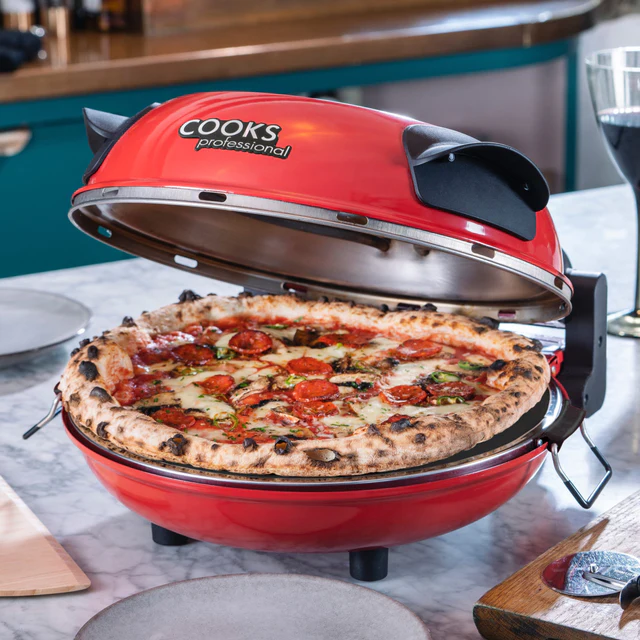
These compact appliances are perfect for apartment dwellers or those with limited outdoor space. They feature a built-in stone or ceramic plate and often reach temperatures far higher than a conventional home oven, typically up to 750-800°F (400-425°C). Electric models are super convenient; just plug them in, let them preheat, and you’re ready to cook. They offer consistent performance without the need for fuel or ventilation concerns, making them ideal for quick, weeknight pizza nights.
Outdoor Gas-Powered Ovens
For many, an outdoor stone baked pizza oven fueled by propane or natural gas strikes a perfect balance between convenience and performance. These ovens heat up remarkably fast – often in just 15-20 minutes – and maintain precise temperatures with the turn of a dial. They offer the social aspect of outdoor cooking and can reach very high temperatures, sometimes exceeding 900°F (480°C), allowing pizzas to cook in as little as 60-90 seconds. Many modern outdoor models use fire brick or refractory cement for their cooking surfaces, chosen for their superior durability and heat retention over natural stone, which can sometimes crack under extreme heat.
Traditional Wood-Fired Ovens
While often used interchangeably, there’s a nuanced difference between a “stone baked” experience and a purely “wood-fired” one, though many wood-fired ovens do have stone bases. Wood-fired ovens use burning wood as their primary heat source, imparting a unique smoky flavor and aroma. They reach incredibly high temperatures, often 800-900°F (427-482°C), cooking pizzas in mere moments. These ovens typically feature dome-shaped chambers that circulate hot air and smoke, creating a slightly charred, leopard-spotted crust, characteristic of authentic Neapolitan pizza. The stone base ensures a crisp bottom, but the overall flavor profile is distinctly influenced by the wood smoke.
The Role of the Pizza Stone in a Regular Oven
Even if a dedicated stone baked pizza oven isn’t in your immediate plans, a simple pizza stone used in your conventional home oven can dramatically improve your homemade pizzas. This is often the entry point for many home bakers into the world of stone-baked crusts. The principle is the same: the preheated stone absorbs and radiates intense heat directly to the pizza, mimicking a dedicated oven’s environment on a smaller scale. It’s an economical and effective way to achieve a crispier base and more even cooking than simply placing your pizza on a metal tray.
Unlocking the Crispy Crust: Benefits of a Stone Baked Pizza Oven
Why go for a stone baked pizza oven? The advantages extend far beyond just taste, enhancing your entire pizza-making experience.
Superior Heat Distribution
One of the standout benefits is the incredible heat distribution. Unlike a metal baking sheet that can create hot spots, a stone surface absorbs and radiates heat evenly across the entire base of your pizza. This consistent heat prevents soggy centers or unevenly cooked crusts, ensuring every bite is uniformly perfect.
Achieving the Perfect Crispy Crust
This is where stone ovens truly shine. The high, direct heat from the stone rapidly cooks the dough, preventing it from drying out while simultaneously absorbing excess moisture. The result? An exceptionally crispy, golden-brown crust that’s crunchy on the outside and wonderfully tender on the inside – the hallmark of a truly great pizza.
Rapid Cooking Times
Thanks to the intense, sustained heat, pizzas cook at lightning speed in a stone baked oven. Many models can cook a fresh pizza in as little as 60 to 90 seconds once the oven is fully preheated. This not only saves you time but also helps lock in the flavors and nutrients of your ingredients, preventing them from overcooking.
Enhanced Flavor Profile
With stone baked pizzas, the pure taste of the dough and toppings takes center stage. The efficient cooking process ensures ingredients retain their natural flavors, without being overshadowed by smoky notes unless it’s a wood-fired variant. You’ll truly taste the quality of your cheese, sauce, and fresh vegetables. As Chef Marco Rossi, a renowned pizzaiolo, often says, “A stone oven lets the pizza speak for itself, creating a symphony of pure, unadulterated flavors where every ingredient gets its moment to shine.”
Beyond Pizza: Versatile Cooking
While designed for pizza, these ovens are surprisingly versatile. Their ability to retain and distribute high heat makes them excellent for baking artisanal bread, roasting vegetables, cooking fish, or even searing steaks. The stone surface can handle a variety of dishes, adding a new dimension to your culinary adventures.
Getting Started: How to Use Your Stone Baked Pizza Oven
Using a stone baked pizza oven might seem daunting at first, but with a few simple steps, you’ll be slinging pizzas like a pro.
Preheating for Success
Why is preheating important? Preheating is the most crucial step. You need to ensure the stone surface reaches its optimal temperature before your pizza touches it. This allows for immediate and intense heat transfer to the dough.
How long should I preheat? For most ovens, preheat for at least 20-30 minutes, sometimes up to an hour for larger or masonry ovens, until the stone surface registers the target temperature (often 750-950°F or 400-500°C). Always place your pizza stone in a cold oven and let it heat up gradually to prevent thermal shock and potential cracking.
Launching Your Pizza
What’s a pizza peel? A pizza peel is your best friend for safely transferring pizza to and from the blazing hot stone. Dust it generously with semolina flour or regular flour to prevent sticking.
How do I use it? Build your pizza directly on the floured peel. A quick, confident shake of the peel will help the pizza slide off onto the stone. Don’t hesitate; a slow launch often leads to sticking!
Cooking Times and Temperature Zones
How fast does it cook? In a properly preheated stone baked pizza oven, expect your pizza to cook incredibly fast – often between 60 and 180 seconds, depending on the oven’s temperature and your desired crust doneness.
Are there different zones? Yes, some ovens, especially wood-fired or larger gas models, have hotter zones. Learn where these are in your specific oven so you can rotate the pizza for an even cook and perfectly leopard-spotted crust.
Tips and Tricks for Pizzeria-Quality Pizza at Home
Achieving that “wow factor” with your homemade pizza is all about technique and a little bit of flair.
- Dough Matters: A great pizza starts with great dough. Experiment with recipes, including high-hydration doughs, to find one that gives you the perfect chew and crisp.
- Don’t Overload: Resist the urge to pile on too many toppings. Overloading can lead to a soggy pizza that struggles to cook evenly. Less is often more.
- The Art of the Turn: If your oven has hotter and cooler spots, use your peel to give the pizza a quarter or half turn during cooking. This ensures an even, golden crust all around.
- Using a Pizza Peel Effectively: Keep your peel clean and well-floured. Practice launching a plain dough disc first to get a feel for the motion. A smooth, swift launch is key to preventing your pizza from sticking.
- Pre-cook Wet Toppings: For toppings like mushrooms or onions that release a lot of moisture, consider sautéing them lightly beforehand. This prevents them from making your pizza soggy.
Caring for Your Stone Baked Pizza Oven: Maintenance for Longevity
To ensure your stone baked pizza oven lasts for years of delicious pizza making, proper care is essential.
Cleaning Your Stone
How do I clean it? After cooking, let the oven cool down completely. Use a stiff brush or a metal scraper to remove any baked-on food residue. For tougher spots, a putty knife can be effective.
Can I use soap? Absolutely not! Pizza stones are porous and will absorb soap, which can then leach into your food and affect its taste. Avoid water if possible, and definitely no soap.
Avoiding Thermal Shock
What is thermal shock? This is a sudden, drastic change in temperature that can cause your stone to crack. Always place your stone in a cold oven before heating it, and allow it to cool down naturally inside the oven after use.
Storage Tips
Where should I store it? If you have a portable oven, store it in a dry, covered area to protect it from moisture and extreme weather conditions. For built-in outdoor ovens, consider a cover to shield it from the elements when not in use. Keeping the stone dry is crucial to prevent moisture absorption, which can lead to cracking.
The Stone Baked vs. Wood-Fired Debate: What’s the Difference?
While both methods produce fantastic pizza, they offer distinct experiences. A true stone baked pizza oven, especially gas or electric models, excels at delivering consistent, intense, and even heat. This method truly allows the pure flavors of your dough and toppings to shine, creating a perfectly crispy crust without any competing notes. Wood-fired ovens, on the other hand, infuse your pizza with a rustic, smoky aroma and often achieve a slightly more charred, puffy crust due to the incredibly high, direct flame contact. While both are excellent, if you prioritize precise temperature control, unparalleled crust crispness without smokiness, and consistent results, the dedicated stone baked pizza oven might be your perfect match.
Conclusion
The journey to crafting the perfect homemade pizza is an exciting one, and a stone baked pizza oven is an invaluable companion. From the crisp, golden crust it delivers to the rapid cooking times and versatile culinary possibilities, it transforms ordinary pizza nights into extraordinary experiences. Whether you opt for a compact electric model, a convenient gas-powered outdoor oven, or even start with a simple pizza stone in your kitchen oven, you’re embracing an ancient, proven method that prioritizes flavor and texture. So, fire up your stone baked pizza oven, get creative with your toppings, and invite your friends and family over. The aroma alone will tell you you’ve made the right choice. Now go forth and bake some amazing pizza!