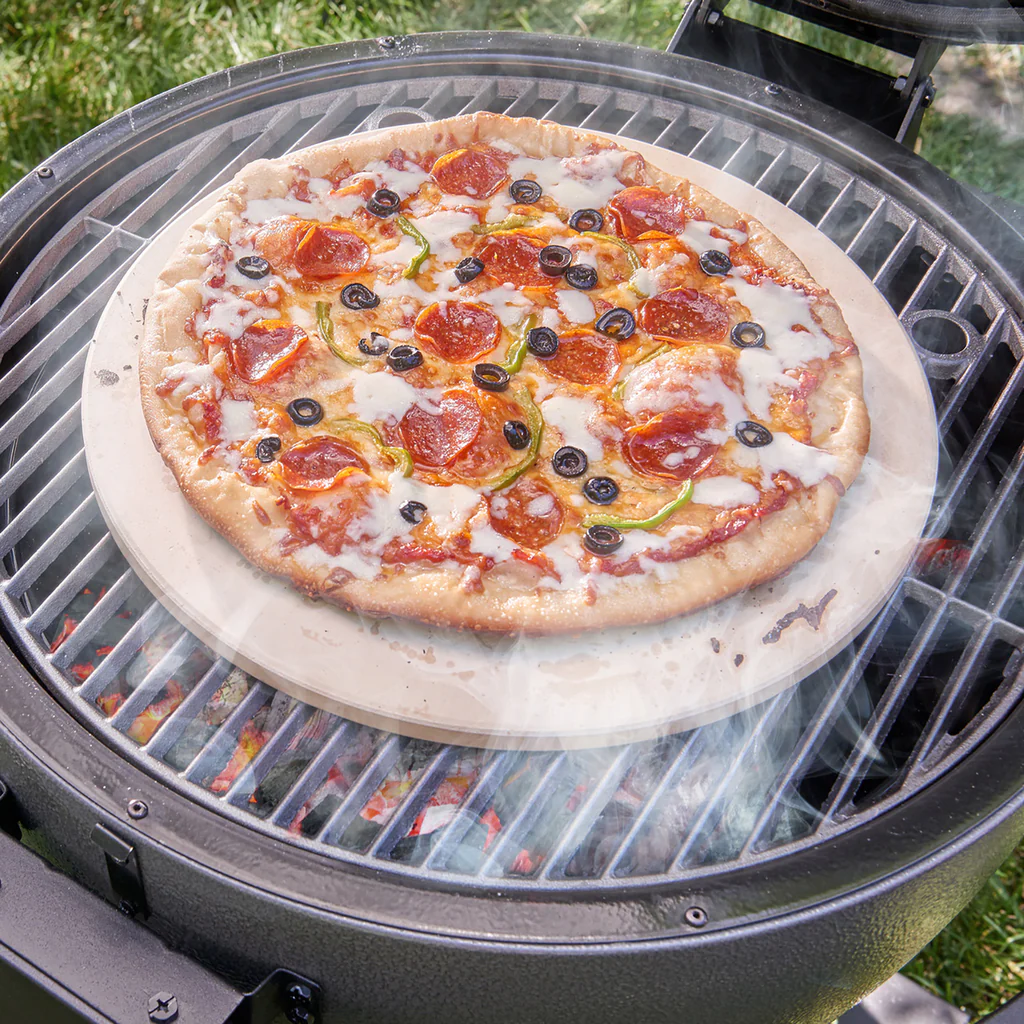
 Ever wondered what gives a pizzeria pizza that incredible, unmistakable crust? It’s often the magic of Stone Fired Pizza. This culinary technique elevates a simple dish into an extraordinary experience, delivering a perfectly crisp yet chewy base that’s truly a cut above the rest. If you’re passionate about pizza, understanding and mastering the stone-fired method is your ticket to creating truly authentic pies right in your own kitchen.
The Ancient Roots of Stone Fired Pizza
The concept of cooking food on hot stones isn’t new; it’s a practice that dates back thousands of years, long before modern ovens existed. Ancient civilizations, including the Egyptians, Greeks, and Romans, utilized stone and clay structures to bake flatbreads. Archaeological discoveries in places like Pompeii reveal remarkably preserved brick and stone “forno” ovens that bear striking resemblances to the pizza ovens we see today. These early ovens harnessed intense heat, fundamentally shaping the way we bake.
Fast forward to Naples, Italy, where the modern pizza as we know it took shape. While wood-fired ovens are often associated with classic Neapolitan pizza, the core principle—cooking on a scorching hot surface—remains central. Stone-fired methods build upon this ancient tradition, creating a perfect environment for transforming simple dough into a culinary masterpiece.
What Makes Stone Fired Pizza So Special?
The allure of stone fired pizza lies in its unique characteristics, which are a direct result of the high-heat, direct-contact cooking method.
The Crust: A Symphony of Textures
The defining feature of a stone fired pizza is its crust. Imagine a base that’s robust enough to support generous toppings, yet thin and exquisitely crispy on the bottom. The edges, often referred to as the “cornicione,” become delightfully airy and slightly charred, offering a satisfying chewiness. This textural marvel is achieved when the dough meets an intensely hot surface, causing the moisture within to rapidly turn to steam, creating that signature puffy, open crumb structure while simultaneously crisping the exterior.
Consistent and Even Baking
One of the biggest challenges in home pizza making is achieving uniform cooking without a dedicated professional oven. Metal baking trays can trap moisture, leading to a soggy middle even if the edges are done. A preheated pizza stone, however, provides a consistent, radiating heat that cooks the pizza evenly from the bottom up. This prevents “hot spots” and ensures every bite is perfectly cooked, from the center to the crust. As culinary expert Chef Marco Rossi often says, “The stone doesn’t just cook the pizza; it understands it, delivering an even kiss of heat that transforms simple dough into a work of art.”
Enhanced Flavor Profile
The intense heat of a stone-fired environment caramelizes the ingredients rapidly, locking in their natural flavors and enhancing their textures. Tomatoes become sweeter, cheese melts beautifully without overcooking, and the crust develops a subtle depth of flavor that’s hard to replicate with lower-temperature baking. The quick cooking time also ensures toppings retain their freshness and vibrant character.
The Heart of Home Pizza: The Pizza Stone
While professional pizzerias boast grand brick or stone ovens reaching upwards of 700-900°F (370-480°C), you can achieve fantastic stone fired pizza results right in your home oven with the right tool: a pizza stone.
A pizza stone, or baking stone, is essentially a flat cooking surface designed to mimic the thermal properties of a traditional oven hearth. Typically made from ceramic, cordierite, or clay, these porous materials are excellent at absorbing and retaining heat. When preheated, they provide a super-hot surface that immediately begins to cook the pizza dough upon contact. This rapid heat transfer is crucial for creating that sought-after crispy crust and prevents the dreaded “soggy bottom” by drawing out moisture from the dough.
Different materials offer varying benefits. Cordierite stones, for instance, are known for their durability and resistance to thermal shock, making them less prone to cracking. Ceramic stones are also popular, effectively holding and distributing heat. Regardless of the material, the key is the stone’s ability to act as a thermal battery, providing a burst of intense, even heat directly to your pizza’s base.
A Step-by-Step Guide to Making Stone Fired Pizza at Home
Ready to transform your kitchen into a home pizzeria? Here’s how to create amazing stone fired pizza in your standard oven.
1. Choose Your Dough Wisely
The foundation of any great pizza is the dough. For a truly authentic stone-fired experience, opt for a thin-crust dough. You can buy quality pre-made dough, or better yet, make your own! A simple Neapolitan-style dough with just flour, water, yeast, and salt, often benefiting from a longer fermentation, will yield the best results.
2. Preheat Your Oven and Stone – Patience is Key!
This is perhaps the most critical step. Place your pizza stone on a rack in the middle or lower third of your cold oven.
- Set your oven to its absolute highest temperature, typically 450-550°F (230-290°C).
- Allow the oven and stone to preheat for at least 45 minutes to an hour after the oven indicates it’s reached temperature. This extended preheating ensures the stone is saturated with heat, ready to give your pizza that initial thermal shock.
3. Prepare Your Workspace
While the stone heats, gather your ingredients. Lightly dust a pizza peel (or a rimless baking sheet) with semolina flour or cornmeal. This acts like tiny ball bearings, helping your pizza slide effortlessly onto the hot stone.
4. Stretch and Top Your Pizza
- Gently stretch your dough to your desired thinness. Avoid overworking it.
- Carefully transfer the stretched dough onto your prepared pizza peel.
- Quickly add your sauce, cheese, and toppings. Remember, less is often more with stone-fired pizza to ensure quick and even cooking. Don’t overload it!
5. The Grand Transfer
Once your stone is piping hot and your pizza is assembled on the peel, it’s showtime!
- Open the oven door.
- Position the tip of the pizza peel at the back of the hot stone.
- With a swift, confident jerk, slide the pizza off the peel and onto the stone. Don’t hesitate, or your pizza might stick!
6. Bake to Perfection
Keep a close eye on your pizza. In a home oven, stone-fired pizza typically bakes in 8-15 minutes, depending on your oven’s heat and your preferred level of crispness. Look for:
- A golden-brown crust with some beautiful charring around the edges.
- Melted, bubbly cheese.
- Cooked toppings.
7. Cool and Enjoy
Using the pizza peel, carefully remove the cooked pizza from the oven. Transfer it to a cutting board and let it rest for a minute or two before slicing. This allows the cheese to set slightly and prevents all the toppings from sliding off.
Tips and Tricks for the Perfect Stone Fired Pizza
- Don’t Cold Shock Your Stone: Always place your pizza stone in a cold oven before preheating. Rapid temperature changes can cause it to crack. Similarly, never put a hot stone under cold water.
- Go Thin: For that authentic, crispy stone-fired experience, aim for a thin crust.
- Less is More with Toppings: Overloaded pizzas won’t cook as evenly or quickly. Embrace simplicity and quality ingredients.
- The Right Peel: A good pizza peel is invaluable for safe and easy transfer. Dust it generously.
- Practice Makes Perfect: Don’t get discouraged if your first few attempts aren’t flawless. Pizza making is an art that improves with practice!
- Experiment with Dough: Different flours and fermentation times can yield varied results. Find what you love!
- Use an Oven Thermometer: Many oven thermostats are inaccurate. An independent oven thermometer can help you ensure your stone is truly at its peak temperature.
The Benefits of Using a Pizza Stone Beyond Pizza
While “pizza stone” is in the name, its utility extends far beyond just pizzas. This versatile kitchen tool can significantly improve other baked goods too.
- Crispy Bread: Bake artisan loaves directly on your preheated stone for a remarkably crisp bottom crust.
- Focaccia: Achieve a beautifully golden and airy focaccia.
- Roasted Vegetables: The intense, even heat can perfectly roast vegetables, giving them a lovely char.
- Cookies and Pastries: Some bakers even use them for achieving a more consistent bake for cookies and other pastries.
Caring for Your Pizza Stone for Longevity
A well-maintained pizza stone can last for years, becoming a seasoned workhorse in your kitchen.
- Cool Completely: Always allow your stone to cool completely in the oven before attempting to clean it.
- Scrape, Don’t Scrub: For stuck-on food, gently scrape it off with a plastic scraper or stiff brush. Avoid metal scourers.
- No Soap! Pizza stones are porous and will absorb soap, which can then impart an unpleasant flavor to your food. Water and scraping are usually sufficient.
- Embrace Stains: Your pizza stone will develop dark stains and char marks over time. This is perfectly normal and actually enhances its non-stick properties and heat retention. It’s a sign of a well-loved, well-used stone!
- Store in the Oven: Many experts recommend storing your pizza stone permanently in your oven. This not only keeps it safe from accidental drops but also helps your oven maintain more consistent temperatures when baking other dishes.
Frequently Asked Questions About Stone Fired Pizza
Q: What’s the real difference between stone fired and wood fired pizza?
A: Both methods use intense heat to cook pizza rapidly. Stone-fired pizza emphasizes cooking on a hot stone surface for consistent, even heat and a wonderfully crispy crust. Wood-fired pizza, typically cooked in a wood-burning oven, adds a distinct smoky flavor and often a more leopard-spotted, slightly chewier crust due to the open flame and circulating hot air. While related, stone-fired focuses more on direct conductive heat for ultimate crispness.
Q: Can I use a baking steel instead of a pizza stone?
A: Absolutely! Baking steels are excellent alternatives, often conducting heat even more efficiently than stones. They heat up faster, retain heat exceptionally well, and are virtually indestructible, making them a fantastic choice for achieving incredibly crispy stone fired pizza at home.
Q: Why is my stone fired pizza crust not crispy?
A: The most common reason for a non-crispy crust is insufficient preheating of your pizza stone. Ensure your oven is at its highest temperature and the stone has preheated for at least 45-60 minutes. A thin dough and not overloading toppings also contribute to crispness.
Q: How do I prevent my pizza from sticking to the peel?
A: Generously dust your pizza peel with semolina flour or cornmeal before placing the dough on it. Work quickly when topping and transferring your pizza to minimize the time it has to absorb moisture and stick. A quick, confident slide onto the hot stone is also key.
Q: Can I make other foods on a pizza stone?
A: Yes! Pizza stones are incredibly versatile. They can be used to bake artisan bread, focaccia, roast vegetables, or even crisp up frozen foods, benefiting from the stone’s even and intense heat distribution.
Q: How do I clean a stained pizza stone?
A: Stains are a natural part of a well-used pizza stone and actually enhance its performance. Simply scrape off any stuck-on food once the stone is completely cool, then wipe it with a damp cloth. Avoid soap as it can be absorbed by the porous material and affect future food flavors.
Embrace the Stone Fired Pizza Journey
There’s a unique joy in pulling a perfectly stone fired pizza from your oven, seeing the beautifully charred crust, and smelling the irresistible aroma. It’s more than just a meal; it’s an experience, a craft, and a delicious reward. By understanding the principles of high heat, proper preheating, and the magic of a good pizza stone, you’re well on your way to becoming a home pizza artisan. So, roll out that dough, fire up your oven, and discover the unmatched taste of homemade stone fired pizza. Your taste buds will thank you!