Ever dreamt of biting into a pizza with a perfectly crisp, golden crust, just like it came from a traditional brick oven, right in your own kitchen? The secret weapon you’re missing might just be a Stone Pizza Pan. This incredible kitchen tool transforms your home oven into a high-heat cooking marvel, delivering that authentic crunch and flavor that regular baking sheets simply can’t match.
What Exactly is a Stone Pizza Pan?
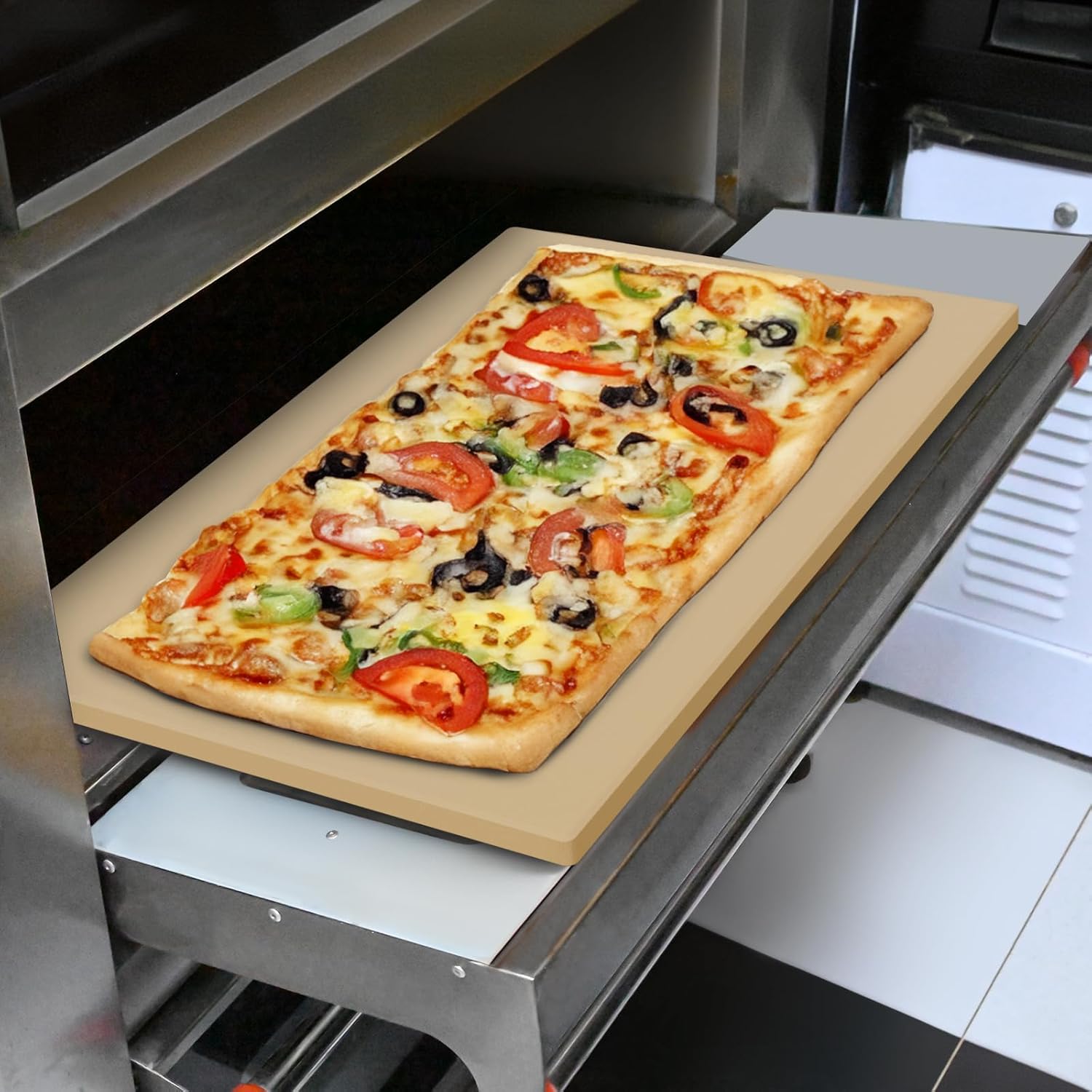
At its core, a stone pizza pan, often simply called a pizza stone, is a flat slab of material designed to absorb and retain high heat, which it then efficiently transfers to your pizza dough. This mimics the cooking environment of a professional pizza oven, where direct contact with a superheated surface quickly cooks the bottom of the crust, creating that desirable crispy texture while allowing the toppings to cook evenly. It’s not just for pizza, though; many home bakers swear by their stone pizza pan for various baked goods.
A Journey Through Time: The Origin of Baking Stones
The concept of baking on hot stones dates back thousands of years, long before modern ovens existed. Ancient civilizations would cook flatbreads and other foods directly on heated rocks or clay slabs placed over open fires. This method provided intense, direct heat, leading to beautifully blistered and crispy results. The modern stone pizza pan is a sophisticated evolution of this ancient technique, bringing that rustic, efficient heat transfer into our contemporary kitchens, allowing us to replicate a centuries-old culinary secret with ease.
Unveiling the Varieties: Popular Stone Pizza Pan Materials
While the term “stone pizza pan” is common, these baking surfaces come in a few different materials, each with unique characteristics that influence your pizza-making experience. Understanding these differences can help you choose the perfect stone pizza pan for your needs.
Cordierite Pizza Stones
Cordierite is a mineral known for its excellent thermal shock resistance, meaning it can handle rapid temperature changes without cracking, which is a common concern with some ceramic stones. This makes cordierite stone pizza pans highly durable and a popular choice for both oven and grill use. They absorb heat effectively and distribute it evenly, ensuring a consistently cooked crust. While they can stain easily due to their porous nature, these stains are usually cosmetic and don’t affect performance.
Ceramic Pizza Stones
Traditional ceramic pizza stones are widely available and offer great heat distribution. They are effective at producing a crisp crust and are versatile enough for baking other items like bread and pastries. However, ceramic can be more susceptible to thermal shock and physical impact, leading to chips or cracks if not handled with care. Some ceramic stones are glazed, which can make them easier to clean, but others require specific cleaning methods to prevent damage to their porous surface.
Steel Pizza “Pans” (or Baking Steels)
Though not technically “stone,” baking steels function similarly to a stone pizza pan, but with superior heat conductivity. Made from solid steel, they heat up faster and retain more heat than ceramic or cordierite stones. This results in an even crispier crust and can significantly reduce baking time. Baking steels are virtually indestructible, capable of withstanding extremely high temperatures without cracking. The main downsides are their considerable weight and higher cost. Some can also cook the bottom crust very quickly, requiring close monitoring.
Cast Iron Pizza Pans
Cast iron pizza pans are another excellent alternative to traditional pizza stones. They boast exceptional heat retention and can get incredibly hot, providing a fantastic sear to your crust. Cast iron is also incredibly versatile, safe for use in the oven, on the stovetop, or on the grill. These pans typically have a slightly raised edge, making them easy to handle. Like baking steels, cast iron is durable but requires seasoning to maintain its non-stick properties and prevent rust. Cleaning can be a bit more involved due to their weight and the need for proper seasoning.
Mastering Your Stone Pizza Pan: A Step-by-Step Guide
Using a stone pizza pan isn’t complicated, but a few key steps will ensure you get the best results every time.
Preparation is Key: Preheating Your Stone
The most crucial step is proper preheating. Always place your stone pizza pan into a cold oven. This prevents thermal shock, which can cause cracking. Then, set your oven to its highest temperature, typically between 450°F and 500°F (230°C to 260°C). Allow the stone and oven to preheat together for at least 60 minutes, and even longer if you have the time. This extended preheat ensures the stone fully saturates with heat, allowing it to deliver that intense burst of heat to your pizza.
Launching Your Culinary Creation
Once your stone pizza pan is piping hot, it’s time to launch your pizza. Lightly dust a pizza peel with flour or cornmeal to prevent sticking. Build your pizza quickly on the peel. Then, with a swift, confident motion, slide the pizza from the peel directly onto the preheated stone. “A well-heated stone pizza pan is the secret weapon for a truly artisanal crust,” notes Chef Isabella Rossi, a renowned Italian culinary expert. This direct contact with the hot surface is what creates the perfect crust.
The Art of Baking
Baking times will vary depending on your oven, pizza thickness, and desired crispness, but typically, a thin-crust pizza might be ready in 5-8 minutes, while a thicker crust could take 10-15 minutes. Keep an eye on your pizza, rotating it halfway through if your oven has hot spots, until the crust is golden brown and the cheese is bubbly and slightly caramelized.
Beyond Pizza: Maximizing Your Stone Pizza Pan’s Potential
Don’t let your stone pizza pan be a one-trick pony! Its exceptional heat properties make it perfect for a variety of other culinary tasks.
- Baking Bread and Flatbreads: Achieve artisan-quality crusts on sourdough loaves, focaccia, or even homemade tortillas and naan.
- Crispy Pastries: Bake cookies, scones, or croissants with a beautifully browned bottom.
- Searing and Roasting: Use it to sear steaks or chicken, or to roast vegetables for an extra crisp exterior, much like a griddle.
The Undeniable Benefits of a Stone Pizza Pan
Investing in a stone pizza pan elevates your home cooking in several ways:
- Superior Crust: It delivers an incredibly crisp, evenly cooked crust every single time, rivaling your favorite pizzeria.
- Even Cooking: The radiant heat helps cook your pizza uniformly, preventing soggy middles or burnt edges.
- Enhanced Flavor: The rapid, high-heat cooking locks in flavors and creates a superior texture that transforms homemade pizza.
- Versatility: As mentioned, it’s not just for pizza; it’s a multi-functional baking tool.
- “Brick Oven” Experience: It brings the rustic charm and cooking efficiency of a traditional brick oven right into your kitchen.
Keeping Your Stone Pizza Pan Pristine: Care and Maintenance
Proper care ensures your stone pizza pan lasts for years and continues to deliver delicious results. Different materials require different approaches, so pay close attention.
Cooling Down Safely
After use, always allow your stone pizza pan to cool completely inside the oven. Removing a hot stone into a cool environment or exposing it to cold water can cause thermal shock, leading to cracks. “Thermal shock is the arch-nemesis of a ceramic pizza stone. Always let it cool down gradually,” advises Mark Chen, a materials science engineer specializing in kitchenware. Patience is key here.
The Gentle Clean: What to Do (and Not Do!)
- For Cordierite and Porous Ceramic Stones:
- Once cool, use a stiff brush or a non-metallic scraper (like a wooden spatula) to gently remove any stuck-on food or carbonized bits.
- Crucially, avoid using soap and water. Porous stones will absorb detergents, which can leach into your food and cause unpleasant tastes. They also absorb water, which can turn to steam and crack the stone upon reheating.
- For stubborn stains, a paste made of baking soda and a little water can be applied, left to sit for a few hours, then scraped off.
- A high-heat “burn-off” method (placing the cooled stone in a hot oven for an hour or so, with good ventilation) can help carbonize and loosen tough residues.
- Using parchment paper underneath your pizza for high-fat recipes can help prevent oils from soaking into the stone and causing smoke or persistent stains.
- For Steel and Cast Iron Pizza Pans:
- These can typically be washed with hot water and a mild soap, then thoroughly dried immediately to prevent rust.
- Regular re-seasoning with oil is essential to maintain their non-stick surface and protect against rust.
Longevity Tips
- Embrace the Patina: Over time, your porous stone pizza pan will darken and develop a “seasoned” look, known as a patina. This is normal and actually enhances its non-stick properties and performance. Don’t strive for a perfectly clean, new look. “Don’t be afraid of the stains! A seasoned pizza stone tells a story of countless delicious meals,” says Sarah Jenkins, a passionate home baker and cookbook author.
- Avoid Oils on Porous Stones: Resist the urge to oil a porous ceramic or cordierite stone, as it will simply absorb the oil, which will then smoke and burn during your next bake.
- Store Properly: Store your stone pizza pan in a safe place where it won’t be easily bumped or dropped. Many people simply leave it in their oven, which is perfectly fine.
FAQs About Stone Pizza Pans
Here are some common questions people have about stone pizza pans:
How long should I preheat my pizza stone?
You should preheat your pizza stone for at least 60 minutes, along with your oven, set to its highest temperature. Longer preheat times, up to 90 minutes, can yield even better results as it allows the stone to fully saturate with heat.
Can I use my stone pizza pan on a grill?
Yes, many cordierite and steel pizza pans are suitable for use on a grill. Place the cold stone on the grill grates, then preheat the grill slowly to avoid thermal shock, aiming for high temperatures to cook your pizza quickly and effectively.
Why is my pizza sticking to the stone?
Pizza sticking often happens for two main reasons: the stone isn’t hot enough, or there’s a tear in your dough allowing sauce to leak and burn onto the surface. Ensure your stone is thoroughly preheated, and always use a well-floured pizza peel to launch.
Do I need to season a stone pizza pan?
It depends on the material. Porous ceramic and cordierite stones do not require seasoning and should not be oiled. Steel and cast iron pizza pans, however, benefit greatly from regular seasoning to prevent rust and maintain a non-stick surface, much like other cast iron cookware.
What’s the difference between a pizza stone and a baking steel?
While both are designed to create a crispy pizza crust, baking steels are made of solid steel and conduct heat more efficiently and retain more heat than traditional stone pizza pans. This often leads to faster cooking times and an even crispier crust, though steels are heavier and typically more expensive.
Ready to Transform Your Pizza Night?
A stone pizza pan is more than just another kitchen gadget; it’s a gateway to crafting restaurant-quality pizzas and other baked delights from the comfort of your home. By understanding the different materials, mastering the art of preheating, and following simple care instructions, you’ll unlock the full potential of this incredible tool. So go ahead, ignite your passion for pizza making, experiment with new recipes, and get ready to impress your taste buds and your guests with consistently perfect, crispy crusts. Your journey to homemade pizza perfection starts now!