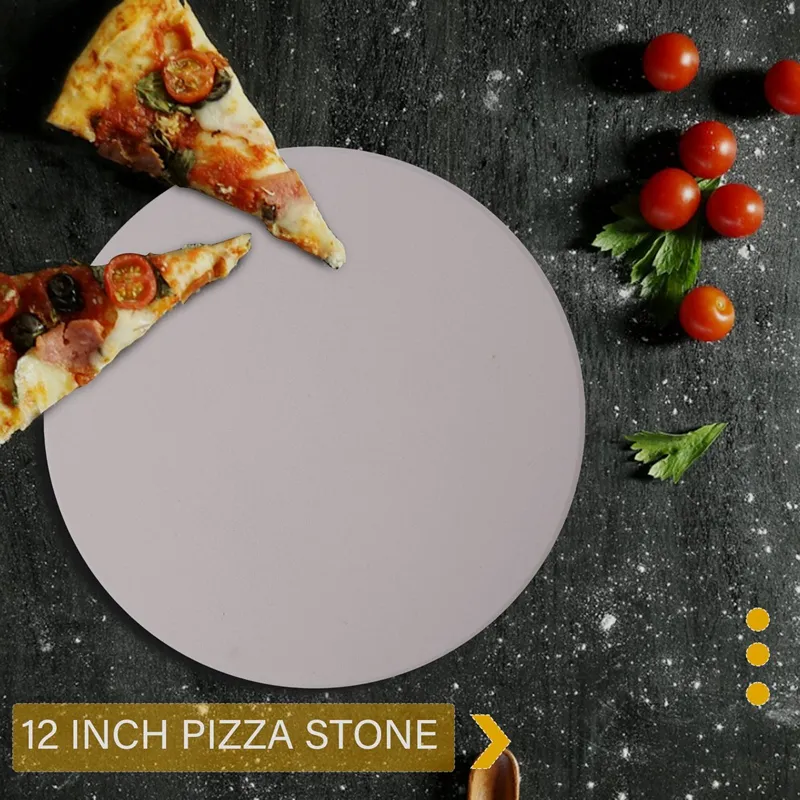
 The quest for that elusive, perfect homemade pizza crust often feels like a culinary holy grail. We’ve all been there, dreaming of a pie with a beautifully crisp base, just like it came from a bustling Italian pizzeria. While a high-quality oven certainly helps, the true secret weapon in your kitchen arsenal for achieving this dream is undoubtedly The Best Pizza Stone. This humble, yet powerful, baking tool can transform your standard home oven into a crispy-crust powerhouse, elevating your pizza game to professional levels.
The Unsung Hero: A Brief History of the Pizza Stone
The concept of baking on a super-heated surface is as old as bread itself. Ancient cultures baked directly on hot stones or within clay ovens, understanding instinctively that direct, intense heat was key to a perfectly cooked crust. Fast forward to today, and the modern pizza stone continues this time-honored tradition. It’s designed to mimic the heat dynamics of a traditional brick oven, where a searing hot surface rapidly transfers heat to the pizza dough, creating that coveted bubbly, chewy interior and wonderfully crisp exterior that no standard baking sheet can replicate. It’s all about thermal mass and efficient heat transfer, bringing centuries of baking wisdom right into your kitchen.
Choosing Your Hearth: Types of Pizza Stones Explored
When searching for the best pizza stone, you’ll quickly discover that not all stones are created equal. Each material offers distinct advantages, catering to different preferences and baking styles. Understanding these differences is crucial for making an informed choice that will serve your pizza-making ambitions best.
Cordierite: The Workhorse
Cordierite is perhaps the most popular material for pizza stones, and for good reason. It’s a natural mineral that excels at handling high temperatures and is remarkably resistant to thermal shock – meaning it’s less likely to crack when exposed to rapid temperature changes, a common pitfall for other materials. Its porous nature helps absorb moisture from the dough, contributing to an incredibly crisp crust.
Ceramic/Clay: The Traditionalist
Ceramic or natural clay stones are closer to the historical roots of stone baking. They provide excellent heat distribution and absorption, yielding a wonderfully crisp crust. However, they are generally more fragile than cordierite and more susceptible to cracking from thermal shock if not handled with care, especially when transitioning between hot and cold.
Pizza Steel: The Powerhouse
While not technically a “stone,” pizza steel has garnered immense popularity, often touted as the best pizza stone alternative for sheer performance. Steel conducts heat far more efficiently than stone, meaning it heats up faster and retains heat more effectively. This results in an even quicker cook time and an unparalleled crispy crust, especially beneficial for Neapolitan-style pizzas that require extreme heat. It’s also virtually indestructible.
Cast Iron: The Versatile Veteran
Cast iron pizza pans or griddles offer another robust alternative. Like steel, cast iron retains heat exceptionally well and is incredibly durable. Its versatility allows it to be used not just in the oven, but also on the stovetop or even on the grill, making it a multi-functional kitchen tool. However, it can be quite heavy and requires seasoning, similar to other cast iron cookware.
Here’s a quick comparison to help you weigh your options:
| Material | Heat Retention | Durability | Crust Crispness | Preheating Time | Best For |
|---|---|---|---|---|---|
| Cordierite | Excellent | High | Very Good | Moderate | Everyday home pizza, good value |
| Ceramic/Clay | Good | Moderate | Very Good | Moderate | Traditionalists, crispy crust |
| Pizza Steel | Superior | Extremely High | Exceptional | Fast | Ultra-crispy, quick cooks, high heat |
| Cast Iron | Excellent | Extremely High | Excellent | Moderate | Versatility, grill, stove, oven |
Mastering the Heat: A Step-by-Step Guide to Using Your Pizza Stone
Using the best pizza stone effectively is all about patience and precision. Follow these steps for consistently amazing results:
- Placement and Preheating: Always place your pizza stone in a cold oven. Positioning it on the middle rack is usually ideal. Then, preheat your oven to its highest temperature (typically 500-550°F or 260-290°C) for at least 45-60 minutes. This extended preheat is crucial to ensure the stone is uniformly heated through, storing enough thermal energy to cook your pizza rapidly.
- Launching the Pizza: Once your oven and stone are thoroughly preheated, it’s time for the fun part. Prepare your pizza on a lightly floured or semolina-dusted pizza peel. A quick flick of the wrist will allow you to smoothly slide the pizza from the peel directly onto the hot stone. Work quickly to minimize heat loss from the oven.
- Baking to Perfection: Bake your pizza according to your recipe, typically 5-10 minutes, depending on the oven temperature and desired doneness. Watch the crust and toppings carefully.
- Retrieving and Resting: Use your pizza peel to carefully remove the cooked pizza from the stone. Transfer it to a cutting board, let it rest for a minute or two before slicing, and then enjoy your masterpiece!
Secrets from the Oven: Tips for the Perfect Pizza Stone Pie
Achieving perfection with your pizza stone involves a few clever tricks that pizzaiolos swear by.
- Dough Matters: A high-hydration dough (65-70% water to flour) that has undergone a cold fermentation in the refrigerator for 24-72 hours will yield the best flavor and texture, resulting in an airy crust with a slight chew that truly benefits from the best pizza stone‘s intense heat.
- Don’t Overload: A common mistake is piling on too many toppings. Keep it simple! Too many toppings can weigh down the dough, release excess moisture, and prevent that ideal crispy crust from forming.
- Semolina for the Slide: Instead of just flour, sprinkle your pizza peel with a mix of flour and fine semolina. The semolina acts like tiny ball bearings, making it much easier to slide your pizza onto the hot stone without sticking.
- Rotate for Evenness: Depending on your oven, you might notice one side of the pizza browning faster than the other. If safe to do so, carefully rotate your pizza halfway through baking using your peel for an even cook.
- Dealing with Sticking: If your pizza ever sticks, don’t panic. A gentle nudge with the edge of your peel, or waiting a moment longer for the bottom to crisp up, often does the trick. Ensure your stone is very hot, and your peel is well-floured before launching.
“Many home bakers underestimate the power of thorough preheating,” explains Chef Isabella Rossi, a renowned pizzaiola and culinary instructor. “You need that stone to be truly saturated with heat – that’s where the magic happens for an incredibly crispy bottom crust.”
Why Bother? The Irresistible Benefits of a Pizza Stone
Is a pizza stone truly worth the investment and effort? Absolutely! The benefits are clear and consistently lead to a superior homemade pizza experience.
- Crispy, Bubbly Crust Every Time: This is the primary reason to invest in the best pizza stone. The intense, direct heat instantly cooks the bottom of the dough, creating a gloriously crispy crust with those delightful charred bubbles.
- Faster Cooking: The stored heat in the stone means your pizza cooks much faster than on a cold pan, often in just 5-8 minutes.
- Authentic Taste and Texture: The rapid cooking process mimics traditional brick ovens, resulting in a texture and flavor profile that feels truly authentic.
- Even Heat Distribution: A good pizza stone radiates heat evenly, ensuring your pizza cooks uniformly without hot spots.
Long Live Your Stone: Essential Care and Maintenance
Proper care extends the life of your pizza stone and keeps it performing at its peak.
- Cool Down Slowly: Never expose a hot pizza stone to cold water or a cold surface immediately after use. Always let it cool completely within the oven, or on a heat-safe surface, to prevent thermal shock and cracking.
- Cleaning Methods for Different Materials:
- Porous Stones (Cordierite, Ceramic/Clay): Avoid soap at all costs! Soap can soak into the pores and transfer flavors to your next pizza. Once cool, simply scrape off any stuck-on food bits with a metal spatula or stiff brush. For stubborn stains, you can use plain hot water and a scrubbing pad, then air dry thoroughly.
- Non-Porous (Pizza Steel, Cast Iron): These are much easier to clean. Wipe them down with a damp cloth. For cast iron, you may need to re-season occasionally after cleaning.
- Embrace the Patina: Your pizza stone will develop dark spots and stains over time. This is a natural seasoning process, much like a cast iron pan, and it actually enhances its non-stick properties and heat performance. Don’t try to scrub these away completely.
- Storage Tips: Ensure your stone is completely dry before storing to prevent mildew or odors. Store it in a safe place where it won’t get chipped or dropped. Some people leave it in the oven all the time, as it can help regulate oven temperature for other baking tasks.
Frequently Asked Questions (FAQ)
Q: What is the ideal temperature for cooking pizza on a stone?
A: For the best pizza stone results, preheat your oven to its highest possible temperature, typically between 500-550°F (260-290°C), and allow the stone to heat for at least 45-60 minutes to ensure it’s fully saturated with heat.
Q: How long do pizza stones last?
A: With proper care, a good quality pizza stone can last for many years, often a decade or more. Cordierite and pizza steel tend to be the most durable and resistant to cracking.
Q: Can I put a cold pizza stone in a hot oven?
A: No, absolutely not. Placing a cold pizza stone directly into a hot oven can cause thermal shock, leading the stone to crack. Always preheat the stone from a cold oven.
Q: Should I season my pizza stone?
A: Most traditional pizza stones (cordierite, ceramic) do not require seasoning with oil. In fact, oil can seep into their porous surface and cause smoking or off-flavors. Pizza steels and cast iron, however, can benefit from seasoning.
Q: Pizza stone vs. baking steel: which is better?
A: Both are excellent, but they excel in different areas. Pizza steel heats faster and delivers an even crispier crust due to superior conductivity, making it a favorite for Neapolitan-style pizza. A pizza stone offers a more traditional baking experience, often at a lower cost, and still provides exceptional crispness. The “best” depends on your priorities!
Conclusion
Embarking on the journey of homemade pizza with the best pizza stone is a truly rewarding experience. It’s a game-changer for anyone serious about creating pizzeria-quality pies right in their own kitchen. From the traditional crackle of a ceramic stone to the powerful crisp of a pizza steel, there’s a perfect fit for every home pizzaiolo. By understanding the different materials, mastering the art of preheating, and implementing simple care routines, you’ll unlock a world of delicious, crispy-crusted possibilities. So go ahead, find your perfect stone, experiment with your favorite toppings, and prepare to impress your taste buds and your guests. The best pizza stone is waiting to help you craft your next culinary masterpiece.