Dreaming of achieving that coveted pizzeria-quality pizza right in your own kitchen? Many home cooks find themselves battling soggy bottoms and unevenly cooked crusts, wondering how their favorite pizzerias manage such consistently delicious results. The answer often lies in a surprisingly simple yet powerful tool: a Thick Pizza Stone. This unsung hero of home baking can transform your pizza game, delivering crispy, perfectly cooked crusts that rival those from professional ovens.
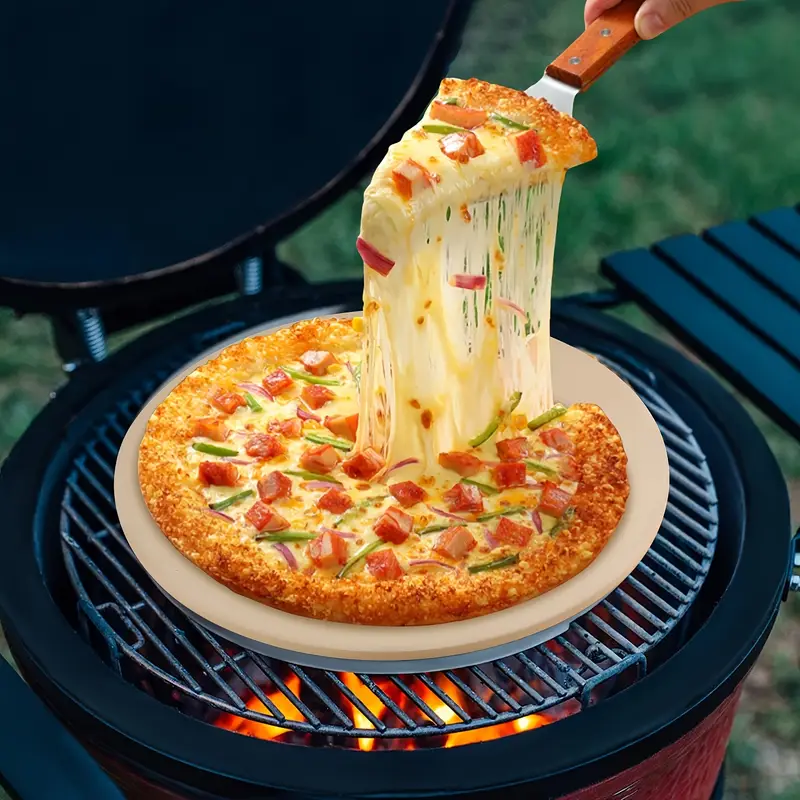
The Unsung Hero: What Makes a Thick Pizza Stone Stand Out?
At its core, a pizza stone is a flat slab made from materials like ceramic, clay, or cordierite, designed to mimic the intense, even heat of a traditional brick oven. But when we talk about a thick pizza stone, we’re discussing a distinct advantage. Thickness isn’t just about weight; it’s about thermal mass – the ability to absorb, retain, and distribute heat effectively. While budget stones often clock in around 0.4-0.5 inches (1-1.3 cm), a truly thick pizza stone measures 1/2 inch (1.3 cm) to a full 1 inch (2.5 cm) or more. Some enthusiasts even seek out stones up to 2 inches thick for ultimate performance. The thicker the stone, the more heat it can store, leading to superior baking results and a taste that transport you straight to Naples.
Crafting Your Crust: The Benefits of a Thick Pizza Stone
A thick pizza stone brings a wealth of advantages to your homemade pizza experience, making it an indispensable tool for any serious home pizzaiolo.
Achieving a Crispy, Evenly Baked Crust
The primary goal of any pizza lover is that perfectly crisp crust, golden brown on the outside and tender on the inside. A thick pizza stone excels here by absorbing excess moisture from the dough, preventing that dreaded gummy or soggy texture. Its high heat capacity allows the dough to cook rapidly upon contact, ensuring a fast bake that develops a beautiful crust reminiscent of authentic Italian pizzerias.
Consistent Heat for Pizzeria-Quality Results
Regular home ovens often have “hot spots” and fluctuating temperatures, leading to unevenly baked goods. A thick pizza stone acts as a thermal equalizer, absorbing a significant amount of heat during preheating and then releasing it steadily and evenly across the entire surface of your pizza. This consistent heat distribution ensures your pizza cooks uniformly, from the center to the edges, building a strong, crispy foundation for your toppings.
Durability that Lasts: Resisting Thermal Shock
One of the most frustrating experiences for pizza stone owners is discovering a cracked stone. Thin or lower-quality stones are particularly susceptible to thermal shock – sudden temperature changes that cause stress and breakage. Thick pizza stones, especially those made from cordierite, are engineered to be much more robust. Cordierite, a natural mineral, boasts a low thermal expansion rate, meaning it expands and contracts less with temperature changes, significantly reducing the risk of cracking and offering superior longevity.
Baking Multiple Pizzas Like a Pro
Hosting a pizza night? A thick pizza stone is your best friend. Its substantial thermal mass means it retains heat far longer than a thinner stone or a metal baking sheet. This allows you to bake multiple pizzas back-to-back without significant temperature drops, ensuring your second, third, and fourth pizzas come out just as perfectly crisp and delicious as the first. This quick recovery time is key to efficient and consistent large-batch baking.
Beyond Pizza: The Versatility of Your Thick Stone
While the name suggests a singular purpose, a thick pizza stone is a surprisingly versatile kitchen workhorse. Its ability to provide consistent, high heat makes it ideal for a variety of other baked goods and dishes. Think artisan breads with dramatically crunchy crusts, flaky croissants, focaccia, or even roasted vegetables that develop a lovely char. It can even be used to reheat leftovers, ensuring they regain their original crispness without becoming dry. The culinary possibilities extend far beyond just pizza.
Choosing Your Culinary Companion: Materials and Their Impact
The material of your thick pizza stone plays a crucial role in its performance, durability, and overall experience.
Cordierite: The Durable Champion
For many, cordierite is the gold standard for pizza stones. This mineral-based ceramic material is celebrated for its exceptional thermal shock resistance, making it highly durable and less prone to cracking even under extreme temperature fluctuations. Cordierite is also notably porous, effectively absorbing moisture from your pizza dough to ensure that coveted crispy crust. While typically a bit more of an investment than other materials, its longevity and superior performance make it a worthwhile choice for serious home bakers.
Ceramic/Clay: Affordable and Effective
Traditional ceramic and clay pizza stones are more budget-friendly options that still offer excellent heat distribution and moisture absorption. They can certainly help you achieve a delicious, crispy crust. However, they tend to be more brittle and susceptible to thermal shock compared to cordierite. With careful handling and proper preheating, a ceramic or clay stone can still serve you well for many years, but they require a bit more vigilance against sudden temperature changes. They may also be harder to clean if oils get absorbed into their pores.
Mastering the Art: Using Your Thick Pizza Stone
Unlocking the full potential of your thick pizza stone is all about understanding a few key techniques.
Preheating for Success: Patience is Key
One of the most critical steps in using any pizza stone, especially a thick one, is proper preheating. Always place your cold pizza stone into a cold oven before turning it on. This gradual heating prevents thermal shock, which can cause the stone to crack. Allow ample time for the stone to reach its optimal temperature—this means preheating your oven to its highest setting (500°F or higher) for at least 45 minutes to an hour, or even longer for very thick stones. This patience is rewarded with a stone that’s intensely hot and ready to deliver that perfect crust.
Launching Your Masterpiece: Technique Tips
Once your stone is piping hot, quickly transfer your pizza onto its surface using a well-floured pizza peel. A swift, confident slide is key to preventing your dough from sticking. The immediate contact with the searing hot stone begins cooking the crust instantly, creating that desirable “oven spring” and a beautifully blistered base.
Nurturing Your Stone: Care and Maintenance for Longevity
Proper care ensures your thick pizza stone remains a beloved kitchen companion for years to come.
Cleaning: Water Only, No Soap!
Due to their porous nature, pizza stones absorb liquids, including detergents. Always clean your stone once it has completely cooled, using only a stiff brush or scraper to remove food debris. Avoid soap or harsh chemicals, as they can soak into the stone and impart unwanted flavors or odors to future pizzas. A simple wipe down with a damp cloth followed by thorough air drying is usually all that’s needed.
Avoiding Thermal Shock: Key Practices
Beyond placing a cold stone in a cold oven, avoid putting cold or frozen food directly onto a blazing hot stone, as this can also induce thermal shock. If baking multiple pizzas, allow the stone a brief moment to recover heat if you notice performance dipping. By being mindful of extreme temperature shifts, you’ll protect your investment.
Frequently Asked Questions (FAQ)
Q: How thick should a pizza stone really be for the best results?
A: For optimal heat retention, distribution, and durability, a pizza stone should ideally be at least 1/2 inch (1.3 cm) thick, with 3/4 inch to 1 inch (1.9-2.5 cm) being highly recommended for most home bakers. Some even prefer stones up to 2 inches thick for professional-level results.
Q: Can I use a thick pizza stone for baking bread?
A: Absolutely! A thick pizza stone is excellent for baking artisan breads, baguettes, and other baked goods, providing a consistent, high-heat surface that promotes a crisp crust and excellent oven spring, mimicking professional bread ovens.
Q: How long does a thick pizza stone need to preheat?
A: A thick pizza stone requires significant preheating time to reach its optimal temperature and fully store heat. It’s recommended to place it in a cold oven and preheat for at least 45 minutes to an hour, or even longer for thicker stones and higher oven temperatures.
Q: Is a thick pizza stone more prone to cracking than a thin one?
A: No, quite the opposite. Generally, thick pizza stones, especially those made from cordierite, are more durable and less prone to cracking from thermal shock than thinner stones. Their greater thermal mass and robust material composition help them withstand temperature changes better.
Q: What’s the best way to clean a thick pizza stone?
A: The best way to clean a thick pizza stone is to let it cool completely, then use a stiff brush or scraper to remove any stuck-on food. Avoid using soap or detergents, as the porous material can absorb them, potentially affecting future food flavors. Rinse with plain water if necessary and allow it to air dry thoroughly.
Conclusion
Embracing the power of a thick pizza stone is a game-changer for anyone serious about elevating their homemade pizza. Its exceptional heat retention, even distribution, and inherent durability work in harmony to produce crusts that are wonderfully crispy and thoroughly baked, just like those from your favorite pizzeria. While it demands a little patience for preheating and careful handling, the investment in a quality thick pizza stone pays dividends in countless delicious meals and a newfound confidence in your culinary creations. So, go ahead, ignite that oven, preheat your thick pizza stone, and let your pizza-making journey reach new, perfectly crispy heights!