Imagine a pizza with a perfectly crisp crust, bubbling cheese, and that unmistakable smoky aroma you typically only find at an authentic pizzeria. What if you could achieve this culinary magic right in your backyard? With a Traeger Pizza Stone, this isn’t just a dream; it’s a delicious reality waiting to happen. This guide will unlock the secrets to transforming your Traeger pellet grill into a high-performance pizza oven, promising restaurant-quality pies every time. Get ready to elevate your outdoor cooking game and impress your friends and family with pizzas that truly sing with flavor and texture.
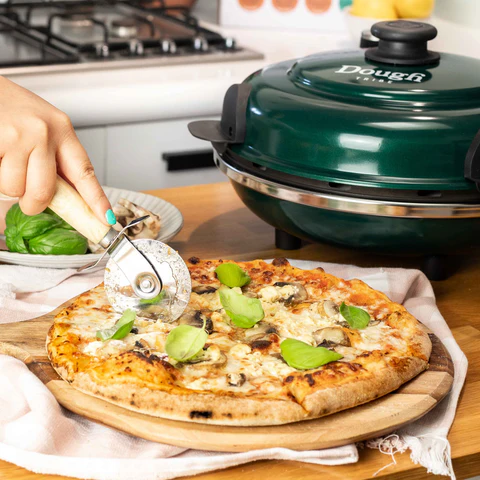
The Heart of the Matter: Why a Pizza Stone for Your Traeger?
At its core, a pizza stone is a simple yet revolutionary cooking surface designed to mimic the intense, even heat of a brick oven. Most quality pizza stones are crafted from materials like cordierite or ceramic, chosen for their exceptional ability to absorb and retain high temperatures. This isn’t just about heat; it’s about how that heat interacts with your pizza dough. The stone draws out moisture from the crust, preventing the dreaded “soggy bottom” and resulting in a gloriously crisp and chewy texture.
When used on your Traeger grill, a pizza stone takes this concept to the next level. Not only do you get superior crust development, but your pizza also benefits from the unique wood-fired flavor that only a pellet grill can deliver. The consistent heat distribution of the stone ensures your pizza cooks evenly from edge to center, eliminating hot spots and cold zones. Plus, making pizza outdoors means keeping your kitchen cool, especially during warm summer months – a huge bonus! A versatile tool, your Traeger pizza stone isn’t just for pizza; it’s fantastic for baking artisan breads, calzones, and even cookies, expanding your outdoor culinary repertoire.
Choosing Your Ideal Traeger Pizza Stone
Selecting the right pizza stone is the first step towards achieving pizza perfection on your Traeger. While many options exist, understanding the key factors will help you make the best choice for your grilling setup.
Material Matters
The material of your pizza stone significantly impacts its performance and durability.
- Cordierite: This is widely regarded as the top choice for pizza stones, especially for high-heat applications like a Traeger grill. Cordierite is incredibly durable, highly resistant to thermal shock (meaning it won’t crack easily when exposed to rapid temperature changes), and excels at even heat distribution and retention. Its porous structure is excellent at wicking away moisture from the dough, ensuring a crispy crust.
- Ceramic: While more affordable, ceramic stones can be more prone to cracking under extreme temperature fluctuations. They still offer good heat retention but might require a bit more careful handling.
- Cast Iron: Cast iron baking surfaces heat up quickly and retain heat exceptionally well, leading to a great crust. However, they can be quite heavy and may not absorb moisture from the dough as effectively as cordierite, sometimes resulting in a slightly less crispy bottom.
Size and Shape
Consider the dimensions of your Traeger grill and the size of pizzas you typically make. Rectangular pizza stones (e.g., 14″x16″ or 15″x12″) often fit seamlessly onto Traeger grates, allowing you to maximize cooking space. Round stones, commonly 13 to 16 inches in diameter, are also popular and can work well, but always measure your grill’s cooking surface to ensure a proper fit and adequate airflow.
Thickness and Heat Retention
A thicker pizza stone (around an inch or more) generally offers superior heat retention and distribution. While it will take longer to preheat, a thicker stone provides a more stable cooking surface, leading to more consistent results and less temperature drop when you place a cold pizza on it.
Unlocking Wood-Fired Flavor: How to Use Your Traeger Pizza Stone
Using a pizza stone on your Traeger is straightforward, but a few crucial steps make all the difference between a good pizza and a truly unforgettable one.
Preparation is Key
- Placing the Stone: Always place your pizza stone on the Traeger’s grill grates before you start heating the grill. This allows the stone to heat up gradually with the grill, preventing thermal shock and potential cracking.
- Preheating for Perfection: Set your Traeger to its highest temperature, typically between 450°F and 500°F. Once the grill reaches this target temperature, allow the pizza stone to preheat for an additional 15 to 20 minutes. This extended preheating time is critical to ensure the stone is saturated with heat, creating the intensely hot surface needed for a crispy crust. As Chef Isabella Rossi, a renowned expert in wood-fired cuisine, often says, “A cold stone is a sad stone. Give it time to truly awaken its potential!”
Crafting Your Pizza
- Dough Prep: If using refrigerated dough, let it come to room temperature for easier stretching. Liberally dust your pizza peel (or a clean countertop) with cornmeal or semolina. This acts like tiny ball bearings, making it much easier to slide your pizza onto the hot stone.
- Toppings: While creativity is encouraged, remember that less is often more. Overloading your pizza can make it difficult to transfer and may result in an undercooked center.
The Transfer Technique
This can be the trickiest part, but with practice, you’ll master it.
- Build your pizza directly on the cornmeal-dusted peel.
- Give the peel a gentle shake to ensure the pizza slides freely. If it sticks, lift the edges and add more cornmeal.
- With a swift, confident motion, slide the pizza from the peel onto the preheated Traeger pizza stone. Don’t hesitate!
Cooking on the Traeger
- Temperature and Time: For a quick, Neapolitan-style pizza, aim for the highest temperatures (450-500°F) for about 5-10 minutes. For a slightly thicker crust or more toppings, you might opt for a slightly lower temperature (around 350-400°F) for 15-20 minutes. Keep an eye on your pizza; cooking times can vary.
- Achieving Evenness: Traeger grills often have hotter and cooler spots. If you notice one side of your pizza cooking faster than the other, use your peel to give it a half turn midway through cooking.
- Doneness Cues: Your pizza is ready when the crust is golden brown and crispy, and the cheese is melted and bubbly, with a few deliciously browned spots.
- Resting and Serving: Once removed from the grill, let your pizza rest on a cutting board for 2-3 minutes before slicing. This allows the cheese to set and prevents toppings from sliding off.
Secrets to a Sizzling Crust: Expert Tips and Tricks
Want to truly nail that wood-fired crispness every time? Here are a few insider tips:
- Don’t Peek Too Soon! Every time you open the Traeger lid, you lose valuable heat from the grill and the stone. Resist the urge to check frequently, especially in the first few minutes of cooking.
- Less is More (with toppings): Lightly topped pizzas cook faster and more evenly, ensuring a crisp crust. Heavy, wet toppings can weigh down the dough and introduce too much moisture.
- Rotate for Even Cooking: Even with a hot stone, slight temperature variations can occur. A quick half-turn of your pizza after about half the cooking time will ensure a uniformly browned crust.
- The Cornmeal/Semolina Trick: This isn’t just for transferring; it adds a subtle crunch and authentic texture to the bottom of your crust.
- Consider a Pizza Oven Attachment: For ultimate high-heat performance, some accessories convert your Traeger into a dedicated pizza oven, concentrating heat and reaching even higher temperatures for blisteringly fast cooking.
Keeping Your Stone in Top Shape: Care and Maintenance
Proper care extends the life of your Traeger pizza stone and ensures delicious results for years to come.
- Cool Down Completely: Always allow your pizza stone to cool down to room temperature before attempting to clean it. Exposing a hot stone to cold water can cause thermal shock, leading to cracks.
- The “No Soap” Rule: This is paramount. Pizza stones are porous and will absorb soap or detergent, which can then impart an unpleasant soapy flavor to your future pizzas.
- Scrape, Don’t Soak: Use a plastic scraper or a stiff brush to gently remove any stuck-on food bits or burnt residue. Avoid metal utensils, as they can scratch the surface. Never soak your pizza stone in water.
- Tough Stains: For stubborn stains, a paste made of baking soda and a little water can be gently scrubbed onto the area. Rinse clean with a damp cloth afterward.
- Air Dry Thoroughly: After cleaning, ensure your stone is completely dry before its next use. Any residual moisture can cause it to crack when exposed to high heat.
- Embrace the Patina: Over time, your pizza stone will naturally darken and develop stains. This is a normal part of its seasoning process and will not affect its performance or the taste of your pizza. Think of it as a badge of honor, a testament to countless delicious meals. Avoid using oil on the stone itself, as this can lead to smoking and permanent staining.
Frequently Asked Questions
Q: What’s the best temperature for cooking pizza on a Traeger with a pizza stone?
A: For optimal crispy crusts and quick cooking, preheat your Traeger to its highest setting (450-500°F) and let the pizza stone heat for an additional 15-20 minutes.
Q: Can I use any pizza stone on my Traeger grill?
A: While many pizza stones can technically be used, cordierite stones are highly recommended for their durability and resistance to thermal shock, which is crucial for the high, fluctuating temperatures of a grill. Ensure the stone’s size fits your Traeger’s grates properly.
Q: How do I prevent my pizza from sticking to the stone?
A: Generously dust your pizza peel with cornmeal or semolina before building your pizza. Make sure the pizza slides freely on the peel before attempting to transfer it to the hot stone. Don’t leave the pizza on the peel for too long before transferring.
Q: Is it normal for my pizza stone to get stained?
A: Yes, absolutely. It’s completely normal for your pizza stone to darken and develop stains over time. This is called a “patina” and does not affect the stone’s performance or the flavor of your food.
Q: Can I use my Traeger pizza stone for baking other foods?
A: Yes! A Traeger pizza stone is incredibly versatile. It’s excellent for baking bread, calzones, flatbreads, and even cookies, providing a consistently crispy bottom for various baked goods.
Conclusion
The Traeger pizza stone is more than just an accessory; it’s a game-changer for anyone passionate about homemade pizza and outdoor cooking. By providing an intensely hot, even surface, it unlocks the potential for wood-fired crusts that rival your favorite pizzeria, all from the comfort of your backyard. With the right stone, proper preheating, careful transfer, and simple maintenance, you’re well on your way to crafting unforgettable pizzas. So, fire up your Traeger, grab your favorite toppings, and prepare to experiment. Your journey to perfect, smoky, crispy pizza starts now!