There’s nothing quite like the joy of a perfect homemade pizza, with its bubbling cheese, savory toppings, and, most importantly, that irresistible crispy crust. While many aspire to recreate the magic of a pizzeria in their own kitchen, the secret often lies not just in the ingredients, but in the right tools. Enter the Unicook Pizza Stone, a game-changer for home bakers looking to elevate their pizza nights from good to absolutely glorious. This guide will walk you through everything you need to know about the Unicook pizza stone, ensuring every slice you serve is nothing short of perfection.
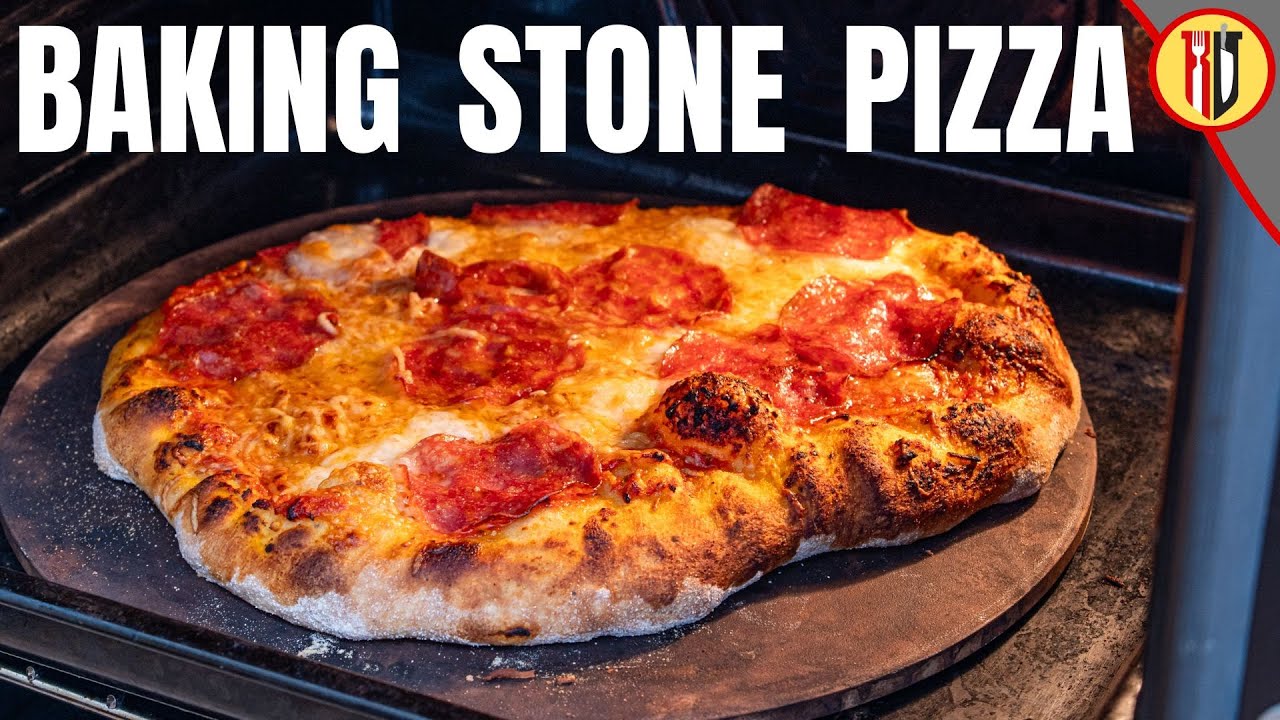
The Legacy of Crispy Crusts: Unicook Pizza Stone’s Origins and Innovation
Pizza stones have been around for centuries, evolving from simple clay slabs used in traditional ovens to the sophisticated baking tools we use today. The core idea remains the same: to mimic the intense, dry heat of a brick oven, drawing moisture from the dough to create a beautifully crisp crust. The Unicook pizza stone carries on this legacy, leveraging modern material science to deliver outstanding results. Crafted primarily from high-quality cordierite, a natural mineral, Unicook has engineered a baking surface that stands up to extreme temperatures and delivers superior heat distribution, making it an indispensable tool for any aspiring pizzaiolo.
The Unicook Advantage: Understanding Different Pizza Stone Types
While various materials like ceramic, cast iron, and even baking steel exist, the Unicook pizza stone primarily utilizes cordierite, and for good reason. Cordierite is a heavy-duty, man-made material known for its exceptional heat resistance, capable of withstanding temperatures up to 1450°F (787°C), making it ideal for both ovens and grills. Unlike some other materials, cordierite is highly resistant to thermal shock, meaning it’s less likely to crack when exposed to rapid temperature changes.
But the real magic of a cordierite Unicook pizza stone lies in its porous nature. These invisible micro-pores actively draw moisture from your pizza dough as it bakes, preventing a soggy bottom and ensuring that coveted crisp crust. Unicook offers its pizza stones in various practical shapes and sizes, including popular rectangular (e.g., 15×12-inch, 16×14-inch) and round (e.g., 16-inch diameter) options, designed to fit comfortably in most home ovens and many grills.
Unleash Your Inner Pizzaiolo: A Step-by-Step Guide to Using Your Unicook Pizza Stone
Using a Unicook pizza stone isn’t complicated, but a few key steps will ensure you get the best results every time.
1. Initial Preparation and Placement
Before its first use, ensure your new Unicook pizza stone is clean and completely dry. There’s no need for any special seasoning or oiling, as cordierite stones develop a natural non-stick surface with regular use. Place the Unicook pizza stone on the middle rack of your oven or directly on the grates of your grill, ensuring at least one inch of clearance on all sides for optimal air circulation. For best results and to prevent thermal shock, always place the stone in a cold oven or grill before preheating.
2. The Golden Rule: Proper Preheating
This is perhaps the most crucial step for achieving a truly crispy crust. Preheat your oven or grill with the Unicook pizza stone inside to your desired cooking temperature, typically between 400°F and 550°F (200-290°C), for at least 30-60 minutes. The longer the preheat, the more heat the stone absorbs and retains, creating an incredibly hot surface that sears the dough instantly when it makes contact. This intense initial heat is what gives your crust that delightful puff and crispness.
3. Launching Your Masterpiece
Once your Unicook pizza stone is fully preheated, it’s time for the big moment! Prepare your pizza on a generously floured or cornmeal-dusted pizza peel. The flour or cornmeal acts as tiny ball bearings, helping the pizza slide effortlessly. With a swift, confident motion, carefully slide your prepared pizza onto the center of the blazing hot stone. Don’t worry if it’s not perfectly centered; you can often gently adjust it with the peel if needed.
4. Baking to Perfection
Bake your pizza according to your recipe. Cooking times will vary depending on the thickness of your crust and the amount of toppings. Thin-crust fresh pizzas might be ready in as little as 6-10 minutes at 500°F (260°C), while thicker or frozen pizzas may take longer. Keep an eye on your pizza, rotating it halfway through if your oven has hot spots, until the crust is golden brown and the cheese is bubbly and melted. Use your pizza peel to carefully remove the cooked pizza from the stone.
Expert Tips and Tricks for Unicook Pizza Stone Perfection
Achieving pizzeria-quality results with your Unicook pizza stone goes beyond just the basic steps. Here are some pro tips to truly elevate your baking:
Achieving the Perfect Crust
The key to that enviable blistered and crispy crust is a super-hot Unicook pizza stone and a fast bake. Don’t be shy about pushing your oven’s temperature to its limit (usually 500-550°F or 260-290°C). The initial blast of heat helps the dough rise quickly and creates air pockets, resulting in a lighter, crispier texture. For even better results, consider using a lower moisture dough recipe designed for high-heat baking.
Beyond Pizza: Unleashing Versatility
Your Unicook pizza stone isn’t a one-trick pony! It’s fantastic for baking artisan breads, baguettes, cookies, biscuits, and even croissants. The stone’s consistent heat and moisture-wicking properties will give these baked goods a superior crust and texture compared to baking on a standard metal tray.
Troubleshooting Common Issues
- Pizza sticking: This usually means your Unicook pizza stone wasn’t preheated long enough, or your pizza peel wasn’t dusted sufficiently with flour or cornmeal. Ensure a generous preheat and ample dusting.
- Uneven cooking: Ovens often have hot and cold spots. Rotate your pizza halfway through baking to ensure even browning.
“The secret to a truly outstanding homemade pizza isn’t just about the dough or toppings; it’s about replicating that intense, even heat of a brick oven. A quality cordierite pizza stone, like the Unicook, is the essential bridge to achieving that perfect blistered crust and fluffy interior right in your own kitchen.” – Chef Isabella Rossi, Culinary Educator and Home Baking Enthusiast.
Why a Unicook Pizza Stone is a Game-Changer for Home Bakers
If you’re still using a regular baking sheet for your pizzas, preparing to be amazed by the difference a Unicook pizza stone makes. The benefits are numerous and immediately noticeable:
- Crispier Crust, Every Time: The cordierite material of the Unicook pizza stone actively draws moisture from your dough, ensuring a uniformly crisp and perfectly browned crust that’s virtually impossible to achieve on a metal pan.
- Even Cooking: Unlike metal pans that can create uneven hot spots, a preheated Unicook pizza stone provides a consistent, radiating heat that cooks your pizza evenly from edge to edge.
- Unmatched Versatility: Its ability to withstand extreme temperatures means your Unicook pizza stone can transition seamlessly from your kitchen oven to your outdoor grill or even a smoker, opening up a world of culinary possibilities.
- Durability You Can Trust: Sintered at incredibly high temperatures during manufacturing, Unicook pizza stones are built to last, offering excellent resistance to thermal shock and general wear and tear, making them a long-term investment for your kitchen.
Preserving Your Culinary Companion: Care and Maintenance for Your Unicook Pizza Stone
A Unicook pizza stone is designed to be a durable workhorse, but proper care will extend its lifespan and ensure consistent performance.
Cooling and Initial Cleaning
Always allow your Unicook pizza stone to cool completely before attempting to clean it. Thermal shock from sudden temperature changes (like running cold water over a hot stone) can cause it to crack. Once cool, use the included plastic scraper or a stiff brush to remove any stuck-on food residue.
The “No Soap” Rule
This is critical: never use soap or detergent to clean your Unicook pizza stone. Cordierite is a porous material and will absorb cleaning agents, which can then leach into your food, affecting its taste and potentially damaging the stone. Hand wash the stone with warm water only.
Tackling Stubborn Stains
For more persistent stains, a paste made from baking soda and water can be a miracle worker. Apply the paste, let it sit for a bit, then gently scrub with a brush or nylon pad and rinse with warm water. Don’t be alarmed by discoloration or dark spots; these are normal signs of a well-used and naturally seasoned stone, which actually improves its performance over time.
Thorough Drying
If you’ve used water to clean your Unicook pizza stone, it’s imperative to dry it completely before its next use. Because of its porous nature, the stone can retain moisture. To ensure it’s bone-dry and to prevent potential cracking from trapped water expanding during reheating, place the cleaned stone in a cold oven and heat it to 500°F (260°C) for about 30 minutes, then let it cool slowly.
Storage
Store your Unicook pizza stone in a clean, dry place. Many users simply leave it in their oven on the bottom rack, where it can also help regulate oven temperature and absorb spills during other baking tasks.
What to Avoid
- No Seasoning with Oil: Unlike cast iron, a Unicook cordierite pizza stone does not need to be seasoned with oil or grease. This can lead to smoking and unpleasant odors.
- No Direct Cutting: Avoid cutting pizza directly on the stone, as this can scratch or damage the surface.
- Handle with Care: As a heavy and porous stone, handle your Unicook pizza stone carefully to avoid dropping or bumping it, which could lead to cracks.
Frequently Asked Questions About the Unicook Pizza Stone
Q: Do I need to season my Unicook pizza stone with oil?
A: No, Unicook cordierite pizza stones do not require seasoning with oil or grease. They naturally develop a non-stick surface and darken with regular use, which is a sign of good seasoning, similar to cast iron.
Q: How do I clean my Unicook pizza stone effectively?
A: Allow it to cool completely, then scrape off residue with a plastic scraper. Hand wash with warm water only; never use soap or detergent as the stone is porous. For tough stains, use a baking soda paste. After cleaning with water, dry it thoroughly in an oven.
Q: Can I use my Unicook pizza stone on a grill?
A: Yes! Unicook pizza stones are made from cordierite, which is heat-resistant up to 1450°F (787°C), making them perfectly safe and effective for use on gas grills.
Q: Why did my Unicook pizza stone crack?
A: Cracking is usually due to thermal shock, which occurs from rapid temperature changes. Always place the Unicook pizza stone in a cold oven or grill and allow it to heat up and cool down gradually. Also, avoid placing frozen food directly onto a very hot stone without thawing first.
Q: What temperature should I preheat my Unicook pizza stone to?
A: For optimal crispy crusts, preheat your Unicook pizza stone in your oven or grill to 400-550°F (200-290°C) for at least 30-60 minutes.
Q: Can I bake other things besides pizza on my Unicook pizza stone?
A: Absolutely! Your Unicook pizza stone is excellent for baking a variety of items, including artisan breads, cookies, biscuits, and pastries, providing them with a superior crust and texture.
Conclusion
The Unicook pizza stone is more than just a piece of bakeware; it’s an invitation to unlock a new level of culinary creativity and satisfaction in your own home. By understanding its unique cordierite composition, following simple usage guidelines, and committing to proper care, you’ll consistently achieve restaurant-quality crispy crusts that will impress family and friends alike. So, preheat that oven, dust off your peel, and get ready to transform your homemade pizzas into unforgettable masterpieces with your trusty Unicook pizza stone.