There’s something magical about pizza, isn’t there? That perfect crispy crust, bubbling cheese, and savory toppings – it’s a dish that brings people together. But imagine taking that experience outdoors, infusing it with smoky BBQ flavor, and achieving a professional-grade crispness right in your backyard. That’s precisely what a Weber Bbq Pizza Stone allows you to do. Forget delivery; with this game-changing accessory, you’re not just cooking pizza, you’re crafting an experience.
The Journey of the Pizza Stone: From Ancient Ovens to Your Weber Grill
The concept of baking on hot stones dates back to ancient civilizations, where flatbreads were cooked on heated rocks, creating that unmistakable rustic crunch. Fast forward to modern times, and this age-old technique has found a brilliant home in the world of outdoor grilling. Weber, a name synonymous with quality BBQs, embraced this tradition, developing pizza stones that transform your grill into a high-performance outdoor oven. This evolution means you can now replicate the intense, even heat of a traditional brick oven, right on your gas or charcoal grill, bringing authentic pizzeria taste to your table.
Choosing Your Weapon: Types of Weber BBQ Pizza Stones
Weber offers a range of pizza stones, each designed to elevate your outdoor cooking. Understanding the differences can help you pick the perfect companion for your grilling adventures.
Cordierite: The Crispy Crust Champion
Many classic Weber pizza stones are crafted from cordierite, a ceramic material renowned for its exceptional heat retention and ability to absorb moisture. This moisture-wicking property is key to achieving that coveted light and crispy pizza crust that often eludes home cooks. Cordierite stones are robust and built to withstand the high temperatures of your grill, delivering consistent heat for even baking.
Glazed Baking Stones: Easy Clean-Up, Versatile Baking
For those who prioritize convenience, Weber’s glazed baking stones, especially those within the WEBER CRAFTED Outdoor Kitchen Collection, are a fantastic choice. The glazed surface makes cleanup significantly easier and helps prevent sticking. Beyond pizza, these versatile stones can handle a whole bakery of treats – from cookies and biscuits to artisan breads, effectively turning your grill into an outdoor oven for all your baking needs. Just remember, a glazed stone often requires the WEBER CRAFTED frame kit to fit perfectly into your grill.
Sizing Up Your Stone
Weber pizza stones come in various sizes, typically ranging from 26cm to 16.7 inches, ensuring there’s a fit for most Weber grills, from smaller Q-series models to larger kettle and gas barbecues. Always check the dimensions to ensure compatibility with your specific grill model.
Mastering the Heat: A Step-by-Step Guide to Using Your Weber BBQ Pizza Stone
Using a Weber BBQ pizza stone might seem intimidating at first, but with a few simple steps, you’ll be launching perfect pies like a pro.
Setting Up Your Weber Grill for Success
Whether you’re firing up a gas or charcoal grill, the setup is crucial.
- For Gas Grills: Place your pizza stone on the cooking grates. Close the lid and preheat your grill to a high temperature, ideally between 450-500°F (or up to 550°F if you have a sear zone and a glazed stone). It’s important to experiment with your burner settings to find the sweet spot that provides even heat across the stone without scorching the bottom of your pizza.
- For Charcoal Grills: Spread your charcoal evenly across the bottom of the grill. Avoid piling it directly underneath where the stone will sit, as this can create an overly hot spot and lead to a burnt crust. Aim for an indirect heat setup if possible, or a two-zone fire, to control the heat flow to the stone.
The Art of Preheating: Don’t Rush It!
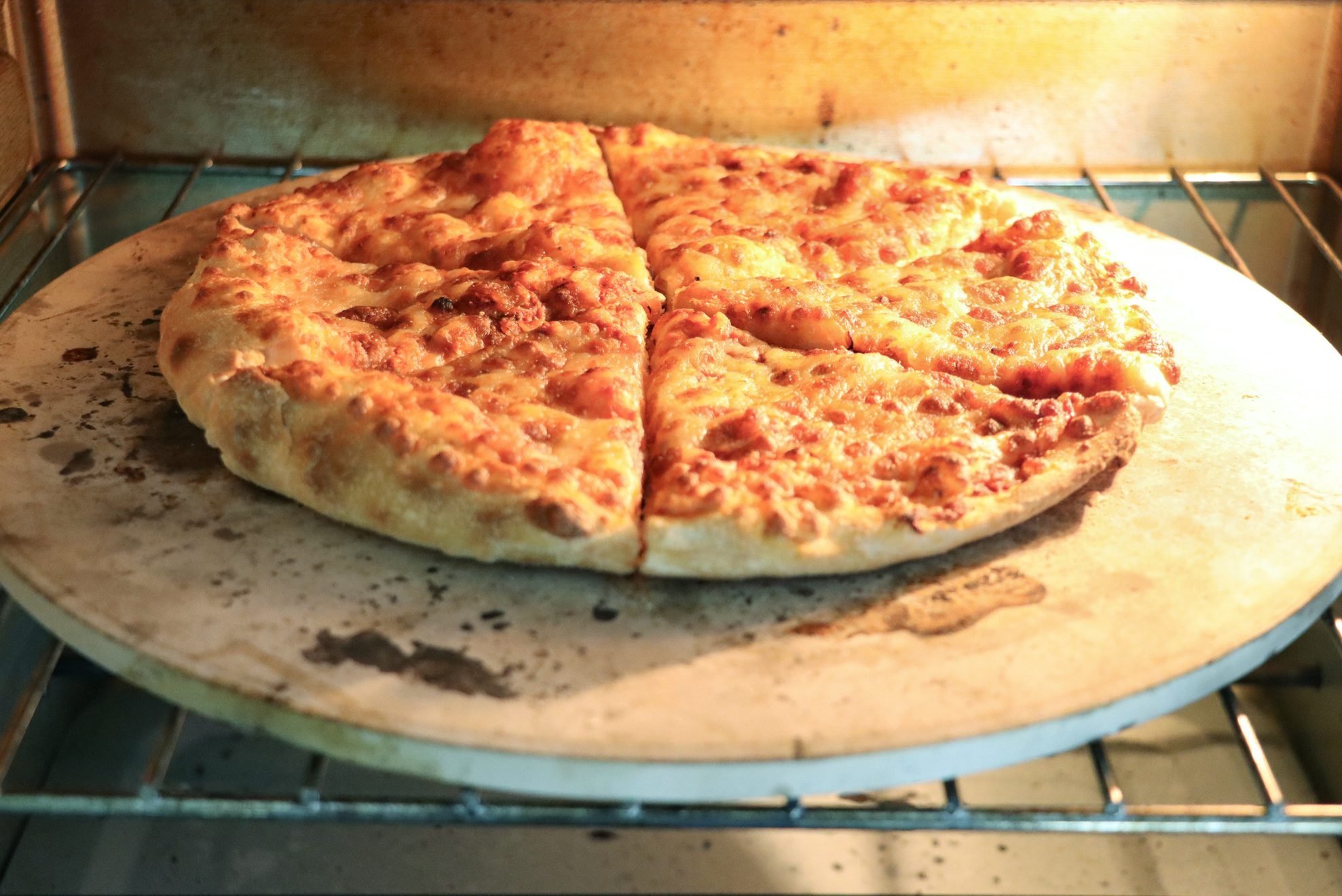
This is arguably the most critical step. A properly preheated stone is the secret to a non-stick surface and a beautifully crispy crust. Place the Weber BBQ pizza stone on your cold grill grates, then ignite your grill. Allow it to preheat with the lid closed for at least 20-30 minutes, or even longer (up to an hour) for optimal heat saturation. You want the stone screaming hot; this prevents your dough from sticking and ensures it crisps up instantly upon contact.
Crafting Your Pizza: Dough, Toppings, and Transfer Tricks
Preparation is key to a stress-free pizza launch.
- Dough: Always allow your pizza dough to come to room temperature for 30-45 minutes before stretching. This makes it more pliable and easier to work with.
- Toppings: Less is often more when grilling pizza. Overloading your pizza can result in a soggy center and uneven cooking, as the toppings release too much moisture. Stick to light layers of sauce, cheese, and your favorite ingredients.
- The Launch: Dust your pizza peel generously with cornmeal or flour. This acts as tiny ball bearings, helping the pizza slide effortlessly onto the hot stone. Some grill masters even swear by parchment paper, allowing you to slide the pizza and paper onto the stone, then gently pull the paper out once the crust sets after a minute or two.
Grilling to Perfection: Time and Temperature
Once your pizza is assembled on the peel, carefully slide it onto the preheated Weber BBQ pizza stone. Close the grill lid immediately to trap the heat. For most fresh pizzas, cooking time typically ranges from 7-10 minutes at 450-475°F. Check after about 4-5 minutes, and then every couple of minutes, until the cheese is melted and bubbly, and the crust is golden brown and crispy. The hot air inside the grill is what truly helps melt that cheese and cook the top, so keep that lid shut!
Expert Tip: Achieving Even Top and Bottom Cook
“One of the biggest challenges with grilling pizza is getting the top to cook as evenly as the bottom,” advises Chef Marco Bianchi, a renowned outdoor culinary expert. “A clever trick is to use a second, smaller pizza stone or a few fire bricks to elevate your main pizza stone slightly off the grates. This creates an air gap, shielding the bottom from excessive direct heat while allowing more radiant heat to circulate around the top of the pizza, giving you a more balanced bake.” This technique helps prevent a burnt bottom while ensuring your cheese and toppings are perfectly cooked.
Why a Weber BBQ Pizza Stone Will Change Your Pizza Game Forever
Investing in a Weber BBQ pizza stone isn’t just buying an accessory; it’s unlocking a new dimension of flavor and fun in your backyard.
Unrivaled Crispy Crust
This is the holy grail of homemade pizza. The dense, porous material of the pizza stone absorbs moisture from the dough, mimicking a professional brick oven. The result? A perfectly golden, incredibly crispy crust every single time, far superior to what a standard kitchen oven can produce.
That Irresistible Smoky Flavor
Grilling pizza imparts a unique, subtle smoky flavor that simply cannot be replicated indoors. It’s a game-changer, adding depth and complexity to your favorite recipes, making each bite an authentic outdoor culinary delight.
Grilling for a Crowd Made Easy
Pizza on the grill is an interactive and fun way to entertain. You can set up a “pizza bar” with various toppings, letting each guest customize their own creation. The stone’s excellent heat retention means you can cook multiple pizzas back-to-back without significant temperature drops, ensuring everyone gets a hot, fresh pie.
Beyond Pizza: Unleashing Its Full Potential
While perfect for pizza, many Weber stones, especially the glazed versions, are incredibly versatile. Use them for baking artisan breads, crafting flaky puff pastries, or even reheating leftovers to give them a crispy new life. Some people even use them for grilling burgers or other items, treating it as a flat-top grill surface.
Keeping Your Stone in Prime Condition: Care and Maintenance
Proper care ensures your Weber BBQ pizza stone lasts for years of delicious pizza-making.
Cool Down Properly: Preventing Cracks
The number one rule for pizza stone longevity is to avoid thermal shock. Always allow your stone to cool down completely on the grill or a heat-safe surface before attempting to clean it. Placing a hot stone under cold water is a surefire way to cause it to crack. Patience is a virtue here!
The Cleaning Ritual: What to Do and What to Avoid
Once completely cool, cleaning is straightforward.
- What to do: Rinse the stone with plain water. Use a plastic scraper or a non-abrasive nylon brush to gently remove any stuck-on food particles.
- What to avoid: Never soak your pizza stone in water. Also, avoid using soap or detergent, especially on cordierite stones, as they are porous and can absorb the soap flavors, which might transfer to your next pizza. Your pizza stone is also not dishwasher safe.
Deep Cleaning for Glazed Stones (Baking Soda & Vinegar Method)
For more stubborn food residue on glazed stones, a simple baking soda paste can work wonders.
- Remove as much loose food residue as possible.
- Mix three parts baking soda with one part water to form a thick paste.
- Generously apply the paste to the stained areas of the stone, ensuring full coverage.
- Let the paste sit for a few hours or even overnight.
- Scrub with a non-abrasive nylon brush or sponge, then rinse thoroughly with water and dry completely.
- For extra stubborn spots, pour a little vinegar over the baking soda paste just before scrubbing. The fizzing reaction helps lift tough stains.
Storing Your Stone Safely
Pizza stones, especially cordierite ones, are susceptible to cracking in cold weather. Never store your Weber BBQ pizza stone outdoors during freezing temperatures. Always ensure it is thoroughly dry before storing it indoors in a safe place where it won’t be accidentally dropped.
Troubleshooting Common Pizza Stone Hurdles
Even seasoned grillers encounter snags. Here are quick fixes for common issues:
“My Pizza Bottom is Burnt!”
This usually means your stone was too close to direct heat or your grill temperature was too high. Try reducing the heat slightly, or if on a charcoal grill, create a larger indirect zone. Elevating the stone with fire bricks can also help.
“My Cheese Isn’t Melting Enough!”
This indicates insufficient top-down heat. Ensure your grill lid is closed tight to trap heat. If using charcoal, try to optimize for convection heat. Elevating the stone can also help circulate heat more effectively around the top of the pizza.
“Oh No, It Cracked!”
Cracking is often caused by thermal shock (sudden temperature changes) or dropping the stone. Always let your stone cool down gradually and completely before handling or cleaning. Some stones, unfortunately, may have manufacturing defects, but Weber typically offers a 2-year warranty on their accessories.
Frequently Asked Questions (FAQ)
Q: Can I use a Weber pizza stone on any grill?
A: Weber pizza stones are designed to work with various Weber gas and charcoal grills. However, specific models like the WEBER CRAFTED Glazed Baking Stone require the compatible WEBER CRAFTED frame kit to fit properly. Always check the product specifications for compatibility.
Q: How do I prevent my pizza from sticking to the stone?
A: Proper preheating is crucial. Ensure your Weber BBQ pizza stone is screaming hot (450-500°F) for at least 20-30 minutes. Generously dust your pizza peel with cornmeal or flour, or use parchment paper, to help the pizza slide easily onto the stone.
Q: What’s the ideal temperature for cooking pizza on a Weber BBQ pizza stone?
A: For most fresh pizzas, aim for a grill temperature between 450-500°F. Some glazed stones can handle up to 550°F, especially if using a sear zone for extra heat.
Q: Is it normal for my pizza stone to get stained?
A: Yes, it is completely normal for your Weber BBQ pizza stone to darken and develop stains over time with use. These “seasoning” marks are a sign of a well-loved stone and do not affect its performance or flavor.
Q: How long does a Weber pizza stone last?
A: With proper care and maintenance, a Weber pizza stone can last for many years. Factors like avoiding thermal shock, correct cleaning, and safe storage contribute significantly to its longevity. Weber accessories typically come with a 2-year warranty.
Elevate Your Pizza Game
The Weber BBQ pizza stone is more than just an accessory; it’s an invitation to explore the art of outdoor pizza making. From the crispy crust to the smoky aroma, every element is enhanced when cooked over live fire. So, ignite your grill, gather your favorite ingredients, and get ready to create pizzas that will impress your family and friends and awaken the true pizzaiolo within you. Don’t be afraid to experiment with different doughs, sauces, and toppings. The world of grilled pizza is vast and delicious, and your Weber pizza stone is your ticket to exploring it.