There’s a certain magic that happens when a pizza emerges from a Wood Stone Pizza Oven – a crust perfectly blistered, toppings imbued with a subtle smoky essence, and an aroma that transports you straight to the heart of Italy. More than just a cooking appliance, a wood stone pizza oven is an invitation to elevate your culinary skills, entertain with flair, and savor flavors that simply can’t be replicated by conventional methods. If you’ve ever dreamt of serving truly authentic, restaurant-quality pizza in your own backyard, understanding the nuances of these magnificent ovens is your first step towards becoming a pizzaiolo extraordinaire.
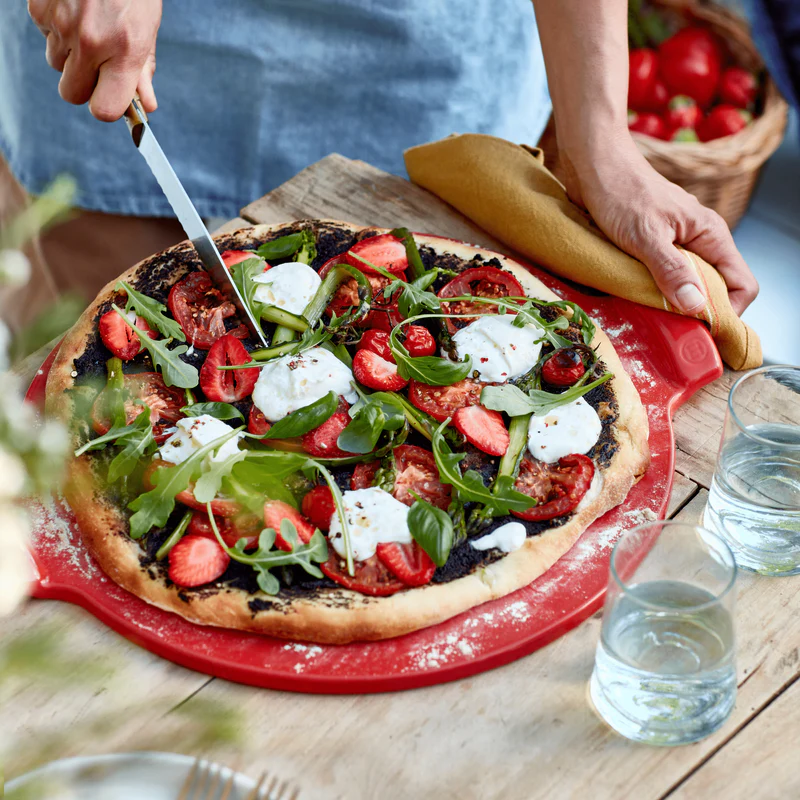
The Allure of the Wood Stone Pizza Oven
What makes a wood stone pizza oven such a coveted addition to any home or commercial kitchen? It boils down to a symphony of factors that create an unparalleled cooking experience and superior results.
Authentic Flavor Profile
The most immediate and undeniable benefit of a wood stone pizza oven is the unique flavor it imparts. The burning hardwoods infuse pizzas with a distinctive, smoky aroma and taste that penetrates both the crust and the toppings. This isn’t just about heat; it’s about the interaction of flames, smoke, and natural stone, creating a depth of flavor that a standard oven simply cannot achieve. The intense heat also leads to a perfect char on the crust, known as “leopard spots,” a hallmark of authentic Neapolitan pizza.
Unmatched Speed and Performance
Wood stone pizza ovens are powerhouses of heat, capable of reaching scorching temperatures between 700°F and 1000°F (370°C to 538°C). At these extreme temperatures, a pizza cooks in mere minutes—often as quickly as 90 seconds to 2-5 minutes. This rapid cooking isn’t just for convenience; it’s crucial for achieving that ideal crispy crust while keeping the toppings fresh and juicy. The quick cooking time also helps vegetables retain more of their natural nutrients and vibrant colors, making your meals not just delicious, but also more wholesome.
Beyond Pizza: Culinary Versatility
While “pizza oven” is in its name, the capabilities of a wood stone pizza oven extend far beyond just pies. These versatile ovens are fantastic for a wide array of dishes. Imagine perfectly roasted chickens with crispy skin, tender slow-cooked stews, artisan breads with incredible crusts, or even baked desserts and roasted vegetables. The residual heat after the main cook is excellent for baking bread overnight or gently warming dishes.
A Social Hub and Outdoor Oasis
Adding a wood stone pizza oven to your outdoor space instantly transforms it into a vibrant hub for entertaining. The mesmerizing glow of the flames and the delicious aromas create an inviting ambiance that draws people together. It’s an interactive cooking experience where friends and family can gather, customize their own pizzas, and enjoy the show as you slide them into the fiery oven. It’s not just a meal; it’s an event, extending your outdoor living possibilities and making every gathering memorable.
Eco-Friendly Edge
For those conscious about their environmental footprint, wood-fired cooking offers an eco-friendly advantage. Using wood as a renewable resource is a low-carbon alternative to gas or electric appliances. Once heated, the dense insulation and thermal mass of a wood stone pizza oven allow it to retain high temperatures for hours, enabling you to cook multiple meals with a single fire, thus enhancing energy efficiency and reducing reliance on the grid.
Types of Wood Stone Pizza Ovens: Finding Your Perfect Match
The world of wood stone pizza ovens offers a variety of options, each with distinct characteristics to suit different needs and preferences.
- Built-in vs. Portable Ovens: Built-in ovens become a permanent fixture, often integrated into an outdoor kitchen design, providing a grand statement. Portable wood stone pizza ovens, on the other hand, offer flexibility, allowing you to move them around your yard or even take them to events.
- Traditional Brick vs. Modern Refractory/Steel: Traditional brick ovens are renowned for their classic aesthetic and incredible heat retention. Modern refractory ovens, often made with advanced ceramic materials, offer similar performance with quicker heat-up times and lighter construction. Stainless steel models are popular for their contemporary look and fast cooling.
- Fuel Options: While the focus here is on wood stone pizza ovens, it’s worth noting that some models offer gas or hybrid (wood and gas) firing options. However, for that authentic smoky flavor and traditional experience, pure wood-fired remains the gold standard.
Mastering Your Wood Stone Pizza Oven: A Step-by-Step Guide
Embarking on your wood stone pizza oven journey is exciting! Here’s a basic guide to get you started, assuming your oven has been properly “cured” (a slow heating process to remove moisture, essential for new ovens).
Preparation is Key
Before lighting your fire, gather your essentials:
- Wood Supply: Use seasoned hardwood like oak, maple, apple, or cherry for the best flavor and heat. Avoid softwoods, which produce more soot and less consistent heat.
- Kindling: Small sticks, twisted paper, or natural fire starters.
- Tools: A long-handled pizza peel, a turning peel, an ember mover or rake, a stiff brush for the oven floor, heat-resistant gloves, and crucially, an infrared thermometer to gauge oven and stone temperatures.
- Prepared Food: Have your pizza dough stretched, sauces ready, and toppings organized within easy reach. The cooking process is fast, so preparation is paramount.
Building the Perfect Fire
There are a couple of popular methods for building your initial fire:
- Top-Down Method: Place three larger logs (3-5 inches diameter) parallel on the oven floor, leaving gaps for airflow. Layer smaller logs (50-75% smaller) perpendicularly on top. Add a third layer of even smaller pieces (1-2 inches) in the same direction as the first. Finish with kindling and twisted newspaper on top. This method allows the fire to burn downwards, creating a cleaner burn.
- Box Style Method: Create a square with logs in the center of the oven, fill the center with kindling, then build successive, smaller layers on top.
Ignite the kindling with a match, lighter, or a blow torch (with caution). Ensure good airflow for a clean, strong flame.
Achieving Optimal Temperature
Once ignited, keep the fire in the center of the oven as it heats up. Your goal for pizza is a floor temperature between 700°F and 750°F (370°C to 400°C), though some prefer higher. Use your infrared thermometer to check the temperature of the oven floor next to the fire. This heating process can take anywhere from 15 minutes to over an hour, depending on your oven’s size and construction. A stainless steel oven cools down quickly, while a traditional brick oven retains heat for many hours.
Cooking Your Culinary Masterpiece
When the desired temperature is reached, use your ember mover or rake to push the fire to one side or the back of the oven, creating a clean cooking space. Swiftly sweep any ash from the cooking surface with your brush.
- For Pizza: Slide your prepared pizza onto the clean, hot stone using your long-handled peel. Position it about six inches from the flame. Pizzas cook incredibly fast; keep a close eye on your pie. After about 30-45 seconds, use your turning peel to rotate the pizza 180 degrees to ensure even cooking. Continue rotating every 10-20 seconds until the crust is golden brown, bubbly, and charred in spots, and the cheese is melted and caramelized. This usually takes 90 seconds to 2-5 minutes total.
- For Other Dishes: Adjust food placement relative to the fire for more or less direct heat. Monitor temperatures carefully with your thermometer.
Expert Tips for Wood Stone Pizza Oven Perfection
Achieving consistently perfect results with your wood stone pizza oven takes practice, but these insights will fast-track your journey.
“The secret to a truly great wood stone pizza isn’t just the heat; it’s understanding how the flame dances and breathes within the oven. Learn to read your oven, adjust your fire, and trust your instincts. The oven becomes an extension of your culinary soul.” – Chef Lorenzo Rossi, Renowned Pizzaiolo.
- Dough Matters: A high-quality pizza dough designed for high-temperature cooking is crucial. Ensure it’s stretched thinly and evenly to prevent burning on the outside before it cooks through.
- Don’t Overload: Keep toppings light to ensure even cooking and prevent a soggy center. Less is often more in a wood-fired pizza.
- Pre-prep is Paramount: With such fast cooking times, having all your ingredients prepped and within arm’s reach is non-negotiable. It’s a culinary race against the clock!
- Understand Heat Zones: Your oven will have hotter and cooler spots. Learning these zones allows you to maneuver your pizza for optimal cooking, moving it closer to the flame for charring or further away for gentler cooking.
- Keep it Dry: Always ensure your pizza stone is completely dry before use. Excess moisture can lead to cracks at high temperatures.
Preserving Your Investment: Care and Maintenance for Your Wood Stone Pizza Oven
Proper care extends the life of your wood stone pizza oven and ensures continued delicious results.
Cooling Down Properly
After cooking, decide if you want to retain heat for future use (e.g., baking bread overnight) by closing the door, or cool it down quickly by leaving the door open. Always allow the oven to cool completely before attempting any cleaning. Stainless steel ovens cool faster (around an hour), while traditional brick ovens can take several hours to cool down.
Cleaning the Interior
High temperatures naturally sanitize your oven, burning most food spills to ash.
- Ash Removal: Once cool, use a metal brush to sweep out ash and debris into a metal, fireproof container. Cooled ash can even be used as a garden fertilizer!
- Soot Stains: Soot, a byproduct of wood combustion, can stain. While a hard bristle brush can remove excess tar, complete stain removal can be tricky. Avoid water or harsh chemicals on fire clay bricks as they can cause damage and void warranties. Often, heating the oven to high temperatures again can help burn away stubborn soot.
- Floor Cleaning: For tough stains on the oven floor, a damp cloth or a damp sponge soaked in white vinegar and water can be used, but ensure the stone dries thoroughly before the next use to prevent cracking. Never throw water directly into a hot oven.
Exterior Care
The exterior of your wood stone pizza oven also needs attention.
- Protection: If your oven is outdoors, invest in a weatherproof cover to protect it from elements like rain, snow, and salt air, which can cause rust or erosion, especially for stainless steel models.
- Sealant: Some ovens, particularly those with a dome finish, benefit from an annual application of a clear waterproof sealant to maintain their integrity.
- General Cleaning: Wipe down exterior surfaces with a damp cloth and mild soap (if needed) for general dirt and grime, then rinse and dry thoroughly. Avoid abrasive cleaners.
Chimney Maintenance
Regularly inspect and clean your chimney flue and cap, especially for solid fuel applications, to prevent creosote buildup and ensure proper ventilation.
Frequently Asked Questions (FAQ)
What temperature should my wood stone pizza oven be for pizza?
For classic, quick-cooking pizza, aim for a floor temperature between 700°F and 750°F (370°C to 400°C), though some ovens can reach up to 1000°F (538°C) for ultra-fast cooks. Use an infrared thermometer to accurately measure the stone’s surface.
How long does it take to cook a pizza in a wood stone oven?
Thanks to their high heat, pizzas cook incredibly fast in a wood stone pizza oven, typically taking anywhere from 90 seconds to 5 minutes, depending on the oven’s temperature and your preferred level of crispiness.
Can I cook other foods in my wood stone pizza oven?
Absolutely! Wood stone pizza ovens are highly versatile. You can roast meats, bake artisan breads, slow-cook stews, grill vegetables, and even prepare desserts using the high heat or residual heat.
How do I clean a wood stone pizza oven?
After the oven has cooled, sweep out ash with a metal brush. High temperatures naturally burn off food residue. For soot stains, reheating the oven can often help. Avoid using excessive water or harsh chemical cleaners on the interior, especially on fire clay bricks, as they can cause damage.
Is a wood stone pizza oven eco-friendly?
Yes, wood stone pizza ovens can be eco-friendly. They use wood, a renewable resource, as fuel. Their excellent thermal mass and insulation mean they retain heat for extended periods, making them energy-efficient once heated and reducing reliance on electricity or gas.
Unleash Your Inner Pizzaiolo
A wood stone pizza oven is more than just a kitchen appliance; it’s an investment in a lifestyle of delicious food, memorable gatherings, and culinary exploration. By understanding its unique capabilities, mastering the art of fire management, and dedicating a little care to its upkeep, you’ll unlock a world of authentic flavors and create unforgettable experiences right in your own backyard. So, gather your ingredients, fire up your wood stone pizza oven, and prepare to embark on a delectable journey that will delight your senses and impress everyone at your table.